
Last updated on August 25th, 2026 at 01:03 pm
The Powertrain Control Module (PCM) in your 2004 Mercury Monterey is the main computer that manages engine and transmission operation. When it fails, the vehicle may experience no-start, stalling, or drivability issues. A faulty PCM often requires replacement to restore proper function.
If your 2004 Mercury Monterey is showing signs of computer trouble—such as a no-start condition, erratic shifting, or warning lights—the Powertrain Control Module (PCM) may be at fault. This article explains what the PCM does in your vehicle, where it is located, and what replacement involves. You will learn about common failure symptoms, the factory service bulletin for code C1991, and how a pre-programmed replacement unit can simplify the repair. The goal is to give you the information you need to make an informed decision about repairing or replacing the PCM in your Mercury Monterey.
The Powertrain Control Module (PCM) in the 2004 Mercury Monterey is the central computer that controls engine timing, fuel delivery, transmission shift points, and emissions systems. It also communicates with other modules like the anti-lock brake and traction control systems. When the PCM fails, it can cause a range of drivability problems, from hard starting to complete no-start. For owners seeking replacement PCMs for the Mercury Monterey, understanding the module’s role helps in diagnosing issues and choosing the right repair path. A properly functioning PCM is essential for the vehicle to run smoothly and pass emissions tests.
2004 Mercury Monterey
OEM programmed ECM for your 2004 Mercury Monterey — plug & play, no dealer visit.
Free shipping · Lifetime warranty
The PCM in the 2004 Mercury Monterey is located in the engine compartment, mounted near the firewall or on the inner fender. Replacing the module involves disconnecting the battery, removing the old PCM, and installing the new one. According to factory labor guides, the removal and replacement (R&R) of the PCM is a 0.5-hour job. After installation, a PCM relearn procedure is required, which also takes 0.5 hours. The relearn process typically involves a specific drive cycle or scan tool procedure to calibrate the module to the vehicle. No special torque values are specified for the mounting bolts in the available data.
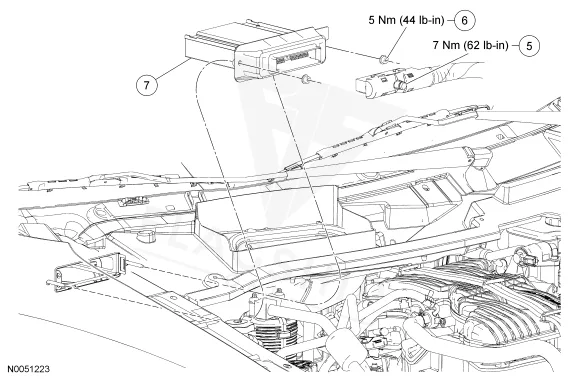
Work with the ignition off, and treat the module as static-sensitive: avoid touching the connector pins at any point.
| Operation | Configuration | Book Time |
|---|---|---|
| Engine Control Module Relearn | All configurations | 0.5 hr |
| Engine Control Module R&R | All configurations | 0.5 hr |
| Powertrain Control Module R&R | All configurations | 0.5 hr |
| Powertrain Control Module Relearn | All configurations | 0.5 hr |
After replacing the PCM in the 2004 Mercury Monterey, the factory procedure requires a relearn to synchronize the module with the vehicle’s security system and adapt to the engine and transmission. This relearn takes 0.5 hours of labor. However, Flagship One supplies a VIN-programmed PCM that arrives with the correct calibration already loaded. This means the relearn step is already completed, saving you time and ensuring the module is ready to install and drive. No additional programming is needed beyond basic installation and battery reconnection.
Common symptoms of a failing PCM in the 2004 Mercury Monterey include a no-start condition, intermittent stalling, rough idle, or transmission shifting problems. You may also see warning lights for the check engine, anti-lock brakes, or traction control. A scan tool may reveal trouble codes such as calibration failure C1991 related to module calibration. Other generic signs include dead communication with the scan tool, misfire codes without a clear cause, or erratic fuel and ignition system behavior. Addressing these symptoms promptly can prevent further damage to other components.
Factory service bulletin 04-12-05 applies to the 2004 Mercury Monterey. It addresses diagnostic trouble code C1991, which indicates a module calibration failure in the anti-lock brake, advanced trac, interactive vehicle dynamics (IVD), and traction control systems. The bulletin provides service tips for diagnosing and resolving this code, which may involve reprogramming or replacing the PCM. This TSB is relevant if your vehicle exhibits warning lights for those systems along with code C1991.
| Bulletin | Subject | What It Addresses |
|---|---|---|
| 04-12-05 | ANTI-LOCK BRAKE, ADVANCED TRAC, INTERACTIVE VEHICLE DYNAMICS (IVD), TRACTION CONTROL SYSTEM – D | — |
Common signs include a no-start condition, stalling, or transmission shifting problems. A scan tool may show trouble codes like C1991. If other causes have been ruled out, the PCM may be faulty.
Yes, the PCM is located in the engine compartment and replacement is straightforward. The factory book time is 0.5 hours for removal and installation. However, you will need a relearn procedure unless you use a pre-programmed unit.
The factory relearn takes 0.5 hours and typically involves a specific drive cycle or scan tool calibration. Flagship One PCMs come VIN-programmed, so no relearn is needed after installation.
When your 2004 Mercury Monterey needs a PCM replacement, you have two main options: have a shop repair the original module or install a refurbished replacement. A refurbished unit from Flagship One is pre-programmed with your VIN, eliminating the factory relearn step. This saves you the 0.5-hour labor cost and gets your vehicle back on the road faster. Consider the reliability and convenience of a ready-to-install PCM for your Mercury Monterey.
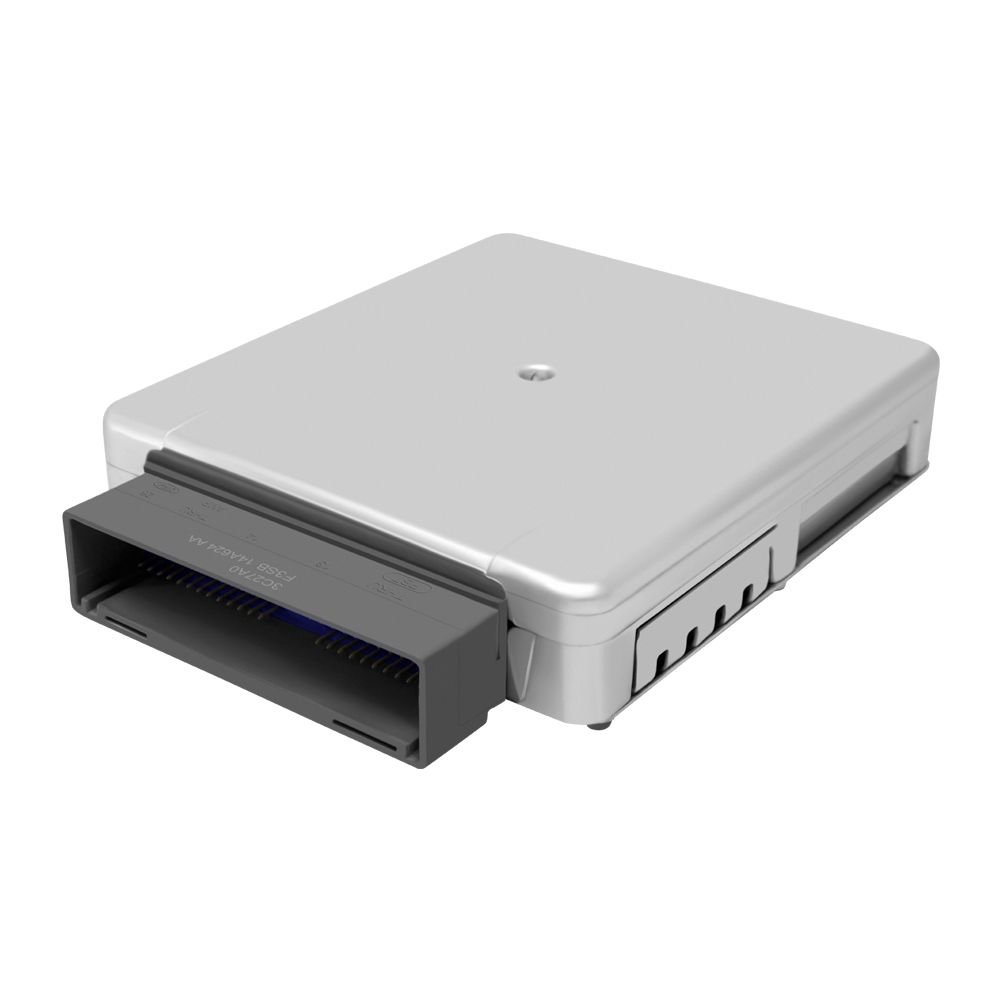
Flagship One stocks a refurbished, VIN-programmed PCM for the 2004 Mercury Monterey with a lifetime warranty, free shipping and no core charge. The full Mercury Monterey module lineup covers other engine configurations as well.
The PCM in your 2004 Mercury Monterey is a critical component that controls engine and transmission functions. When it fails, symptoms like no-start or code C1991 can appear. Replacement is straightforward with a 0.5-hour book time, and using a VIN-programmed unit from Flagship One removes the need for a separate relearn. For a dependable repair, consider a pre-programmed PCM for your Mercury Monterey.