
Last updated on August 25th, 2026 at 01:04 pm
The Powertrain Control Module (PCM) in your 1997 Mercury Mountaineer acts as the brain for engine and transmission functions. Failures may cause erratic performance, stored trouble codes, or complete no-start conditions.
If your 1997 Mercury Mountaineer has been hesitating at stoplights, refusing to start on cold mornings, or flashing that persistent check-engine light, the Powertrain Control Module (PCM) may be the culprit. This compact computer sits quietly behind the dashboard, orchestrating everything from fuel injection to transmission shifts. When it falters, your SUV’s behavior can become unpredictable—ranging from subtle drivability quirks to a complete refusal to run. Understanding what the PCM does, how to safely replace it, and what steps follow installation can save you time and frustration. Whether you’re diagnosing a no-start condition or preparing for a replacement, knowing the factory procedures and common failure signs will help you approach the repair with confidence. This guide covers the essentials: where the module lives, what symptoms suggest it’s failing, and how to ensure a smooth swap without unnecessary reprogramming hassles.
In your 1997 Mercury Mountaineer, the Powertrain Control Module (PCM) serves as the central command for the engine and transmission. It continuously monitors sensor inputs—like throttle position, oxygen levels, and engine speed—to adjust fuel delivery, ignition timing, and shift points in real time. This ensures optimal performance, fuel efficiency, and emissions compliance. Without a functioning PCM, your Mountaineer may struggle to start, run roughly, or even fail to shift gears properly. The module also stores diagnostic trouble codes (DTCs) when something goes wrong, which mechanics use to pinpoint issues. Over time, heat, vibration, or electrical surges can degrade the PCM’s internal components, leading to erratic behavior. If replacement becomes necessary, you’ll want replacement engine computers for the Mountaineer that are already programmed to your VIN to avoid additional reprogramming steps. The PCM’s role is critical: it doesn’t just keep the engine running—it ensures the entire powertrain operates as a cohesive unit.
1997 Mercury Mountaineer 5.0L: When Your
OEM programmed replacements — plug & play, no dealer visit.
Find yours by year, make & model →
Free shipping · Lifetime warranty
The Powertrain Control Module (PCM) in your 1997 Mercury Mountaineer is located inside the passenger compartment, typically mounted behind the dashboard on the right side near the firewall. Accessing it requires removing the lower dashboard panel or glove box, depending on the exact configuration. Factory labor estimates for PCM removal and replacement (R&R) are 0.4 hours, which includes disconnecting the electrical connectors and securing the new unit. Before beginning any work, the battery ground cable must be disconnected to prevent electrical shorts or damage to the module. Once the old PCM is removed, the new unit is installed in the same location, ensuring all connectors are securely fastened. The process is straightforward but requires care to avoid bending pins or damaging the wiring harness. After installation, the battery is reconnected, and a relearn procedure may be necessary to synchronize the PCM with the vehicle’s systems.
Work with the ignition off, and treat the module as static-sensitive: avoid touching the connector pins at any point.
| Operation | Configuration | Book Time |
|---|---|---|
| Engine Control Module Relearn | All configurations | 0.5 hr |
| Engine Control Module R&R | All configurations | 0.4 hr |
| Powertrain Control Module R&R | All configurations | 0.4 hr |
| Powertrain Control Module Relearn | All configurations | 0.5 hr |
After replacing the Powertrain Control Module (PCM) in your 1997 Mercury Mountaineer, the factory requires a relearn procedure to ensure the new module communicates correctly with the engine and transmission. This typically involves a 0.5-hour labor step to reset adaptive values and synchronize the PCM with the vehicle’s sensors. However, if you install a VIN-programmed replacement unit, these steps are already completed, saving you time and potential headaches. The pre-programmed unit arrives ready to plug in and drive, eliminating the need for on-vehicle reprogramming or additional software updates. This is particularly useful for older vehicles like the Mountaineer, where factory scan tools may be less accessible. Always follow the factory caution to disconnect the battery before working on the PCM to avoid electrical issues during installation.
When the Powertrain Control Module (PCM) in your 1997 Mercury Mountaineer begins to fail, you may notice a range of symptoms that can mimic other issues. Common signs include intermittent stalling, especially at idle or during deceleration, as the PCM struggles to maintain proper fuel and ignition timing. The engine may also hesitate or surge during acceleration, as if it’s receiving incorrect signals from the throttle position sensor. Another frequent symptom is the Malfunction Indicator Lamp (MIL) illuminating on the dashboard, often accompanied by stored trouble codes like slow response from the oxygen sensor. In some cases, the vehicle may fail to start altogether, as the PCM fails to send the correct signals to the fuel injectors or ignition system. Transmission shifting issues, such as harsh or delayed gear changes, can also indicate PCM problems, as the module controls shift points and torque converter lockup. If your scan tool fails to communicate with the PCM, that’s a strong sign the module itself is faulty. These symptoms often worsen over time, so addressing them promptly can prevent further drivability issues.
Ford issued several service bulletins addressing Powertrain Control Module (PCM) issues in the 1997 Mercury Mountaineer and related vehicles. TSB 97-09-08 outlines procedures for reprogramming the PCM to address drivability concerns, while TSB 99-04-03 focuses specifically on EEC V vehicles, providing steps for out-of-vehicle PCM reprogramming. Another bulletin, TSB 97-15-22, targets diagnostic trouble codes P0133 and P0153, which may trigger the Malfunction Indicator Lamp (MIL) in Mountaineers with the 5.0L engine. These bulletins highlight the importance of keeping the PCM software up to date and addressing stored codes promptly to avoid recurring issues.
| Bulletin | Subject | What It Addresses |
|---|---|---|
| 97-09-08 | POWERTRAIN CONTROL MODULE – REPROGRAM POWERTRAIN CONTROL MODULE (PCM) – SERVICE PROCEDURES – SE | — |
| 99-04-03 | EEC V VEHICLES ONLY – OUT-OF-VEHICLE – REPROGRAMMING POWERTRAIN CONTROL MODULES (PCMS) | — |
| 97-15-22 | DIAGNOSTIC TROUBLE CODES (DTCS) P0133 AND P0153 STORED IN MEMORY – EXPLORER WITH 4.0L OR 5.0L E | — |
Stalling at stoplights is a common symptom of a failing PCM in your Mountaineer. The module controls idle speed and fuel delivery, and if it’s not sending the correct signals, the engine may stall when coming to a stop. Other potential causes include a faulty idle air control valve or vacuum leaks, but if those check out, the PCM may be the culprit.
If your scan tool can’t communicate with the PCM, that’s a strong sign the module itself is faulty. If communication is possible but you’re seeing multiple unrelated codes (e.g., oxygen sensor and transmission codes), the PCM may be misinterpreting sensor data. A professional diagnosis can help isolate the issue.
Replacing the PCM is a straightforward job if you’re comfortable working with electrical components. The module is located behind the dashboard, and the factory labor estimate is under an hour. However, if you’re unsure about disconnecting the battery or handling the wiring harness, a shop can complete the job quickly.
Failing to disconnect the battery before working on the PCM can result in electrical shorts or damage to the module. The factory explicitly warns against this, as it can also cause issues with other vehicle systems. Always disconnect the battery ground cable before starting any work.
Code P0133 indicates a slow response from the upstream oxygen sensor, which can trigger the Malfunction Indicator Lamp (MIL). While the issue may stem from a faulty sensor, the PCM could also be misinterpreting the sensor’s signals. TSB 97-15-22 addresses this code in your vehicle, so checking for updates or reprogramming the PCM may resolve the issue.
If your 1997 Mercury Mountaineer is showing signs of PCM failure, you have options. A repair shop can diagnose and replace the module, but labor costs for reprogramming can add up. Alternatively, a pre-programmed replacement unit ensures the new PCM is ready to install without additional steps, saving time and hassle. For older vehicles like the Mountaineer, where factory scan tools may be less accessible, this can be a practical solution. Whether you choose a new or refurbished unit, addressing PCM issues promptly will restore your SUV’s performance and reliability.
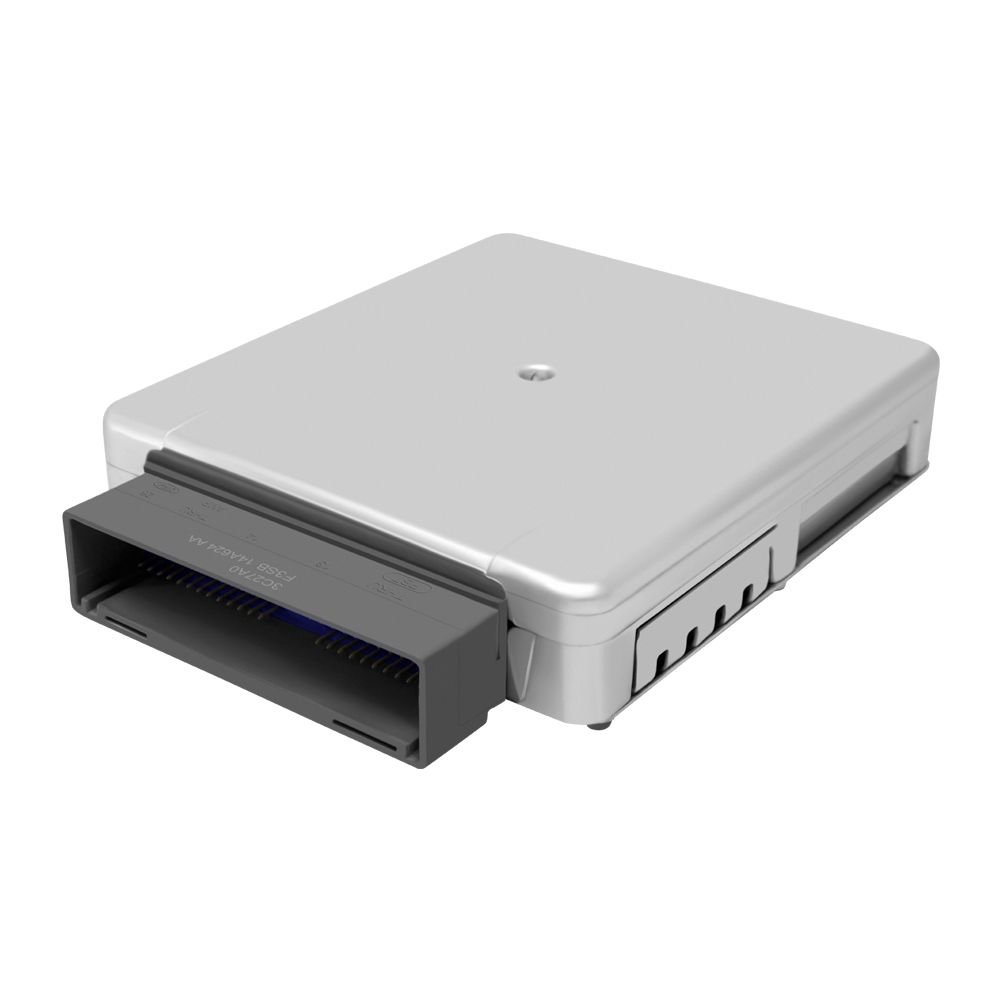
Flagship One stocks a refurbished, VIN-programmed PCM for the 1997 Mercury Mountaineer with a lifetime warranty, free shipping and no core charge. The full Mercury Mountaineer module lineup covers other engine configurations as well.
The Powertrain Control Module in your 1997 Mercury Mountaineer plays a critical role in keeping your SUV running smoothly. From managing fuel delivery to ensuring proper transmission shifts, its functions are essential for drivability. If you’re experiencing stalling, no-start conditions, or persistent check engine lights, the PCM may be the root cause. Replacing it is a manageable task, especially with a VIN-programmed unit that eliminates the need for additional reprogramming. By addressing PCM issues early and following factory precautions, you can keep your Mountaineer on the road for years to come.