
Last updated on August 25th, 2026 at 01:23 pm
The powertrain control module (PCM) or engine control module (ECM) in your 2003 Hyundai XG350 acts as the vehicle’s brain, managing fuel delivery, ignition timing, and emissions. Failure may lead to erratic engine behavior, poor performance, or a no-start condition.
If your 2003 Hyundai XG350 is experiencing unexplained stalling, rough idling, or a failure to start, the powertrain control module (PCM) or engine control module (ECM) may be at fault. This small but critical component governs everything from fuel injection to ignition timing, ensuring your engine runs smoothly. When it fails, the symptoms can range from subtle performance issues to complete immobilization. Understanding what this module does, where it’s located, and what replacement involves can help you make informed decisions about repairs. You’ll also learn why factory procedures require a relearn process—and how choosing a pre-programmed replacement can simplify the job. Whether you’re diagnosing a persistent check engine light or preparing for a module swap, this guide covers the essentials for your XG350.
The powertrain control module (PCM) in your 2003 Hyundai XG350 serves as the central computer for both the engine and transmission, coordinating fuel delivery, ignition timing, and emissions systems. Unlike older vehicles with separate engine and transmission controllers, the XG350 integrates these functions into a single unit, which streamlines communication but also means a failure can disrupt multiple systems. The module constantly monitors sensor inputs—like throttle position, oxygen levels, and crankshaft speed—to adjust performance in real time. When it malfunctions, you may notice poor fuel economy, erratic shifting, or even a complete loss of engine control. Because the PCM also manages onboard diagnostics, a failing unit often triggers trouble codes that can help pinpoint the issue. If replacement becomes necessary, replacement engine computers for the XG350 are designed to restore factory-level functionality, but proper installation and programming are critical to avoid further complications.
2003 Hyundai XG350
OEM programmed replacements — plug & play, no dealer visit.
Find yours by year, make & model →
Free shipping · Lifetime warranty
In the 2003 Hyundai XG350, the PCM/ECM is located in the engine bay, typically mounted near the firewall or on the passenger side inner fender. Accessing it involves removing a protective cover or air intake components, depending on the vehicle’s configuration. Replacement is straightforward but requires care to avoid damaging connectors or wiring. According to factory labor estimates, removing and reinstalling the module takes approximately 1.0 hours. This includes disconnecting the battery, unplugging the wiring harness, and securing the new unit with the original fasteners. No specialized tools are required beyond basic hand tools, though a torque wrench may be recommended to ensure proper connector tightness. Once installed, the module must be programmed to recognize your vehicle’s VIN and sensor calibrations, a step that adds another 0.5 hours of labor if performed at a dealership.
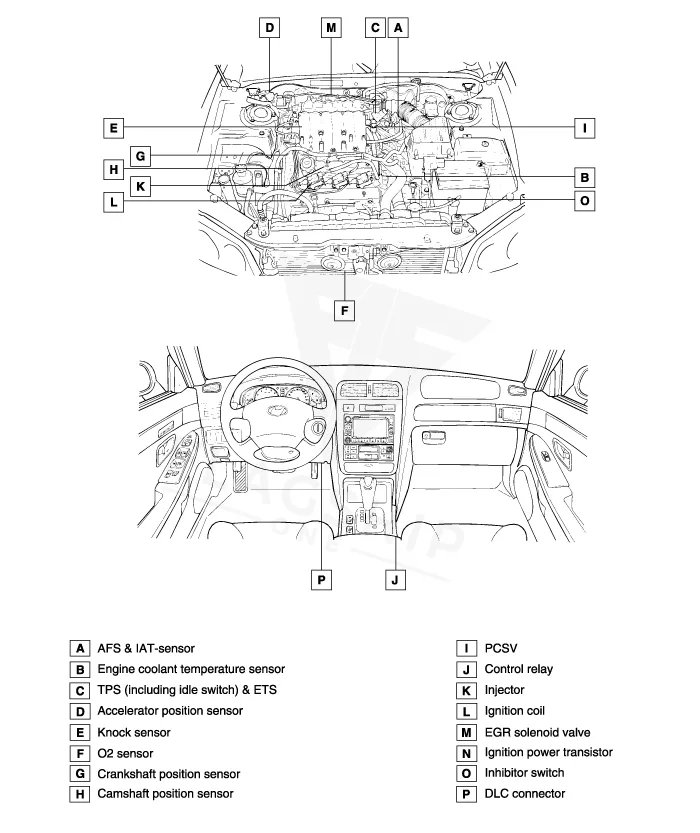
Work with the ignition off, and treat the module as static-sensitive: avoid touching the connector pins at any point.
| Operation | Configuration | Book Time |
|---|---|---|
| Powertrain Control Module R&R | All configurations | 1.0 hr |
| Powertrain Control Module Relearn | All configurations | 0.5 hr |
| Engine Control Module R&R | All configurations | 1.0 hr |
| Engine Control Module Relearn | All configurations | 0.5 hr |
After replacing the PCM/ECM in your 2003 Hyundai XG350, the factory procedure requires a relearn process to synchronize the new module with the vehicle’s sensors and transmission. This typically involves using a scan tool to write the VIN to the module and recalibrate idle settings, which can add 0.5 hours of labor if done by a professional. However, a VIN-programmed replacement unit from Flagship One arrives pre-configured with your vehicle’s specific data, eliminating the need for this step. This not only saves time but also reduces the risk of programming errors that could lead to further issues. While some aftermarket modules may require additional software updates or dealer visits, Flagship One’s units are designed to plug in and start immediately, provided the installation is performed correctly.
A failing PCM/ECM in your 2003 Hyundai XG350 can manifest in several ways, often mimicking other mechanical or electrical problems. One of the most common signs is a no-start condition, where the engine cranks but refuses to fire, often due to incorrect fuel or spark timing signals. You may also experience intermittent stalling, particularly at idle or during deceleration, as the module struggles to maintain stable engine control. Misfires are another frequent symptom, sometimes accompanied by a flashing check engine light, which indicates a severe issue that could damage the catalytic converter if ignored. Poor acceleration, rough shifting, or even transmission slippage may occur if the module’s communication with the transmission control system is disrupted. In some cases, the vehicle may enter a “limp mode,” limiting speed and power to prevent further damage. Scan tool communication failures are also common, where the tool either cannot connect to the PCM or retrieves incomplete data. If the module’s internal memory is corrupted, you might see a control module memory checksum error, which confirms the need for replacement rather than a simple sensor swap.
Hyundai issued several service bulletins addressing PCM/ECM replacement and programming for the 2003 XG350. Bulletin #03-36-010 outlines procedures for PCM changes, including steps to ensure proper installation and calibration. A later bulletin, #04-36-019, details VIN-writing requirements during control module replacement for 2005 model-year vehicles, which may also apply to earlier XG350 models due to shared hardware. These bulletins emphasize the importance of following factory programming steps to avoid drivability issues or communication errors after installation.
| Bulletin | Subject | What It Addresses |
|---|---|---|
| 04-36-019 | Fuel System (19) > 04-36-019 2005MY ECM AND PCM VIN WRITING DURING CONTROL MODULE REPLACEMENT | — |
| 03-36-010 | Engine Electrical System (11) > 03-36-010 2003 XG350 PCM Change | — |
Random stalling after a PCM replacement often indicates an incomplete relearn procedure. The module needs to recalibrate with the vehicle’s sensors, including the idle air control and throttle position. If the relearn isn’t performed, the engine may struggle to maintain stable idle or fuel delivery. A scan tool can help complete this process, or a pre-programmed unit can eliminate the need for it.
Replacing the PCM is a straightforward job if you’re comfortable working with electrical components. The module is typically located in the engine bay, and removal involves unplugging the wiring harness and securing the new unit. However, programming the module to your vehicle’s VIN requires a scan tool or dealership visit unless you use a pre-programmed replacement.
In the XG350, the terms PCM (powertrain control module) and ECM (engine control module) are often used interchangeably because the vehicle uses a single module to control both engine and transmission functions. Unlike some vehicles with separate units, the XG350’s PCM handles fuel injection, ignition timing, and transmission shifting, making it a critical component for overall drivability.
A P0601 code, which indicates a control module memory checksum error, typically means the new PCM wasn’t properly programmed or initialized. This can happen if the VIN wasn’t written to the module or if the relearn procedure wasn’t completed. Using a pre-programmed replacement unit avoids this issue, as it arrives ready to plug in and start.
A bad PCM often causes multiple symptoms at once, such as stalling, misfires, and communication errors with a scan tool. If you’re seeing a variety of unrelated codes—especially those tied to the module itself—it’s more likely the PCM is at fault. Sensors, on the other hand, typically cause specific, isolated issues, like a single misfire code or a lean fuel mixture reading.
If your 2003 Hyundai XG350 is showing signs of PCM failure, you have a few options for repair. A dealership can replace and reprogram the module, though this may involve higher labor costs and potential wait times. Alternatively, a refurbished or new replacement unit can restore functionality without the hassle of programming. For a streamlined solution, a VIN-programmed replacement from Flagship One ensures the module arrives ready to install, saving you time and reducing the risk of post-installation issues.
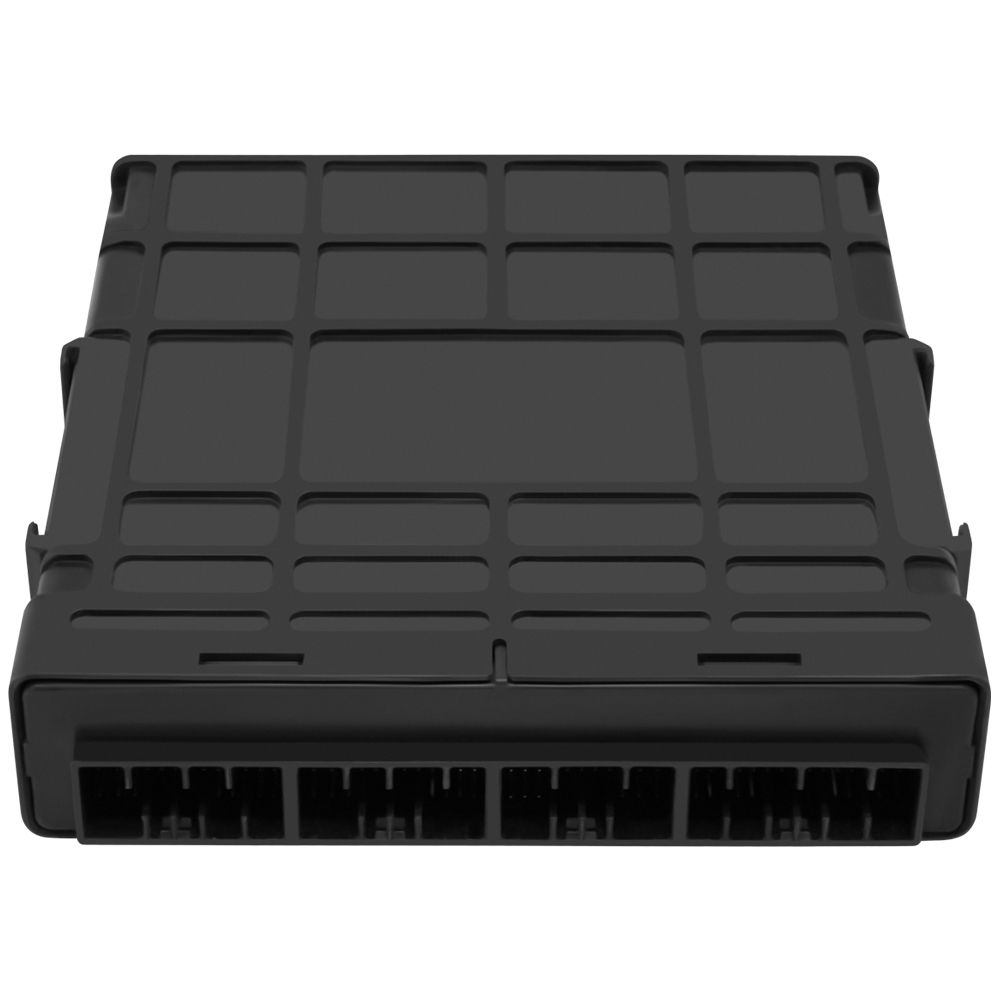
Flagship One stocks a refurbished, VIN-programmed PCM for the 2003 Hyundai XG Series with a lifetime warranty, free shipping and no core charge. The full Hyundai XG Series module lineup covers other engine configurations as well.
The PCM/ECM in your 2003 Hyundai XG350 plays a vital role in keeping your engine running smoothly, and its failure can lead to frustrating drivability issues. Whether you’re dealing with a no-start condition, stalling, or persistent trouble codes, understanding the replacement process—and the importance of proper programming—can help you make the right repair decision. With the right tools and a pre-programmed unit, you can restore your XG350’s performance and get back on the road with confidence.