
Last updated on August 25th, 2026 at 01:13 pm
The Powertrain Control Module (PCM) or Engine Control Module (ECM) in your 2002 Hyundai XG Series 3.5L is the central computer that manages fuel injection, ignition timing, and emissions. When it fails, the engine may not start, run poorly, or trigger warning lights.
If your 2002 Hyundai XG Series 3.5L is experiencing intermittent stalling, hard starting, or a check engine light that won’t clear, the Powertrain Control Module (PCM) or Engine Control Module (ECM) may be at fault. This computer is the brain of your engine and transmission management system. Understanding what it does, where it is, and how to replace it can save you time and money. This guide covers the symptoms of a failing module, the replacement procedure with book labor times, and the post-installation relearn process. You will also learn how a pre-programmed replacement unit from Flagship One eliminates the need for that relearn step, getting your vehicle back on the road faster. Whether you are a DIY owner or a professional technician, the information here is based on factory specifications for the 2002 Hyundai XG Series 3.5L.
2002 Hyundai XG Series 3.5L
OEM programmed ECM for your 2002 Hyundai XG Series 3.5L — plug & play, no dealer visit.
Free shipping · Lifetime warranty
The Powertrain Control Module (PCM) in your 2002 Hyundai XG Series 3.5L is a single computer that integrates engine and transmission control. It receives input from sensors like the crankshaft position sensor, throttle position sensor, and oxygen sensors, then adjusts fuel delivery, ignition timing, and shift points accordingly. This module also monitors emissions systems and stores diagnostic trouble codes (DTCs) when a fault is detected. A failing PCM can cause a cascade of drivability issues because it is the central decision-maker for the powertrain. When you need a replacement, you are looking for Hyundai XG350 replacement ECMs that match your vehicle’s original specifications. The module is critical for proper operation; without it, the engine will not run. Even a partially failed unit can lead to erratic behavior such as surging, poor fuel economy, or transmission shifting problems. Because the PCM is vehicle-specific, using the correct part is essential for reliable performance.
The PCM/ECM on the 2002 Hyundai XG Series 3.5L is typically mounted in the engine compartment, often on the driver side near the firewall. Replacement begins by disconnecting the negative battery cable and waiting a few minutes for capacitors to discharge. Then, unbolt the module, disconnect the wiring harness connectors, and remove the unit. Installation is the reverse: connect the harness, secure the module, and reconnect the battery. The book labor time for Powertrain Control Module R&R is 1.0 hour. After installation, a Powertrain Control Module Relearn procedure is required, which adds 0.5 hour of labor. This relearn allows the module to adapt to the vehicle’s specific sensor inputs and driving characteristics. No special torque values are provided in the factory data for the mounting bolts, but standard hand-tightening is sufficient.
Work with the ignition off, and treat the module as static-sensitive: avoid touching the connector pins at any point.
| Operation | Configuration | Book Time |
|---|---|---|
| Powertrain Control Module R&R | All configurations | 1.0 hr |
| Powertrain Control Module Relearn | All configurations | 0.5 hr |
| Engine Control Module R&R | All configurations | 1.0 hr |
| Engine Control Module Relearn | All configurations | 0.5 hr |
After installing a new PCM/ECM in your 2002 Hyundai XG Series 3.5L, the factory procedure requires a Powertrain Control Module Relearn that takes 0.5 hours. This step involves using a scan tool to reset adaptive values and then performing a specific drive cycle so the module learns idle, fuel trim, and transmission shift patterns. However, when you purchase a VIN-programmed replacement unit from Flagship One, that relearn is already completed. The module arrives with your vehicle’s VIN and calibration data pre-loaded, so you can install it and start the engine without additional programming. This saves the 0.5-hour labor charge and eliminates the need for a dealer visit or specialized scan tool. Simply install the unit, reconnect the battery, and verify operation.
Common failure symptoms of the PCM/ECM in a 2002 Hyundai XG Series 3.5L include a no-start condition where the engine cranks but does not fire, intermittent stalling that occurs without warning, and misfire codes that persist even after replacing spark plugs and coils. You may also experience a loss of communication with a scan tool, where the tool cannot connect to the module. Transmission shifting issues, such as harsh or delayed shifts, can also point to a failing PCM since it controls shift solenoids. Another sign is the check engine light illuminating with a code like PCM internal fault that indicates an internal memory error. If you notice multiple unrelated symptoms appearing together, the PCM is a likely suspect. These issues often worsen over time and can leave you stranded.
Common signs include a no-start condition, stalling, misfire codes that won’t clear, and loss of scan tool communication. If multiple symptoms appear together, the PCM is likely faulty.
Yes, if you have basic mechanical skills. The module is accessible in the engine bay. Disconnect the battery, unbolt the unit, and swap it. The book labor time is 1.0 hour for R&R.
Factory procedure requires a 0.5-hour relearn after installation. However, a VIN-programmed unit from Flagship One arrives ready to install with no additional programming needed.
In this vehicle, the terms are used interchangeably. The Powertrain Control Module (PCM) controls both engine and transmission, while ECM is an older term for the same unit.
Yes, because the PCM controls shift solenoids and transmission line pressure. A failing module can cause harsh shifts, delayed engagement, or no shifting at all.
When your 2002 Hyundai XG Series 3.5L needs a new PCM/ECM, you have two options: have a shop install a blank unit and perform the relearn, or choose a refurbished replacement that is pre-programmed to your VIN. The latter saves the 0.5-hour relearn labor and ensures the module is ready to run immediately. Flagship One offers such units for this model.
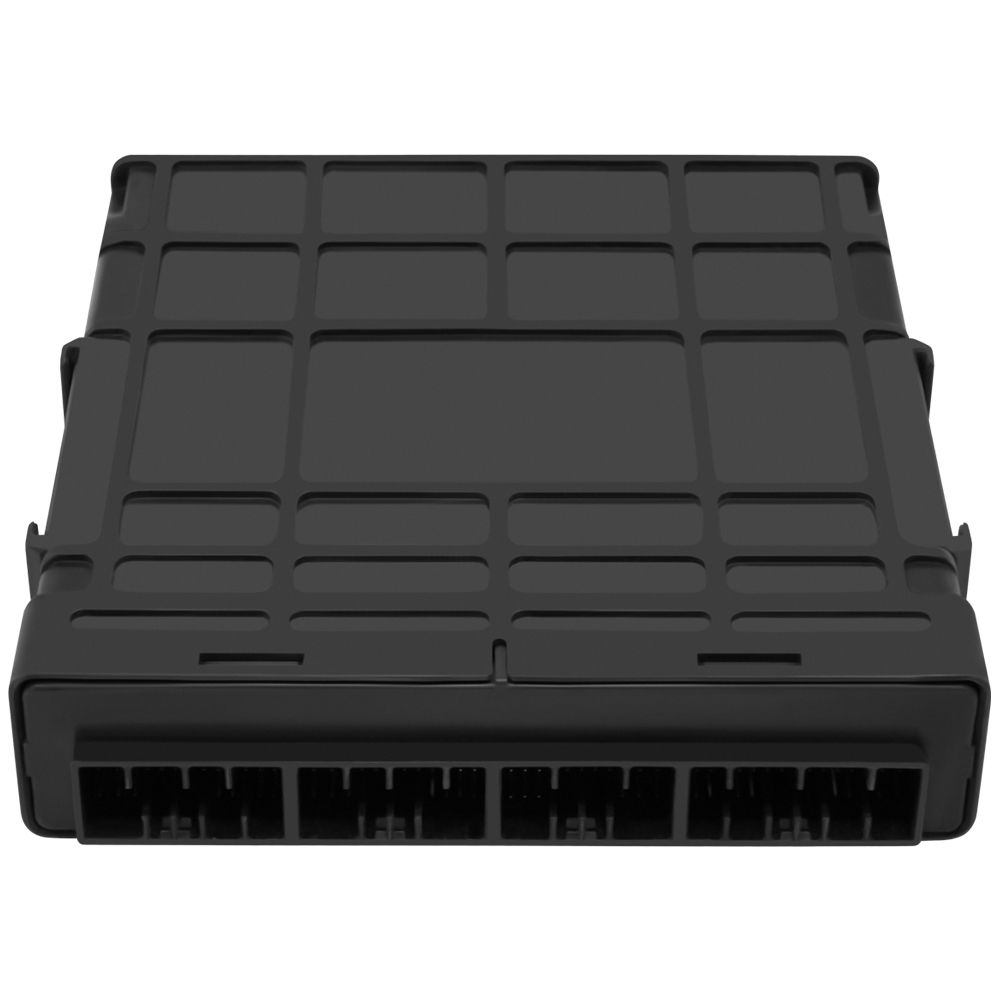
Flagship One stocks a refurbished, VIN-programmed PCM for the 2002 Hyundai XG Series with a lifetime warranty, free shipping and no core charge. The full Hyundai XG Series module lineup covers other engine configurations as well.
The PCM/ECM is a vital component in your 2002 Hyundai XG Series 3.5L. Recognizing failure symptoms early and understanding the replacement process can prevent extended downtime. With a VIN-programmed replacement, you avoid the factory relearn step and get back on the road quickly. Consider a refurbished unit for a cost-effective, reliable fix.