
Last updated on August 25th, 2026 at 01:23 pm
The powertrain control module (PCM) or engine control module (ECM) in your 2004 Hyundai XG350 manages fuel delivery, ignition timing, and emissions systems. Failures may cause erratic engine behavior, poor performance, or a no-start condition due to corrupted data or electrical faults.
If your 2004 Hyundai XG350 is experiencing unexplained stalling, rough idling, or a no-start condition, the powertrain control module (PCM) or engine control module (ECM) may be the culprit. These modules act as the brain of your vehicle’s engine and transmission, managing critical functions like fuel injection, ignition timing, and emissions control. When they fail, symptoms can range from subtle performance issues to complete engine shutdown. Replacing the module is only part of the process; proper programming and relearning are essential to restore full functionality. Understanding the steps involved—from locating the module to completing the relearn procedure—can help you make informed decisions about repairs. Whether you’re a DIY enthusiast or relying on a professional mechanic, knowing what to expect ensures your XG350 runs smoothly after the replacement. This guide covers the module’s role, common failure symptoms, and the exact labor times required for replacement and programming, so you can approach the task with confidence.
In your 2004 Hyundai XG350, the powertrain control module (PCM) or engine control module (ECM) is a single unit responsible for managing the engine’s performance and, in some cases, the transmission’s shifting behavior. This module processes data from sensors throughout the vehicle, adjusting fuel delivery, ignition timing, and emissions systems in real time to optimize efficiency and power. Without a properly functioning PCM/ECM, your XG350 may struggle to start, run erratically, or even enter a fail-safe mode that limits performance. The module also plays a role in diagnostic functions, storing trouble codes when issues arise, which can help pinpoint problems during repairs. When replacement becomes necessary, choosing replacement engine computers for the XG350 ensures compatibility and avoids the hassle of manual programming. Given its central role, a failing PCM/ECM can lead to a cascade of symptoms, from poor fuel economy to transmission shifting issues, making timely replacement critical for maintaining your vehicle’s reliability.
2004 Hyundai XG350
OEM programmed replacements — plug & play, no dealer visit.
Find yours by year, make & model →
Free shipping · Lifetime warranty
The PCM/ECM in your 2004 Hyundai XG350 is typically located in the engine bay, mounted near the firewall or on the passenger side of the vehicle. Accessing it involves removing a protective cover or panel, which may require disconnecting the battery to prevent electrical shorts. Once exposed, the module is secured with bolts or screws, and the wiring harness connectors must be carefully disconnected to avoid damaging the pins. Reinstallation follows the reverse process, ensuring all connectors are properly seated and the module is securely fastened. Labor time for removal and replacement is estimated at 1.0 hours, according to factory guidelines. While the physical replacement is straightforward, proper torque specifications for the mounting hardware should be followed to prevent vibration or moisture intrusion, which could lead to future issues.
Work with the ignition off, and treat the module as static-sensitive: avoid touching the connector pins at any point.
| Operation | Configuration | Book Time |
|---|---|---|
| Powertrain Control Module R&R | All configurations | 1.0 hr |
| Powertrain Control Module Relearn | All configurations | 0.5 hr |
| Engine Control Module R&R | All configurations | 1.0 hr |
| Engine Control Module Relearn | All configurations | 0.5 hr |
After replacing the PCM/ECM in your 2004 Hyundai XG350, the factory procedure requires a relearn process to synchronize the module with the vehicle’s systems. This typically involves a 0.5-hour labor step to ensure the module recognizes the engine’s sensors, transmission, and emissions components. Additionally, Hyundai service bulletins specify that the vehicle identification number (VIN) must be written to the new module to match it to your XG350’s specific configuration. This step is critical for proper operation, as an unprogrammed module may cause drivability issues or trigger warning lights. However, opting for a VIN-programmed replacement unit eliminates the need for this step, as the module arrives pre-configured for your vehicle. This not only saves time but also reduces the risk of errors during the programming process, ensuring your XG350 operates as intended from the moment the new module is installed.
A failing PCM/ECM in your 2004 Hyundai XG350 may exhibit a range of symptoms, often starting subtly before becoming more pronounced. One of the most common signs is a no-start condition, where the engine cranks but fails to fire, often due to incorrect fuel or ignition timing signals. You may also experience intermittent stalling, particularly at idle or during deceleration, as the module struggles to maintain stable engine operation. Misfires or rough running can occur if the PCM/ECM fails to properly adjust fuel delivery or spark timing, leading to poor acceleration or hesitation under load. Another telltale sign is the illumination of the check engine light, which may accompany trouble codes like internal control module memory check sum error. In some cases, the vehicle may enter a fail-safe mode, limiting engine power or locking the transmission into a single gear to prevent further damage. Communication issues with a scan tool can also arise, making diagnostics difficult. If you notice any of these symptoms, addressing the PCM/ECM promptly can prevent more severe drivability issues and restore your XG350’s performance.
Hyundai has issued service bulletins addressing PCM/ECM replacement procedures for the 2004 XG350. Bulletin #04-36-019 outlines the VIN writing process required during control module replacement, ensuring the new unit matches your vehicle’s specific configuration. This step is critical for proper operation, as an unprogrammed module may cause drivability issues or trigger warning lights. Additionally, bulletin #15-GI-001 details the ECU update procedure using Hyundai’s tablet-based GDS Mobile tool, which may be necessary to ensure the module’s software is up to date. Following these bulletins can help avoid common pitfalls during replacement and ensure your XG350 runs smoothly after the repair.
| Bulletin | Subject | What It Addresses |
|---|---|---|
| 04-36-019 | TSB • Fuel System • [04-36-019] 2005MY ECM AND PCM VIN WRITING DURING CONTROL MODULE REPLACEMEN | — |
| — | TSB • General Information • [15-GI-001] ECU UPDATE PROCEDURE FOR TABLET-BASED GDS MOBILE | — |
Intermittent stalling in your XG350 may be linked to a failing PCM/ECM, particularly if the module struggles to maintain stable engine operation. The PCM/ECM controls fuel delivery and ignition timing, and if it sends incorrect signals, the engine may stall, especially at idle or during deceleration. Other symptoms like rough running or misfires often accompany this issue, and a scan tool can help confirm if the module is the root cause.
Replacing the PCM/ECM without reprogramming it may result in drivability issues, such as poor engine performance, stalling, or even a no-start condition. The module must be synchronized with your vehicle’s sensors and systems, and Hyundai’s service bulletins specify that the VIN must be written to the new unit. Without this step, the module may not recognize the engine or transmission, leading to erratic behavior or warning lights on the dashboard.
Diagnosing a failing PCM/ECM in your XG350 involves checking for common symptoms like stalling, misfires, or a no-start condition, along with retrieving trouble codes. If the module is generating internal fault codes (e.g., P0601), it’s likely the culprit. However, other issues like faulty sensors, wiring problems, or fuel system failures can mimic PCM/ECM symptoms. A professional scan tool can help isolate the issue by checking for communication errors or sensor data inconsistencies.
Driving your XG350 with a failing PCM/ECM may lead to further damage, particularly if the module is causing misfires or incorrect fuel delivery. These issues can strain the engine, catalytic converter, or transmission over time. Additionally, a failing module may trigger a fail-safe mode, limiting engine power or locking the transmission into a single gear. If you suspect the PCM/ECM is failing, it’s best to address the issue promptly to avoid more costly repairs.
Replacing the PCM/ECM in your XG350 requires basic hand tools, such as a socket set and screwdrivers, to remove the protective cover and disconnect the wiring harness. A torque wrench may be needed to ensure the module is securely fastened without over-tightening. After installation, a scan tool capable of performing the relearn procedure is necessary to synchronize the new module with your vehicle’s systems. If the module is not pre-programmed, additional tools like Hyundai’s GDS Mobile may be required to write the VIN and update the software.
If your 2004 Hyundai XG350 is exhibiting symptoms of a failing PCM/ECM, you have options for replacement. A new or refurbished module can restore your vehicle’s performance, but the choice depends on your budget and needs. A refurbished unit, particularly one that arrives pre-programmed with your VIN, can save time and avoid the hassle of manual programming. This ensures your XG350 is back on the road quickly, with minimal downtime. Whether you opt for a DIY approach or professional installation, understanding the steps involved helps you make an informed decision.
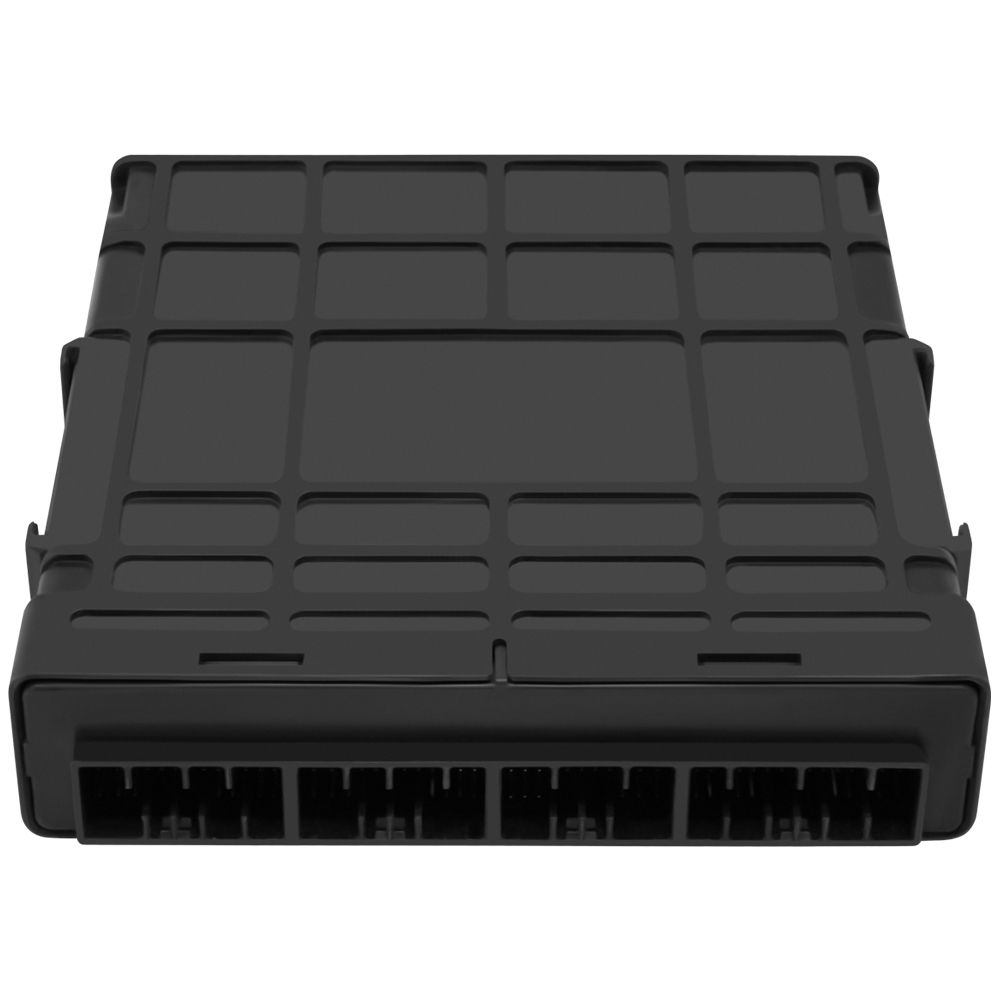
Flagship One stocks a refurbished, VIN-programmed PCM for the 2004 Hyundai XG Series with a lifetime warranty, free shipping and no core charge. The full Hyundai XG Series module lineup covers other engine configurations as well.
Replacing the PCM/ECM in your 2004 Hyundai XG350 is a critical repair if you’re experiencing stalling, misfires, or a no-start condition. While the physical replacement is straightforward, proper programming and relearning are essential to ensure your vehicle runs smoothly. By following factory procedures and opting for a pre-programmed unit, you can avoid common pitfalls and restore your XG350’s reliability. Whether you tackle the job yourself or rely on a professional, addressing PCM/ECM issues promptly will keep your vehicle performing at its best.