
Last updated on August 25th, 2026 at 01:29 pm
The powertrain control module in your 1998 GMC Safari is the central computer managing engine and transmission functions. Internal memory faults in this unit commonly trigger specific trouble codes and may cause drivability problems.
When your 1998 GMC Safari develops drivability problems and a scan tool shows multiple module-internal trouble codes, the powertrain control module itself may be the root cause. This guide explains what that module does, where it lives, what replacement involves, and why a pre-programmed replacement from Flagship One simplifies your repair. Understanding the factory procedures and known failure patterns helps you make an informed decision about repair versus replacement for your specific situation.
The powertrain control module in your 1998 GMC Safari serves as the brain for the 4.3L Vortec engine and automatic transmission. It processes input from dozens of sensors to calculate fuel delivery, spark advance, transmission shift points, and emissions control system operation. When this module suffers internal damage from voltage spikes, heat cycling, or age-related component degradation, it may lose the ability to store calibration data or communicate with diagnostic equipment. You might experience a check engine light, poor performance, or complete failure to start. replacement engine computers for the Safari are designed to restore factory-level control when the original unit fails. The module continuously monitors its own memory integrity, which is why internal faults often generate multiple related trouble codes at once.
The powertrain control module on the 1998 GMC Safari is located behind the passenger-side kick panel, requiring interior trim removal for access. The replacement procedure involves disconnecting the battery, removing the existing module, transferring any physically-mounted components to the new unit, and reconnecting all electrical harnesses. Factory labor guides allocate 1.0 hours for powertrain control module removal and installation. After installation, the module must be initialized using approved diagnostic equipment. Your vehicle may also require relearn procedures for the engine control module function, which adds additional time to the overall procedure. Working in an ESD-safe environment protects both you and the new module during handling.
| Operation | Configuration | Book Time |
|---|---|---|
| Powertrain Control Module R&R | All configurations | 1.0 hr |
| Engine Control Module Reset | All configurations | 0.3 hr |
| Engine Control Module R&R | All configurations | 1.0 hr |
1998 GMC Safari
OEM programmed ECM for your 1998 GMC Safari — plug & play, no dealer visit.
Free shipping · Lifetime warranty
After installing a replacement powertrain control module, the factory procedure requires initialization and relearn steps using GM-approved diagnostic equipment. This process programs vehicle-specific data into the module and allows the 1998 GMC Safari to recognize the new unit. Labor operation documentation addresses these post-installation programming requirements. Flagship One sends you a VIN-programmed replacement unit that arrives ready to install, eliminating the need to source programming equipment or schedule dealer service for initial module configuration. You still perform any required idle relearn and transmission adaptives reset after installation.
Powertrain control module failures in the 1998 GMC Safari typically announce themselves through multiple simultaneous trouble codes rather than a single isolated fault. You may encounter a no-start condition where the engine cranks but refuses to fire, or the vehicle might stall unexpectedly at idle. Misfire codes and transmission shifting complaints often accompany module-internal faults. A dead or intermittent scan tool data connection suggests the module cannot maintain processor function. The check engine light may illuminate constantly or cycle on and off depending on ambient temperature or vibration. internal memory fault and related codes indicate the module has detected corruption in its permanent memory storage, a common failure mode for aged units in this generation of GM vehicles.
The 1998 GMC Safari with a failing powertrain control module commonly sets several module-internal trouble codes. These codes indicate various types of internal failures including memory corruption, checksum errors, and processor communication problems within the module itself.
| Code | Meaning | Full Guide |
|---|---|---|
| P0601 | Internal memory checksum error | Full P0601 guide → |
| P0602 | Control module programming error | Full P0602 guide → |
| P0603 | Keep-alive memory (KAM) error | Full P0603 guide → |
| P0604 | Internal RAM error | Full P0604 guide → |
| P0605 | Internal ROM error | Full P0605 guide → |
| P1621 | Control module long-term memory performance | Full P1621 guide → |
| P1626 | Module-internal fault | — |
| P1631 | Module-internal fault | — |
Factory service documentation addresses powertrain control module service for this vehicle. Bulletin 99-06-04-053 covers reprogramming procedures for the module. A separate bulletin, 83-81-32, introduced new connector service kits specifically designed for module harness connections. Administrative bulletin 02-06-04-057E established standardized labor operation assignments across all control module reprogramming procedures. These bulletins document GM’s recognition of programming requirements and the need for proper connector maintenance when servicing these modules.
| Bulletin | Subject | What It Addresses |
|---|---|---|
| 99-06-04-053 | Info – PCM Reprogramming – (Oct 26, 1999) | — |
| 83-81-32 | INFO – NEW PCM CONNECTOR SERVICE KITS – (Sep 16, 1998) | — |
| 02-06-04-057 | Warranty Admin. – Labor Operation Assignments for All Control Module Reprogramming – (Mar 2, 20 | — |
The factory cautions against touching the internal circuit board components due to electrostatic discharge risk and the precision required for surface-mount soldering work. Professional repair shops with ESD-controlled environments may offer rebuild services, but a pre-programmed replacement typically provides more reliable long-term results for most vehicle owners.
The powertrain control module runs self-diagnostic checks on its own memory and processor functions. When internal degradation reaches a threshold, the module typically sets several related codes indicating different aspects of the same underlying failure, which explains why P0601 through P0605 codes often appear together.
If you install a unit from Flagship One that arrives VIN-programmed to your specific vehicle, the initial programming step is already complete. You will still need to perform any required idle relearn and transmission adaptation reset procedures, which are within the capability of most professional repair shops.
Your 1998 GMC Safari powertrain control module may be repaired by specialized electronics shops, but results vary based on the underlying failure type and technician expertise. A remanufactured or new replacement module from Flagship One arrives ready to install, giving you a known-good unit with fresh components rather than gambling on whether a repair will hold. Consider the age of your vehicle and your confidence in the repair source when deciding between these options for your specific situation.
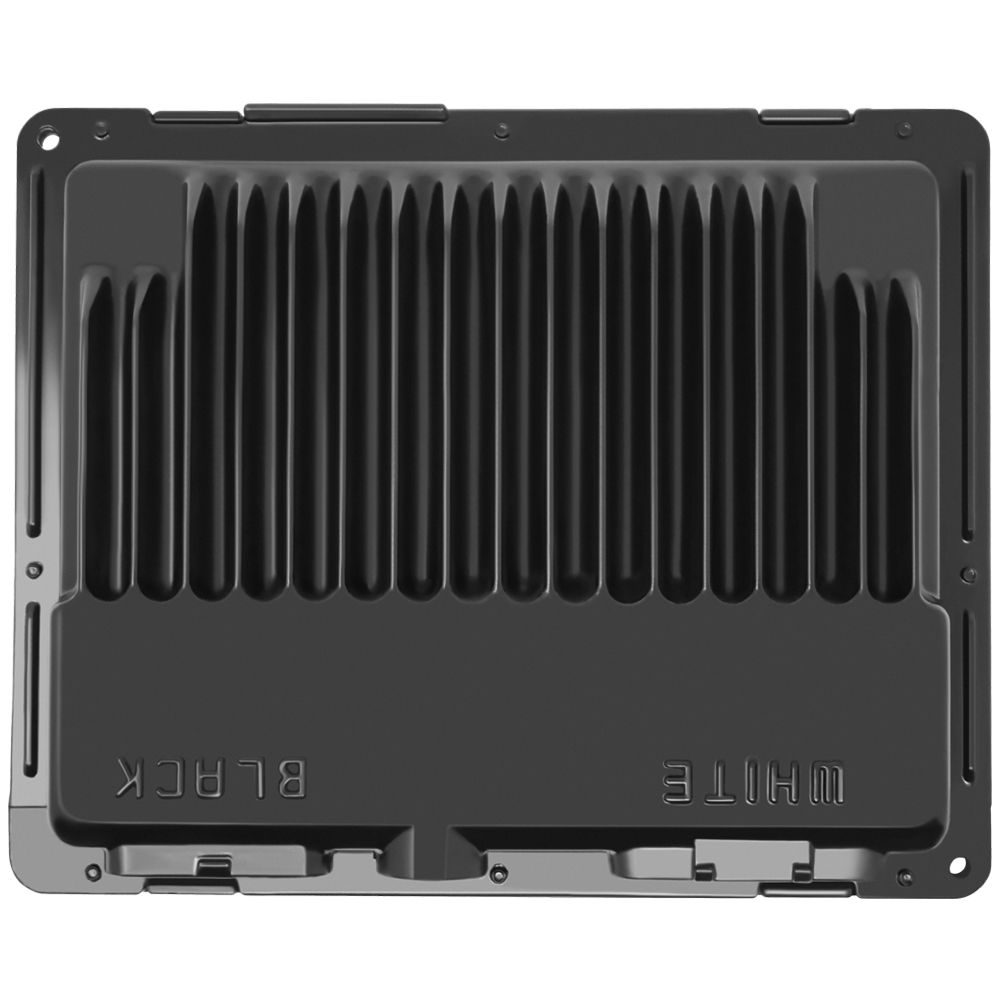
Flagship One stocks a refurbished, VIN-programmed PCM for the 1998 GMC Safari with a lifetime warranty, free shipping and no core charge. The full GMC Safari module lineup covers other engine configurations as well.
The 1998 GMC Safari powertrain control module is a common failure point in these vehicles, and multiple trouble codes pointing to module-internal faults typically indicate replacement rather than repair. Whether you choose professional repair or a pre-programmed replacement unit, addressing the problem restores your vehicle’s drivability. Flagship One offers options designed to fit your repair approach and budget.