
Last updated on August 25th, 2026 at 01:29 pm
The Powertrain Control Module in the 1996 GMC Safari manages engine timing, fuel delivery, and transmission shifts. A malfunction can trigger misfires, rough idle, or a failure to start, disrupting overall drivetrain performance.
If your 1996 GMC Safari is exhibiting odd behavior—such as hesitation, misfires, or a complete loss of power—it is often useful to consider the role of the Powertrain Control Module. This component sits at the heart of the vehicle’s electronic management, translating sensor data into precise control signals for the engine and transmission. In this guide you will understand the function of the PCM in your Safari, learn where it is located, and discover the steps to replace or reset it. Additionally, you will see how a pre‑programmed replacement from Flagship One can streamline the process. By the end of this article you will know when to suspect a PCM problem and how to get your vehicle running smoothly again.
The Powertrain Control Module in the 1996 GMC Safari orchestrates the coordination of engine and transmission functions. It processes inputs from sensors such as crankshaft position, camshaft position, throttle position, and engine temperature, and it outputs commands to the fuel injectors, ignition coils, and shift solenoids. Proper operation of the PCM ensures that fuel is injected at the right time and that the transmission shifts smoothly. In the Safari, the PCM works closely with the Engine Control Module, which manages fuel mixture and ignition timing. replacement engine computers for the 1996 GMC Safari If the PCM fails, the vehicle may experience a range of symptoms from mild hesitation to a complete engine shutdown, because the module can no longer properly manage critical engine functions.
1996 GMC Safari
OEM programmed ECM for your 1996 GMC Safari — plug & play, no dealer visit.
Free shipping · Lifetime warranty
The PCM is housed in the engine compartment, near the firewall, behind the rear of the passenger side firewall panel. Access requires removal of the passenger side engine cover and careful disengagement of the power cable and data connectors. The recommended labor time for replacement is 1.0 hour. During installation, the new unit should be positioned exactly where the old one sat, ensuring all connectors are seated firmly and that the mounting bolts are tightened to the specified torque. The replacement process does not involve any additional tools beyond those used for the initial removal.
| Operation | Configuration | Book Time |
|---|---|---|
| Powertrain Control Module R&R | All configurations | 1.0 hr |
| Engine Control Module Reset | All configurations | 0.3 hr |
| Engine Control Module R&R | All configurations | 1.0 hr |
After the new PCM is installed, the factory procedure would normally require a specific reprogramming sequence to align the module with the vehicle’s VIN. However, because Flagship One units arrive as VIN‑programmed replacements, that step is already completed. The installer can simply attach the unit and verify that the system recognizes it without needing to run any programming diagnostics. a VIN-programmed replacement unit This eliminates the extra time and risk associated with manual reprogramming.
A failing PCM in the 1996 GMC Safari may manifest through a variety of issues. Drivers might notice a loss of power, irregular idle, or stalling when the vehicle is at a stop. Misfire codes can appear, and the engine may refuse to start altogether. Scan tools may report a dead communication link or a loss of signal from the PCM. Powertrain Control Module Failure These symptoms often point to a malfunctioning module or a broken connection to it.
The factory service bulletin #99‑06‑04‑053, dated Oct 26, 1999, addresses PCM reprogramming procedures for the 1996 GMC Safari. It provides guidance on the steps required to ensure the module is correctly configured after replacement.
| Bulletin | Subject | What It Addresses |
|---|---|---|
| 99-06-04-053 | Info – PCM Reprogramming – (Oct 26, 1999) | — |
Typical PCM problems in the 1996 GMC Safari include hesitation at idle, misfires, loss of power, and a complete failure to start. If a scan tool reports P0601 or a similar powertrain control module error, that is a strong indicator of a PCM fault.
Replacing the PCM requires access to the engine bay, removal of the passenger side cover, and careful handling of the data cables. While a skilled DIYer with the right tools can perform the job, many opt for a professional technician to ensure all connectors are seated correctly and the unit is installed without damage.
Flagship One supplies the replacement PCM already programmed for your vehicle’s VIN. This means you do not need to perform any additional programming steps, which simplifies the installation and reduces the risk of configuration errors.
According to the book labor time, replacing the PCM in the 1996 GMC Safari takes about 1.0 hour. This includes removal of the passenger side cover, disconnection of cables, and installation of the new unit.
Replacing the PCM addresses problems that are directly caused by a malfunctioning module. However, if the symptoms are due to other components such as sensors or fuel delivery issues, those will need to be diagnosed separately.
Whether you choose a repair approach or a refurbished replacement, understanding the role of the PCM in your 1996 GMC Safari can guide you toward the most efficient solution. A pre‑programmed unit from Flagship One offers a hassle‑free alternative, eliminating extra programming steps and ensuring your vehicle’s electronics are up to date.
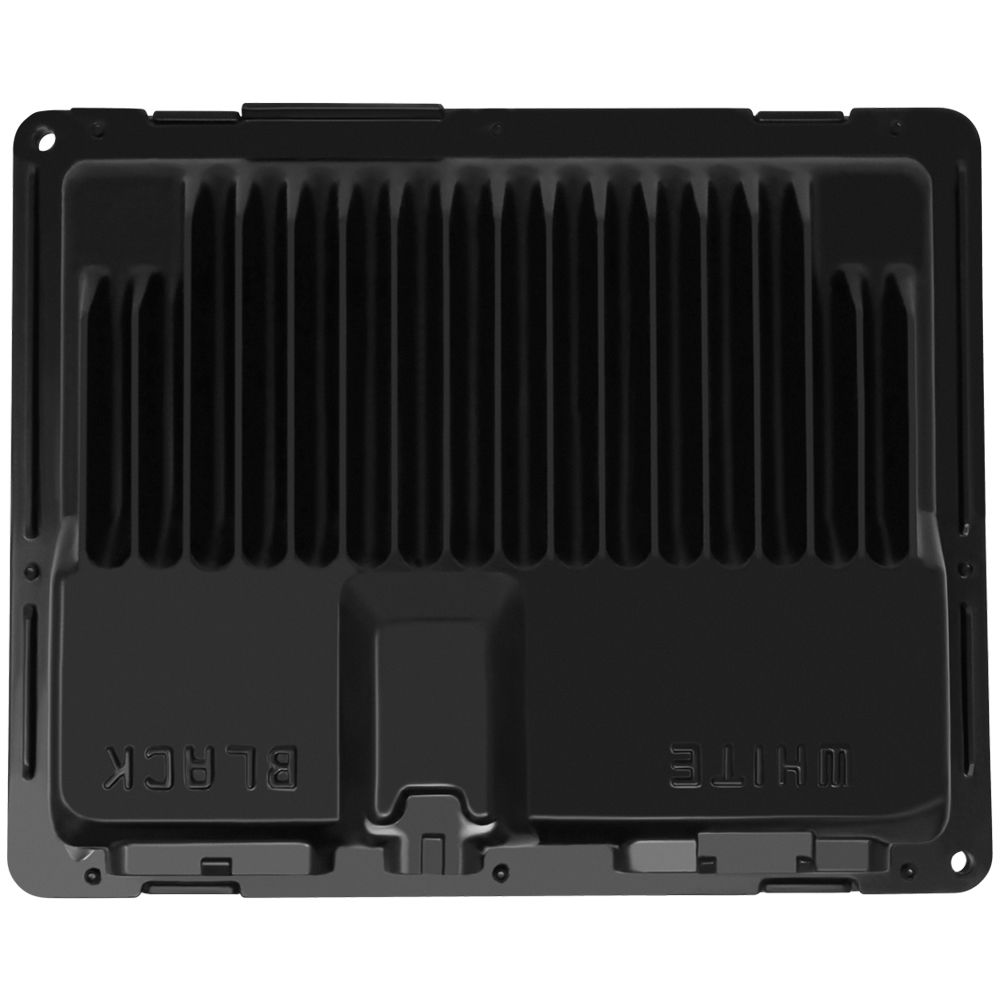
Flagship One stocks a refurbished, VIN-programmed PCM for the 1996 GMC Safari with a lifetime warranty, free shipping and no core charge. The full GMC Safari module lineup covers other engine configurations as well.
If your 1996 GMC Safari is experiencing power or performance issues, consider the PCM as a potential source. A well‑installed, pre‑programmed unit can restore reliable operation and keep your vehicle on the road. Explore your options today and get back to driving with confidence.