
Last updated on August 25th, 2026 at 01:29 pm
The Powertrain Control Module (PCM) in your 1997 GMC Safari manages engine and transmission functions. Failure often causes no-start, stalling, poor performance, or check-engine lights.
If your 1997 GMC Safari with the 4.3L V6 is experiencing intermittent stalling, a no-start condition, or erratic transmission behavior, the Powertrain Control Module (PCM) may be at fault. The PCM is the primary computer that controls fuel injection, ignition timing, and shift points. This guide explains what the PCM does in your Safari, where it is located, how long replacement typically takes, and what factory bulletins apply. You will also learn about common failure symptoms and the reprogramming procedure required after installing a new or remanufactured unit. Understanding these details helps you avoid misdiagnosis and ensures you get the right part for your 1997 GMC Safari.
The Powertrain Control Module (PCM) in your 1997 GMC Safari is the central computer that coordinates engine and transmission operation. It receives signals from sensors such as the crankshaft position sensor, throttle position sensor, and oxygen sensors, then adjusts fuel delivery, spark timing, and transmission shift patterns to maintain performance and emissions compliance. The PCM also monitors system health and stores diagnostic trouble codes when faults occur. Because the 4.3L engine relies on precise electronic control, a failing PCM can cause a wide range of drivability issues. When you need a replacement, look for replacement PCMs for the 1997 GMC Safari that are specifically calibrated for your engine and transmission combination. The PCM is a sealed unit that cannot be repaired; it must be replaced and then programmed with the correct software for your vehicle’s VIN and options.
1997 GMC Safari
OEM programmed ECM for your 1997 GMC Safari — plug & play, no dealer visit.
Free shipping · Lifetime warranty
The PCM in your 1997 GMC Safari is typically mounted inside the engine compartment, often on the driver-side fender or near the firewall. According to labor time data, removing and replacing the Powertrain Control Module is a 1.0-hour job. The Engine Control Module (ECM) reset procedure is listed at 0.3 hours, and the ECM removal and replacement also takes 1.0 hours. Access may require removing a cover or nearby components. No specific torque values are provided for the mounting bolts, but standard practice is to tighten them securely. Always disconnect the battery before handling the PCM to avoid electrical damage. The connector may have a locking tab; press it to release before unplugging.
| Operation | Configuration | Book Time |
|---|---|---|
| Powertrain Control Module R&R | All configurations | 1.0 hr |
| Engine Control Module Reset | All configurations | 0.3 hr |
| Engine Control Module R&R | All configurations | 1.0 hr |
After installing a new or remanufactured PCM in your 1997 GMC Safari, the factory procedure requires reprogramming the module with the latest calibration. Service bulletin #99-06-04-053, dated October 26, 1999, provides information on PCM reprogramming for this vehicle. This step typically involves a dealer-level scan tool and access to GM’s software database. However, when you purchase a VIN-programmed replacement PCM from Flagship One, the module arrives already loaded with the correct software for your specific 1997 GMC Safari. That means you can install the unit and start the engine without needing a separate reprogramming visit. The reset procedure (0.3 hours) may still be recommended to clear learned adaptations, but the major programming step is already complete.
A failing PCM in your 1997 GMC Safari can produce a variety of symptoms that mimic other problems. Common signs include a no-start condition where the engine cranks but does not fire, intermittent stalling while driving, or rough idle and misfire. The check engine light may illuminate with codes related to fuel trim, ignition, or transmission control. You might also notice poor fuel economy, hesitation during acceleration, or erratic shifting from the automatic transmission. In some cases, the scan tool cannot communicate with the PCM, indicating a dead module. Electrical issues such as blown fuses or battery drain can also point to PCM failure. Because the 4.3L engine relies heavily on the PCM for timing and fuel control, any of these symptoms should be investigated promptly to avoid being stranded.
Two factory service bulletins apply to the 1997 GMC Safari’s PCM. Bulletin #99-06-04-053, released October 26, 1999, provides information on PCM reprogramming procedures. This bulletin may be relevant if you are updating the module’s software after replacement or to address a known drivability concern. Bulletin #83-81-32, dated September 16, 1998, announces new PCM connector service kits. These kits include replacement terminals and seals to repair damaged connectors without replacing the entire wiring harness. Both bulletins are informational and do not mandate a recall, but they are useful references when servicing the PCM system.
| Bulletin | Subject | What It Addresses |
|---|---|---|
| 99-06-04-053 | Info – PCM Reprogramming – (Oct 26, 1999) | — |
| 83-81-32 | INFO – NEW PCM CONNECTOR SERVICE KITS – (Sep 16, 1998) | — |
Common signs include a no-start condition, stalling, misfire, poor fuel economy, and transmission shifting problems. A scan tool may show communication failure or codes like P0601. However, symptoms can overlap with other faults, so proper diagnosis is important.
Yes, the replacement is rated at 1.0 hours labor, which is manageable for a DIYer with basic tools. You will need to disconnect the battery, unplug the connector, remove mounting bolts, and install the new unit. After installation, the PCM must be programmed for your vehicle.
That bulletin provides information on the correct procedure and tools needed to reprogram the PCM. It may address software updates for drivability or emissions issues. Your dealer or a qualified shop can perform the update if needed.
A used PCM may work, but it must be from the same engine and transmission combination and then reprogrammed to your VIN. Without reprogramming, the module may not communicate or could cause drivability problems. A pre-programmed unit from Flagship One avoids that hassle.
In GM vehicles of this era, the terms PCM (Powertrain Control Module) and ECM (Engine Control Module) are often used interchangeably. The module controls both engine and transmission functions. The labor times list both names, but they refer to the same component.
When your 1997 GMC Safari’s PCM fails, you have two main options: have a shop diagnose and replace the module, or purchase a refurbished unit that is pre-programmed for your vehicle. A refurbished PCM from a trusted supplier can save time and money while restoring proper engine and transmission operation. For the 4.3L Safari, choosing a unit that matches your VIN ensures plug-and-play installation.
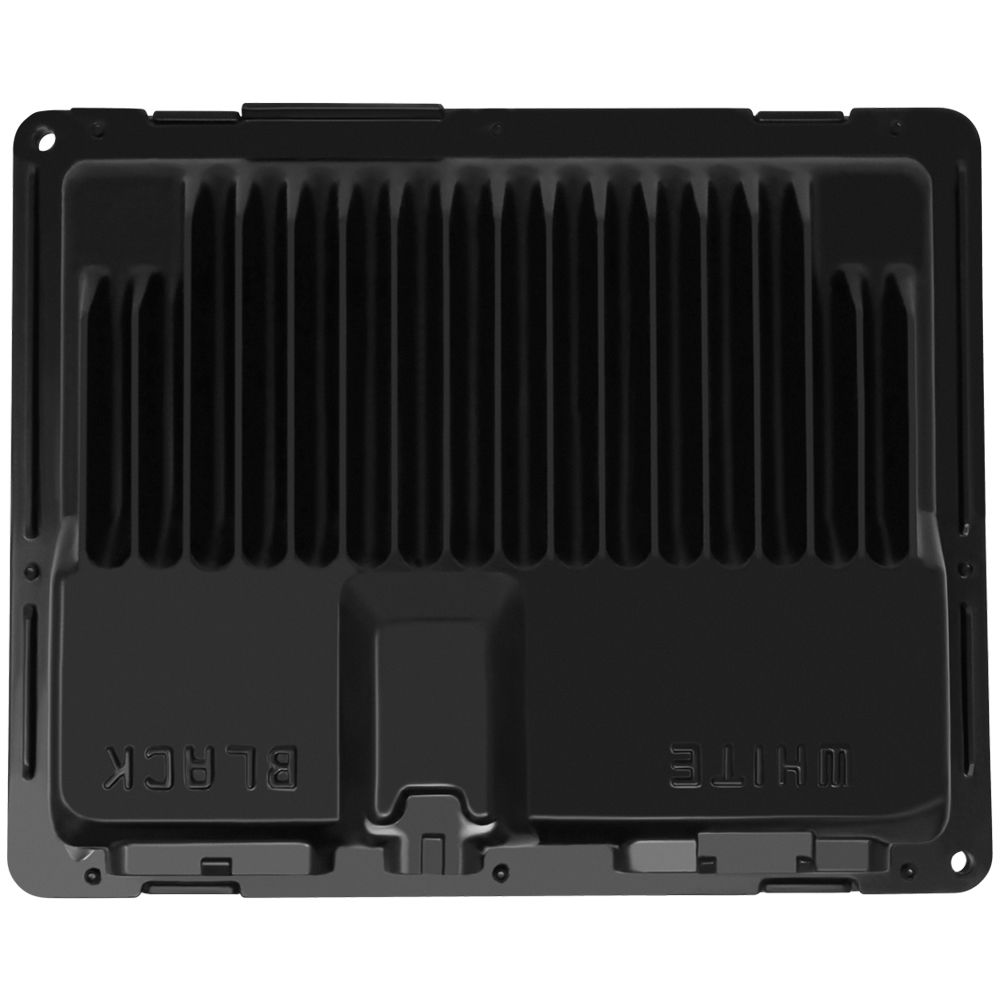
Flagship One stocks a refurbished, VIN-programmed PCM for the 1997 GMC Safari with a lifetime warranty, free shipping and no core charge. The full GMC Safari module lineup covers other engine configurations as well.
The PCM is a critical component in your 1997 GMC Safari 4.3L, controlling engine and transmission performance. Recognizing failure symptoms early and understanding the replacement and reprogramming process helps you get back on the road quickly. Flagship One offers pre-programmed PCMs that eliminate the need for a separate dealer visit, making the repair straightforward.