
Last updated on August 25th, 2026 at 12:15 pm
The control module manages engine and hybrid system functions in your 2016 Ford C-Max Hybrid. Internal processor faults may trigger specific diagnostic trouble codes. Failure often leads to performance loss or no-start conditions requiring professional assessment and potential unit replacement for proper operation.
Working on a hybrid vehicle requires careful attention to electronic management systems. When your 2016 Ford C-Max Hybrid exhibits erratic behavior, the central computer may be the cause. Understanding the role of the powertrain control module helps you diagnose issues accurately before committing to repairs. This guide explains typical failure modes and labor expectations for this specific model. You will learn how internal processor errors manifest and what steps technicians take during replacement. Knowledge of factory procedures ensures you avoid unnecessary costs or repeated visits. Proper identification of the problem saves time and restores confidence in your daily driver. We focus on factual data regarding removal times and relearn processes. Your goal is reliable transportation without guessing games during the service interval. Technicians often check communication lines before swapping hardware to confirm the fault. Hybrid systems add complexity to standard engine management diagnostics. You need clear information to make informed decisions about servicing your car.
This computer acts as the brain for the gasoline engine and electric motor coordination. It monitors sensors to optimize fuel economy and emissions while managing power delivery. In the 2016 Ford C-Max Hybrid, this unit processes data from the hybrid battery system too. Internal processing faults can disrupt communication between major components. You might experience sudden power loss if the processor cannot calculate timing correctly. Replacement units must match the original specifications to ensure compatibility with existing wiring. Seeking replacement engine computers ensures you get hardware capable of handling hybrid-specific tasks. The module protects itself by limiting operation when critical errors occur. This safety feature prevents damage to the electric drive system during malfunctions. Technicians verify power and ground connections before condemning the hardware itself. Voltage spikes from the charging system may damage internal circuits over time. Proper grounding is essential for stable operation in high-voltage environments. Your vehicle relies on this component for smooth transitions between gas and electric power. Failure here affects overall drivability significantly. Moisture intrusion near the mounting location can cause corrosion on connectors. Heat cycles during normal operation stress the internal solder joints gradually. Diagnostic tools read live data to pinpoint where the signal fails. You should address warning lights promptly to prevent secondary damage. The system logs faults when parameters fall outside expected ranges. Understanding these functions helps you communicate effectively with service providers.
2016 Ford C-Max Hybrid
OEM programmed ECM for your 2016 Ford C-Max Hybrid — plug & play, no dealer visit.
Free shipping · Lifetime warranty
The module resides within the engine compartment protected by a housing. Access typically requires removing surrounding components to reach the mounting bolts. Book time for removal and installation is 0.7 hours according to standard guides. Reconnecting the wiring harness demands care to avoid bending pins. After physical installation, the system requires a relearn procedure. This step takes 0.5 hours for the powertrain control module specifically. Another 0.5 hours applies if the engine control module needs relearning separately. Technicians use diagnostic scanners to initialize the new hardware properly. Skipping this step may result in poor performance or idle issues. Your vehicle needs this calibration to recognize the new component identity. Torque specifications should be followed to prevent case damage during mounting. Always disconnect the battery before handling electronic control units. This precaution reduces the risk of static discharge damaging circuits.
| Operation | Configuration | Book Time |
|---|---|---|
| Powertrain Control Module R&R | All configurations | 0.7 hr |
| Powertrain Control Module Relearn | All configurations | 0.5 hr |
| Engine Control Module Relearn | All configurations | 0.5 hr |
| Engine Control Module R&R | All configurations | 0.7 hr |
Factory procedures mandate specific software initialization after hardware replacement. The vehicle must recognize the new module to operate correctly. Standard shops charge for 0.5 hours of relearn labor typically. This process configures parameters unique to your specific VIN. Flagship One units arrive VIN-programmed so those steps are already done. You save time by installing a VIN-programmed replacement unit that bypasses initial setup hurdles. This approach reduces the total time your car spends in the shop. Professional tools are still needed to verify communication after installation. The programming ensures emissions monitors reset properly for inspection purposes. Your technician confirms all systems report ready status before releasing the vehicle. Eliminating the relearn step simplifies the repair process significantly. You avoid potential errors during manual configuration procedures. The unit is ready to manage engine functions immediately upon connection.
Common signs of module failure include unexpected stalling during idle. You may notice the engine cranks but refuses to start completely. Communication errors with scan tools often indicate internal processor failure. Shifting issues can arise if the transmission receives bad data. A specific diagnostic trouble code like indicating P0606 processor fault may appear on your dashboard. This code signals an internal integrity check failure within the computer. The hybrid system may disable electric assist to protect components. Fuel economy often drops noticeably before total failure occurs. Warning lights illuminate to alert you of management system problems. Intermittent power loss makes driving unsafe in traffic situations. Your vehicle might enter a limp mode to limit speed. Technicians check for voltage irregularities that mimic hardware faults. Corrosion on connectors can cause similar symptoms without module failure. Addressing these signs early prevents being stranded unexpectedly. The engine may run rough or misfire under load. Data stream analysis reveals where the signal processing breaks down. You should not ignore persistent warning indicators on the cluster. Hybrid battery charging may stop if the control logic fails. Smooth acceleration becomes difficult when timing calculations are incorrect. Your mechanic will verify power supply stability before replacing parts.
Internal diagnostic monitoring detects processor integrity issues within the control unit. The following code represents a confirmed hardware malfunction for this model. Technicians use this information to justify component replacement during service.
| Code | Meaning | Full Guide |
|---|---|---|
| P0606 | Module processor failure | Full P0606 guide → |
Driving is not recommended as the engine may stall unexpectedly. The hybrid system could disable power assist without warning. You risk being stranded in traffic if the computer shuts down.
Factory procedures typically require a relearn process taking 0.5 hours. However, pre-programmed units eliminate this step for your convenience. Verification with a scan tool is still necessary.
Book guides list 0.7 hours for removal and installation typically. Additional time applies for any required software initialization procedures. Total shop time varies based on technician workflow.
Communication errors often accompany internal processor faults like P0606. Scan tool connectivity issues suggest the module is not responding. Multiple codes may appear depending on the failure mode.
Keep battery terminals clean and ensure grounds are secure. Avoid voltage spikes from improper jump-starting procedures. Regular electrical system checks help prevent premature component failure.
You face a choice between repairing the existing unit or installing a refurbished replacement. Refurbished options often provide a more reliable long-term solution for internal faults. Your vehicle deserves hardware that meets original performance standards consistently. Consider the labor costs involved when deciding on the repair path.
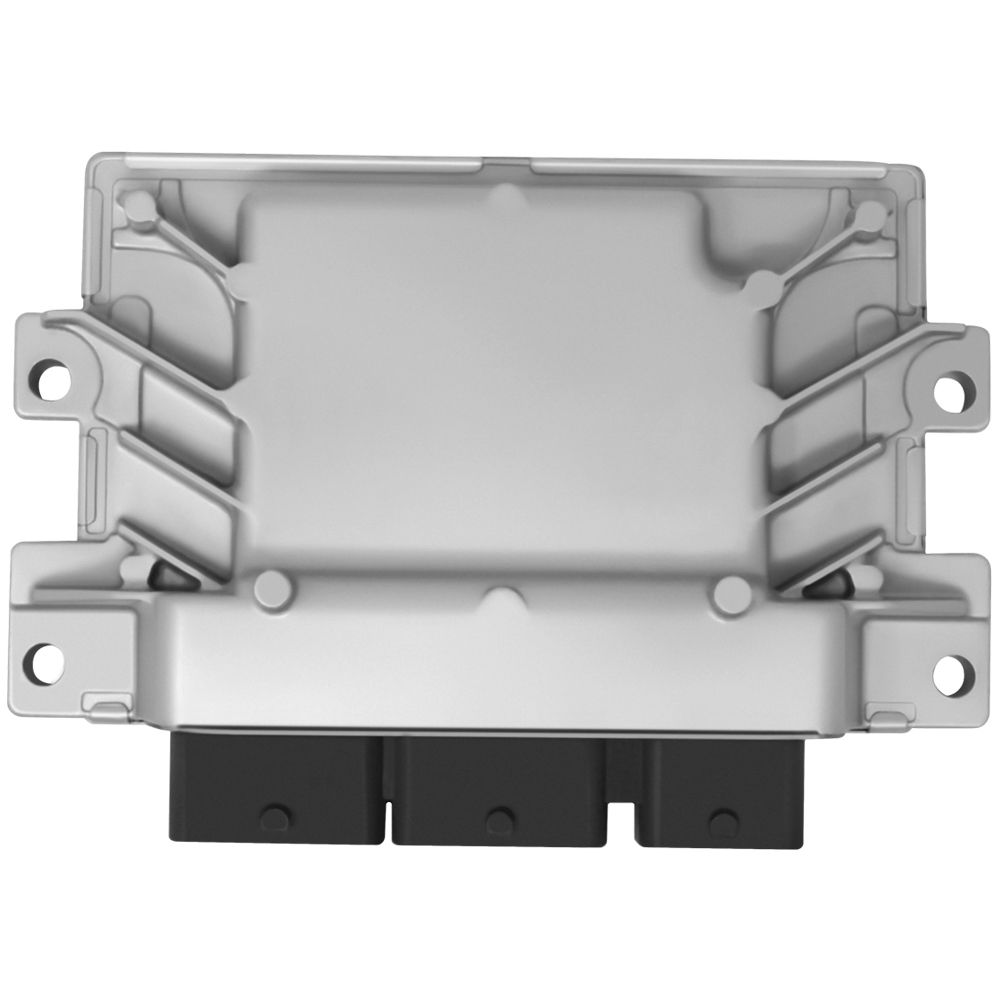
Flagship One stocks a refurbished, VIN-programmed PCM for the 2016 Ford C-Max Hybrid with a lifetime warranty, free shipping and no core charge. The full Ford C-Max Hybrid module lineup covers other engine configurations as well.
Restoring your 2016 Ford C-Max Hybrid requires accurate diagnosis and proper parts. Understanding labor times and programming needs helps you plan the repair effectively. Choose a solution that ensures reliable performance for your daily commute. Professional installation ensures the system functions as designed by the manufacturer.