
Last updated on August 25th, 2026 at 01:32 pm
The powertrain control module (PCM) in the 2013 Ford C-Max Hybrid manages engine and hybrid systems, coordinating fuel delivery, ignition timing, and electric motor assist. A failing PCM may cause erratic performance, warning lights, or a complete no-start condition.
If your 2013 Ford C-Max Hybrid has been acting unpredictably—stalling at stops, hesitating under acceleration, or refusing to start—you may be dealing with a failing powertrain control module (PCM). This small but critical computer oversees everything from fuel injection to hybrid system coordination, making it essential for smooth operation. When it malfunctions, the effects can range from subtle performance issues to a vehicle that won’t run at all. Understanding how the PCM functions, where it’s located, and what replacement involves can help you make informed decisions about repairs. Whether you’re troubleshooting a persistent warning light or preparing for a replacement, knowing the steps involved—including the often-overlooked programming requirements—can save time and frustration. With the right approach, you can restore your C-Max Hybrid’s reliability without unnecessary delays.
2013 Ford C-Max Hybrid
OEM programmed replacements — plug & play, no dealer visit.
Find yours by year, make & model →
Free shipping · Lifetime warranty
The powertrain control module in your 2013 Ford C-Max Hybrid serves as the brain of both the gasoline engine and the hybrid system, ensuring seamless interaction between the two. It continuously monitors sensors for engine speed, throttle position, and battery voltage, adjusting fuel delivery and ignition timing to optimize efficiency. Because the C-Max Hybrid relies on electric motor assist during acceleration and regenerative braking, the PCM also manages power distribution between the engine and electric drive system. A malfunction here doesn’t just affect engine performance—it can disrupt the entire hybrid operation, leading to reduced fuel economy or even a loss of propulsion. When replacing this component, choosing replacement PCMs for the C-Max Hybrid ensures compatibility with your vehicle’s unique calibration, which is tailored to its 2.0L engine and hybrid powertrain. Without proper calibration, the module may fail to communicate with other systems, triggering warning lights or performance issues.
In the 2013 Ford C-Max Hybrid, the powertrain control module is mounted in the engine compartment, typically secured near the firewall or on the driver’s side inner fender. Accessing it requires removing a protective cover or airbox assembly, depending on the vehicle’s configuration. The replacement process involves disconnecting the battery, unplugging the wiring harness, and removing the mounting bolts to free the module. With the old unit out, the new PCM is installed in reverse order, ensuring all connectors are seated properly and the mounting hardware is torqued to specification. Labor estimates for removal and reinstallation are approximately 0.7 hours, though additional time may be needed if other components obstruct access. Once installed, the module must be programmed to recognize your vehicle’s specific VIN and calibration data to function correctly.
| Operation | Configuration | Book Time |
|---|---|---|
| Powertrain Control Module R&R | All configurations | 0.7 hr |
| Powertrain Control Module Relearn | All configurations | 0.5 hr |
| Engine Control Module Relearn | All configurations | 0.5 hr |
| Engine Control Module R&R | All configurations | 0.7 hr |
After installing a new powertrain control module in your 2013 Ford C-Max Hybrid, the factory procedure requires a relearn process to synchronize the module with the vehicle’s systems. This typically involves using a diagnostic tool to input the VIN and perform a series of calibrations, which can take around 0.5 hours. Without this step, the module may not communicate properly with the engine, transmission, or hybrid system, leading to performance issues or warning lights. However, opting for a VIN-programmed replacement unit eliminates the need for this additional programming, as the module arrives pre-configured with your vehicle’s specific data. This not only saves time but also reduces the risk of errors during the relearn process, ensuring a smoother installation and immediate functionality.
A failing powertrain control module in the 2013 Ford C-Max Hybrid often announces itself through a range of symptoms that can disrupt daily driving. One of the most common signs is a no-start condition, where the engine cranks but fails to fire, often accompanied by a lack of communication with diagnostic tools. Stalling at idle or during deceleration is another frequent issue, as the module struggles to maintain stable engine operation. Misfires may occur, particularly under load, leading to rough acceleration or hesitation. Warning lights, such as the check engine or hybrid system alerts, may illuminate, and trouble codes like internal control module memory check sum error can appear during a scan. In some cases, the vehicle may enter a reduced-power mode to prevent further damage, limiting acceleration or disabling hybrid assist. Shifting issues, such as delayed or harsh gear changes, may also arise if the module fails to communicate properly with the transmission control system. These symptoms often worsen over time, so addressing them promptly can prevent more extensive repairs.
A battery disconnect can reset the PCM’s learned values, causing temporary stalling until the module relearns idle parameters. This typically resolves within a few drive cycles, but if stalling persists, the PCM may need reprogramming or replacement.
While the vehicle may still run, a P0601 code indicates an internal memory error in the PCM, which can lead to unpredictable behavior. Driving with this code active may result in reduced performance or a no-start condition, so addressing it promptly is recommended.
A failing PCM often triggers multiple unrelated codes or causes communication errors with diagnostic tools. If sensors test within specifications but symptoms persist, the PCM itself may be the culprit. A professional scan tool can help isolate the issue.
A used PCM without reprogramming may not recognize your vehicle’s VIN or calibration data, leading to performance issues, warning lights, or a no-start condition. Factory procedures require a relearn process to ensure compatibility.
Clearing codes without addressing the underlying problem may temporarily hide symptoms, but the issue will likely return. Persistent codes can indicate a failing PCM or related component, so proper diagnosis is essential.
If your 2013 Ford C-Max Hybrid is experiencing PCM-related issues, you have options beyond a costly dealership visit. A refurbished replacement module, pre-programmed with your vehicle’s VIN, can restore functionality without the wait or expense of a new unit. Given the labor estimates for installation, choosing a pre-configured module can also reduce downtime, allowing you to get back on the road sooner. Whether you’re dealing with a no-start condition or persistent warning lights, understanding the replacement process helps you make the best choice for your situation.
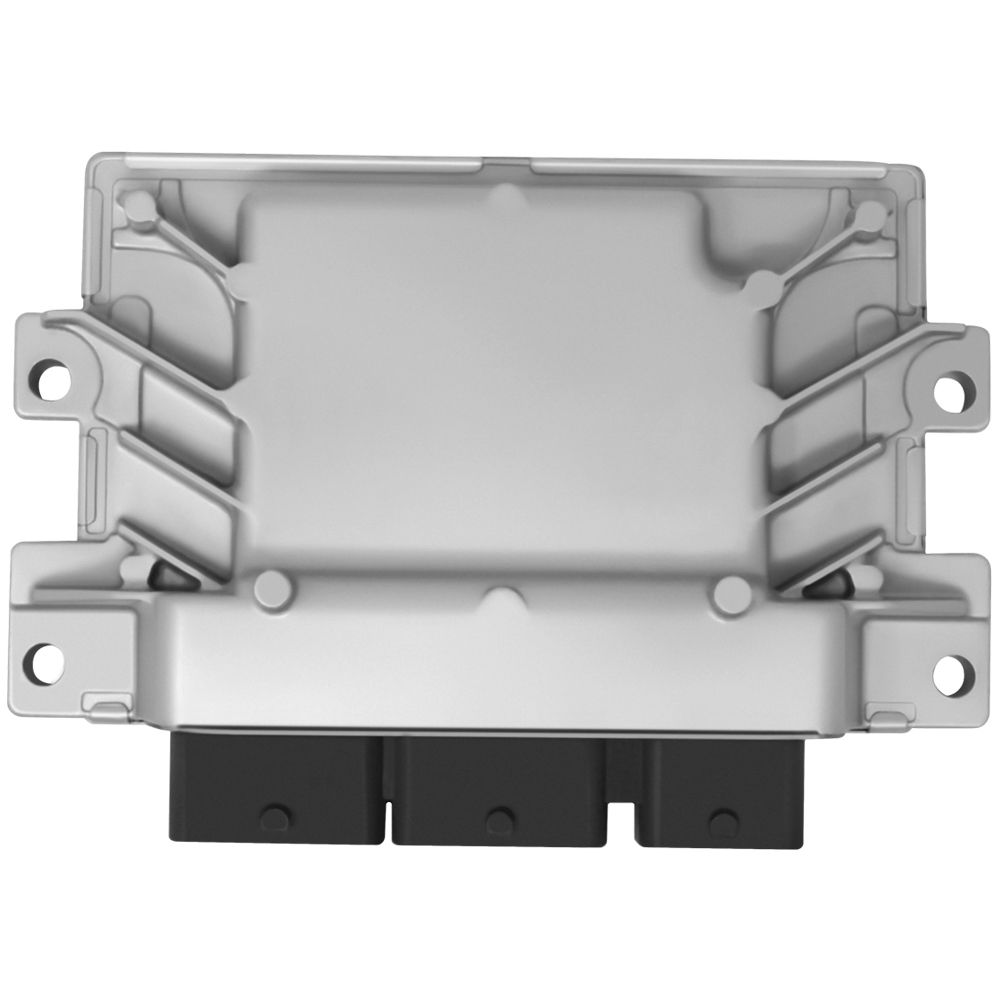
Flagship One stocks a refurbished, VIN-programmed PCM for the 2013 Ford C-Max Hybrid with a lifetime warranty, free shipping and no core charge. The full Ford C-Max Hybrid module lineup covers other engine configurations as well.
The powertrain control module plays a vital role in keeping your 2013 Ford C-Max Hybrid running smoothly, managing both engine and hybrid system functions. When it fails, the effects can range from minor annoyances to a complete loss of drivability. By recognizing the symptoms early and opting for a pre-programmed replacement, you can minimize downtime and avoid the hassle of post-install programming. Whether you’re tackling the repair yourself or working with a shop, understanding the process ensures a smoother experience and a more reliable outcome.