
Last updated on August 25th, 2026 at 01:31 pm
The Powertrain Control Module (PCM) in your 2015 Ford Mustang 2.3L acts as the vehicle’s central computer, managing engine performance, fuel delivery, and transmission behavior. Failures may cause erratic operation, poor fuel economy, or complete engine shutdown.
If your 2015 Ford Mustang 2.3L has been experiencing unexplained stalling, rough idling, or a stubborn no-start condition, the Powertrain Control Module (PCM) may be the culprit. This critical component serves as the brain of your vehicle, coordinating engine and transmission operations to ensure smooth performance. When it fails, symptoms can range from subtle drivability issues to complete immobilization. Understanding the role of the PCM, recognizing failure signs, and knowing the replacement process can help you make informed decisions. Whether you’re dealing with a sudden breakdown or preemptive maintenance, this guide will walk you through what the PCM does, how to spot problems, and what to expect during replacement—including why choosing the right replacement unit matters for your Mustang.
The Powertrain Control Module (PCM) in your 2015 Ford Mustang 2.3L is a sophisticated onboard computer responsible for managing nearly every aspect of engine and transmission performance. It continuously monitors data from sensors throughout the vehicle, adjusting fuel injection, ignition timing, and shift points in real time to optimize power, efficiency, and emissions. Without a properly functioning PCM, your Mustang may struggle to start, run inefficiently, or even enter a fail-safe mode that limits performance. Because the PCM integrates engine and transmission control into a single unit, its failure can lead to a wide range of symptoms, from poor fuel economy to erratic shifting or even a complete loss of communication with diagnostic tools. If replacement becomes necessary, you’ll want to consider replacement engine computers for the Mustang to ensure compatibility and proper functionality. The PCM’s role is especially critical in turbocharged engines like your 2.3L EcoBoost, where precise air-fuel ratios and boost control are essential for reliable operation.
2015 Ford Mustang 2.3L
OEM programmed ECM for your 2015 Ford Mustang 2.3L — plug & play, no dealer visit.
Free shipping · Lifetime warranty
In the 2015 Ford Mustang 2.3L, the Powertrain Control Module (PCM) is located in the engine bay, typically mounted on the passenger-side firewall or inner fender. Accessing it requires removing the engine cover and possibly disconnecting nearby components like the air intake or battery. The replacement process involves unplugging the electrical connectors, removing the mounting bolts, and installing the new unit. According to factory labor estimates, removing and replacing the PCM takes approximately 0.8 hours. After installation, a relearn procedure is often required, which adds another 0.5 hours of labor. This step ensures the module synchronizes with the vehicle’s sensors and systems, allowing for proper operation. If you’re performing the work yourself, take care to avoid static discharge, which can damage sensitive electronics in the PCM.
Work with the ignition off, and treat the module as static-sensitive: avoid touching the connector pins at any point.
| Operation | Configuration | Book Time |
|---|---|---|
| Engine Control Module Relearn | All configurations | 0.5 hr |
| Engine Control Module R&R | All configurations | 0.8 hr |
| Engine Control Module Reset | All configurations | 0.3 hr |
| Powertrain Control Module R&R | All configurations | 0.8 hr |
| Powertrain Control Module Relearn | All configurations | 0.5 hr |
After replacing the Powertrain Control Module (PCM) in your 2015 Ford Mustang 2.3L, the factory procedure typically requires reprogramming the module to match your vehicle’s specific configuration. This includes reprogramming the Passive Anti-Theft System (PATS) to ensure the engine starts without security-related issues. The process may also involve a relearn procedure, which can take up to 0.5 hours of labor, to synchronize the PCM with the vehicle’s sensors and transmission. However, if you opt for a VIN-programmed replacement unit, these steps are already completed before the unit arrives. This means you can install the module and drive your Mustang without additional programming or relearn procedures, saving time and reducing the risk of complications. Always ensure the replacement PCM is compatible with your vehicle’s build date and engine configuration to avoid potential issues.
A failing Powertrain Control Module (PCM) in your 2015 Ford Mustang 2.3L can manifest in several ways, often mimicking other mechanical or electrical issues. One of the most common signs is a no-start condition, where the engine cranks but fails to fire, sometimes accompanied by a security warning light on the dashboard. Stalling or rough idling may also occur, particularly when the vehicle is under load or during sudden acceleration. You might notice poor fuel economy, as the PCM struggles to optimize air-fuel ratios, or erratic transmission behavior, such as harsh or delayed shifts. In some cases, the check engine light will illuminate, and a scan tool may reveal module-internal trouble codes like an internal control module memory check sum error. Other symptoms include intermittent loss of communication with diagnostic tools, which can make troubleshooting frustrating. Because the PCM controls so many systems, symptoms can vary widely, but persistent drivability issues or warning lights should prompt further investigation. If you experience multiple symptoms simultaneously, the PCM is a likely suspect, especially if other components like sensors or wiring have been ruled out.
When the Powertrain Control Module (PCM) in your 2015 Ford Mustang 2.3L begins to fail, it may generate specific trouble codes that point directly to internal faults. These codes are distinct from those caused by sensor or wiring issues and often indicate a need for module replacement or reprogramming.
| Code | Meaning | Full Guide |
|---|---|---|
| P0601 | Internal memory checksum error | Full P0601 guide → |
| P0606 | Module processor failure | Full P0606 guide → |
| P1674 | Module-internal fault | — |
| U0121 | Module-internal fault | Full U0121 guide → |
| U0146 | Module-internal fault | Full U0146 guide → |
| U0151 | Module-internal fault | Full U0151 guide → |
Intermittent stalling in your 2015 Mustang 2.3L can stem from several issues, including a failing PCM. The module controls fuel delivery, ignition timing, and transmission behavior, so if it malfunctions, the engine may cut out unexpectedly. Before assuming the PCM is at fault, check for common culprits like a faulty crankshaft position sensor or fuel pump, but if those are ruled out, the PCM may be the next logical step.
If your 2015 Mustang 2.3L is experiencing persistent symptoms like a no-start condition, stalling, or multiple module-internal trouble codes, replacement may be necessary. Reprogramming is typically recommended for software-related issues, such as updates or minor glitches. However, if the PCM has internal hardware failures—like memory corruption or electrical damage—reprogramming won’t resolve the problem, and replacement is the only solution.
Ignoring a P0601 code, which indicates an internal control module memory check sum error, can lead to worsening drivability issues in your Mustang. The PCM may begin to make incorrect calculations for fuel delivery or ignition timing, resulting in poor performance, reduced fuel economy, or even engine damage over time. While the vehicle may still run, addressing the code promptly can prevent more costly repairs down the line.
Yes, a failing PCM can cause erratic or harsh shifting in your Mustang’s transmission. Since the PCM controls both engine and transmission functions, a malfunction can disrupt the signals sent to the transmission solenoids, leading to delayed or rough shifts. If you notice unusual transmission behavior alongside other symptoms like stalling or warning lights, the PCM should be inspected as part of the diagnostic process.
Driving with a suspected bad PCM can be risky, as the module controls critical engine and transmission functions. If the PCM fails completely, your Mustang may stall unexpectedly or refuse to start, leaving you stranded. Additionally, a malfunctioning PCM can cause poor fuel economy or engine damage over time. If you suspect an issue, it’s best to have the vehicle diagnosed promptly to avoid potential safety hazards or further damage.
If your 2015 Ford Mustang 2.3L is exhibiting symptoms of a failing PCM, you have a few options to consider. Repairing the existing module may be possible in some cases, particularly if the issue is software-related, but this often requires specialized equipment and expertise. For hardware failures, replacement is typically the most reliable solution. Opting for a VIN-programmed replacement unit ensures compatibility and eliminates the need for additional programming, saving you time and hassle. Whether you choose to tackle the replacement yourself or leave it to a professional, addressing the issue promptly can restore your Mustang’s performance and reliability.
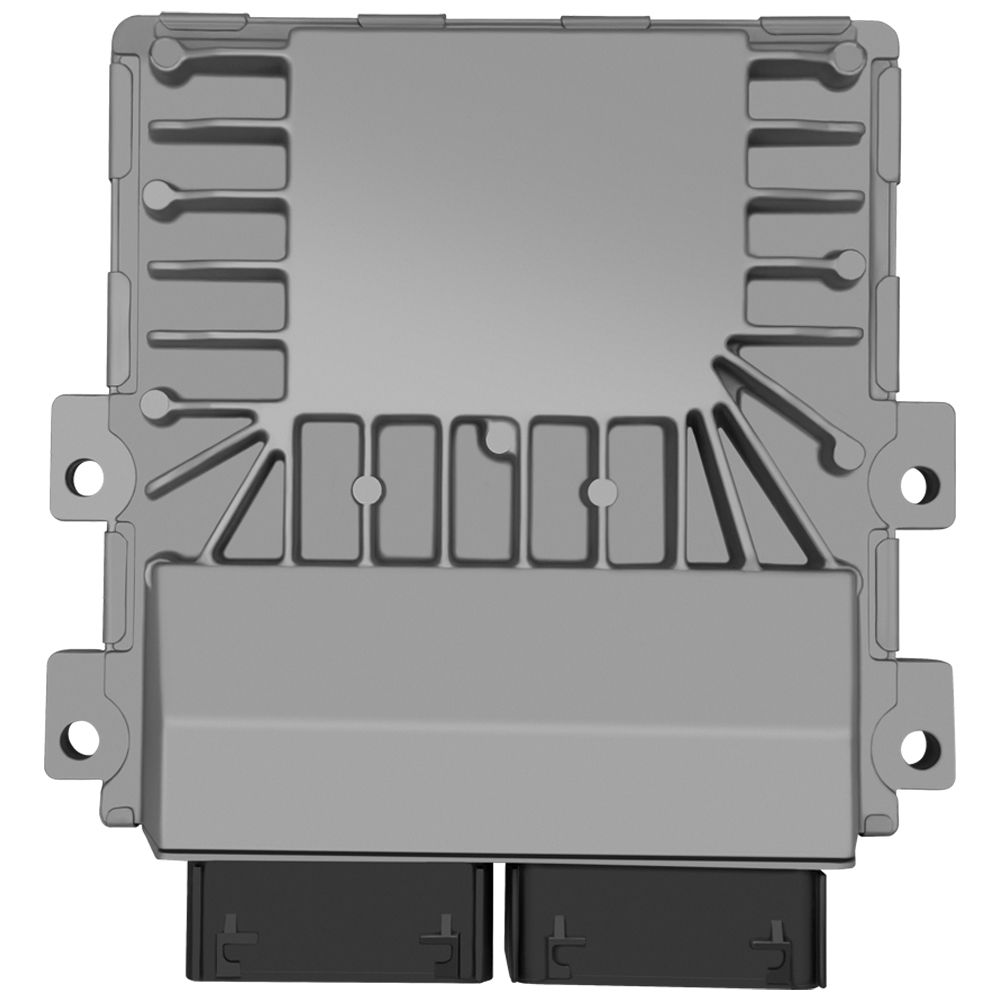
Flagship One stocks a refurbished, VIN-programmed PCM for the 2015 Ford Mustang with a lifetime warranty, free shipping and no core charge. The full Ford Mustang module lineup covers other engine configurations as well.
The Powertrain Control Module (PCM) plays a vital role in the performance and drivability of your 2015 Ford Mustang 2.3L. Recognizing the signs of failure—such as stalling, no-start conditions, or warning lights—can help you address issues before they leave you stranded. Whether you opt for repair or replacement, understanding the process and choosing the right solution ensures your Mustang runs smoothly. If you suspect a PCM issue, don’t delay in taking action to keep your vehicle reliable and enjoyable to drive.