
Last updated on August 25th, 2026 at 01:32 pm
In the 2013 Ford Mustang, the Powertrain Control Module (PCM) manages engine timing, fuel delivery, and transmission shift strategy. A failure typically disrupts these functions, leading to loss of power, erratic shifting, or complete no‑start conditions.
When a 2013 Ford Mustang exhibits erratic powertrain behavior, the PCM often becomes the focal point of diagnosis. Understanding what the module does, how it is accessed, and what steps follow its replacement can save you time and prevent unnecessary repairs. This guide walks you through the replacement process, the required post‑install programming, and the typical signs that indicate the PCM may need attention, so you can make an informed decision about repair or refurbishment.
The Powertrain Control Module in the 2013 Ford Mustang serves as the central computer that coordinates engine ignition timing, fuel injection, and transmission shift points. By constantly processing sensor data, it ensures optimal performance and emissions compliance. A malfunction can cause rough idle, stalling, or transmission glitches, making reliable operation critical. Access to the PCM is typically through the engine compartment, and its programming must match the vehicle’s VIN to function correctly. The module’s role is especially vital during cold starts and aggressive acceleration, where precise timing influences both power delivery and fuel efficiency. For owners seeking a replacement, understanding 2013 Ford Mustang replacement PCM helps ensure the correct hardware is selected.
2013 Ford Mustang
OEM programmed ECM for your 2013 Ford Mustang — plug & play, no dealer visit.
Free shipping · Lifetime warranty
The PCM in the 2013 Ford Mustang is mounted within the engine bay, reachable after disconnecting the battery and removing a few fasteners. Replacing the unit involves removing the existing module, which the labor guide estimates at half an hour, and installing the new unit with a similar time requirement. After the physical swap, the Engine Control Module relearn procedure adds another thirty minutes of labor, according to the book times. No additional torque specifications are provided in the source data, so standard secure fastening practices apply.
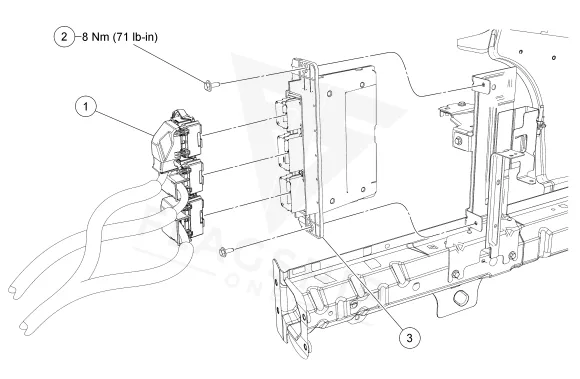
Work with the ignition off, and treat the module as static-sensitive: avoid touching the connector pins at any point.
| Operation | Configuration | Book Time |
|---|---|---|
| Powertrain Control Module R&R | All configurations | 0.5 hr |
| Engine Control Module Relearn | All configurations | 0.5 hr |
| Engine Control Module R&R | All configurations | 0.6 hr |
Factory service requires you to follow the procedure outlined in Section 2 of the Flash EEPROM guide to program the VID block for a replacement PCM. That step ensures the new module recognizes the vehicle’s unique identification number. Flagship One units arrive as a VIN-programmed replacement unit, meaning the VID block has already been written, and the post‑install programming step is effectively completed at delivery.
Owners of a 2013 Ford Mustang may notice a range of issues when the PCM is compromised. Common signs include an inability to start the engine, intermittent stalling at idle, rough acceleration, or unexpected transmission shifts. Diagnostic scans often reveal internal fault codes such as internal PCM processing error, which points directly to a problem inside the module itself. In some cases, the scan tool may lose communication with the vehicle, indicating a loss of PCM functionality. These symptoms typically worsen under load or temperature extremes, prompting a closer look at the PCM’s health.
The following internal trouble code is documented for the 2013 Ford Mustang PCM:
| Code | Meaning | Full Guide |
|---|---|---|
| P0606 | Module processor failure | Full P0606 guide → |
The labor guide lists about half an hour for the PCM removal and reinstall, plus another thirty minutes for the Engine Control Module relearn.
Factory service specifies using the Flash EEPROM procedure to program the VID block, but a Flagship One unit arrives pre‑programmed, eliminating the need for additional tools.
Yes, because the PCM also controls shift timing, a malfunction can lead to harsh or delayed shifts, especially under acceleration.
The P0606 code indicates an internal processing error, which often points to the PCM itself, though checking wiring and connectors first is advisable.
A refurbished unit that has been tested and programmed to match the vehicle’s VIN should provide comparable performance to a new PCM.
When the PCM in your 2013 Ford Mustang needs attention, you can choose between a new factory‑spec unit or a Flagship One refurbished replacement. Both options restore the vehicle’s engine and transmission control, but a refurbished unit arrives pre‑programmed, potentially reducing shop time. Evaluate your budget and schedule to decide which path aligns best with your repair goals.
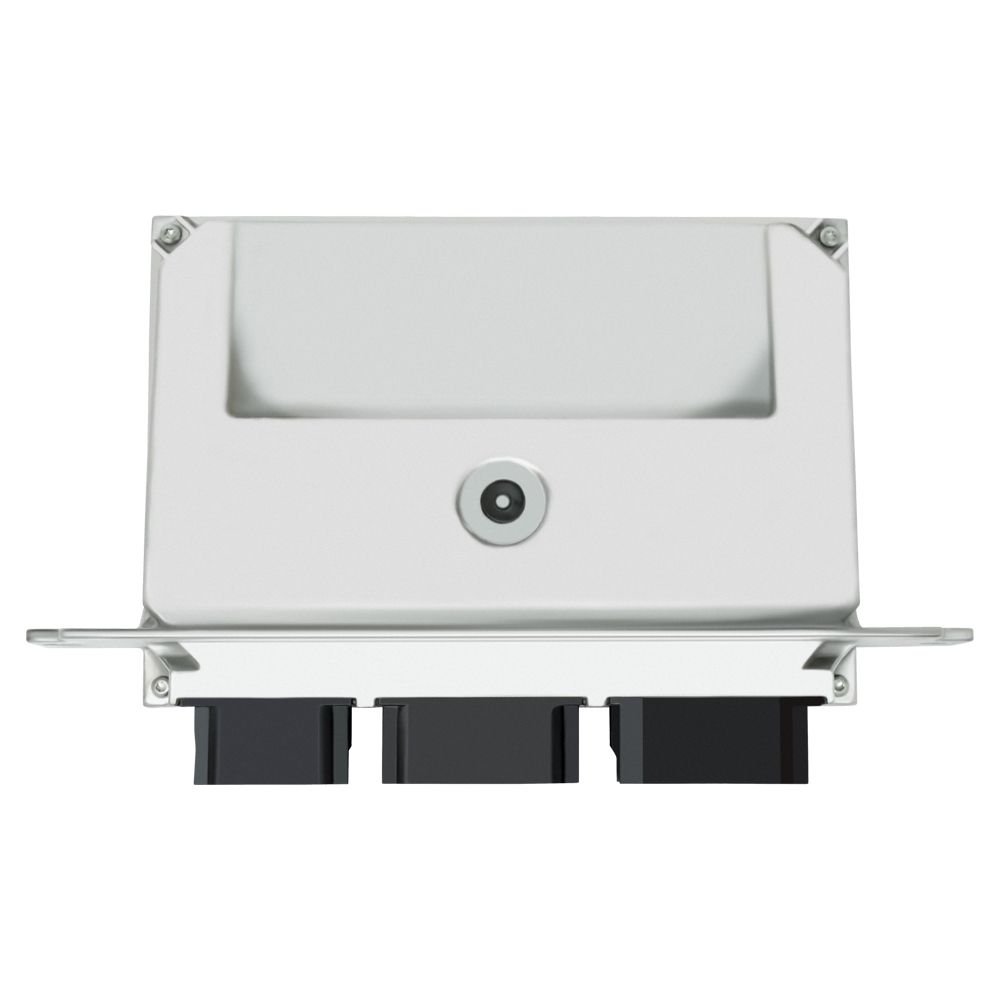
Flagship One stocks a refurbished, VIN-programmed PCM for the 2013 Ford Mustang with a lifetime warranty, free shipping and no core charge. The full Ford Mustang module lineup covers other engine configurations as well.
The 2013 Ford Mustang relies on a properly functioning PCM for smooth powertrain operation. Whether you opt for a brand‑new part or a Flagship One refurbished solution, ensuring correct installation and programming will keep your Mustang running reliably.