
Last updated on August 25th, 2026 at 01:32 pm
The Powertrain Control Module (PCM) in your 2014 Ford Escape 1.6L acts as the vehicle’s central computer, managing engine performance, fuel delivery, and emissions systems. Failure may disrupt critical functions, leading to drivability issues or complete engine shutdown.
If your 2014 Ford Escape 1.6L has developed intermittent stalling, refuses to start, or suddenly throws a check-engine light with an internal control module code, the Powertrain Control Module (PCM) may be failing. This compact computer manages nearly every aspect of your engine’s operation, from fuel injection timing to transmission shift points. When it malfunctions, symptoms can range from subtle drivability quirks to complete vehicle immobilization. Understanding the role of this module, recognizing failure patterns specific to your Escape, and knowing what replacement entails helps you make informed decisions about repairs. This guide explains the PCM’s function in your vehicle, common failure symptoms, labor requirements, and the programming steps needed to restore proper operation—including how pre-programmed units can simplify the process.
The Powertrain Control Module in your 2014 Ford Escape 1.6L serves as the brain of the engine and transmission systems. This replacement engine computers for the Escape integrates data from sensors throughout the vehicle to optimize fuel delivery, ignition timing, and emissions control. Unlike earlier vehicles with separate engine and transmission controllers, your Escape uses a single module to coordinate these functions, improving efficiency and responsiveness. The PCM also manages the Powertrain Anti-Theft System (PATS), which prevents unauthorized engine starts by verifying the key’s transponder signal. When the PCM fails, it may disrupt communication between these systems, leading to erratic engine behavior or failure to start. The module’s location near the engine bay exposes it to heat and vibration, which can accelerate wear over time. Its role in emissions control also means a malfunctioning PCM may cause your vehicle to fail state inspections, even if drivability seems unaffected.
2014 Ford Escape 1.6L
OEM programmed ECM for your 2014 Ford Escape 1.6L — plug & play, no dealer visit.
Free shipping · Lifetime warranty
The PCM in your 2014 Ford Escape 1.6L is mounted in the engine compartment, typically secured to the firewall or inner fender. Replacement involves disconnecting the battery, removing the air intake ducting, and unbolting the module from its bracket. The factory labor time for Powertrain Control Module R&R on this engine is 0.9 hours. Technicians must carefully disconnect the wiring harness, ensuring no damage to the connectors or pins, as these are common failure points. After installation, the module must be properly torqued to specifications to prevent vibration-related issues. The process is straightforward but requires attention to detail, as improper handling may introduce new electrical faults. No additional components need removal beyond the air intake assembly, making access relatively direct compared to some vehicles where the PCM is buried under dash panels or behind interior trim.
Work with the ignition off, and treat the module as static-sensitive: avoid touching the connector pins at any point.
| Operation | Configuration | Book Time |
|---|---|---|
| Powertrain Control Module R&R | 1.6L | 0.9 hr |
| Powertrain Control Module R&R | 2.0L | 0.8 hr |
| Powertrain Control Module R&R | 2.5L | 0.8 hr |
| Engine Control Module Relearn | All configurations | 0.5 hr |
| Engine Control Module R&R | 1.6L | 0.9 hr |
| Engine Control Module R&R | 2.0L | 0.8 hr |
| Engine Control Module R&R | 2.5L | 0.8 hr |
After installing a new PCM in your 2014 Ford Escape 1.6L, the factory procedure requires reprogramming the Powertrain Anti-Theft System (PATS) using Ford diagnostic equipment. This step ensures the vehicle recognizes the new module and allows the engine to start. The process typically involves connecting to the vehicle’s OBD-II port and following a series of prompts to synchronize the PCM with the existing key transponders. However, choosing a VIN-programmed replacement unit from Flagship One eliminates this step entirely, as the module arrives pre-configured to your vehicle’s specifications. This not only saves time but also reduces the risk of programming errors that can occur during manual procedures. The labor time for the relearn procedure, if required, is 0.5 hours, separate from the physical installation time. Proper programming is critical, as an incorrectly configured PCM may cause no-start conditions or trigger additional fault codes.
A failing PCM in your 2014 Ford Escape 1.6L may produce a range of symptoms, often starting subtly before worsening over time. One of the most common signs is a no-start condition, where the engine cranks but refuses to fire, sometimes accompanied by a control module processor fault. Stalling at idle or during deceleration is another frequent issue, as the PCM struggles to maintain proper fuel and spark delivery. You might also notice erratic shifting from the automatic transmission, as the module controls shift points and torque converter lockup. Some drivers report intermittent misfires or rough running, particularly under load, which may be misdiagnosed as ignition or fuel system problems. In some cases, the check-engine light illuminates with codes related to sensor performance, even when the sensors themselves are functioning correctly. Scan tool communication issues, such as the inability to connect to the PCM or retrieve data, can also indicate module failure. Less commonly, you may experience electrical gremlins like flickering dashboard lights or accessories behaving unpredictably, as the PCM influences various vehicle systems beyond just the engine.
When the PCM in your 2014 Ford Escape 1.6L fails, it may generate specific trouble codes that help pinpoint the issue. These codes typically indicate internal module faults rather than sensor or actuator problems elsewhere in the vehicle. The following code has been documented for this vehicle’s PCM.
| Code | Meaning | Full Guide |
|---|---|---|
| P0606 | Module processor failure | Full P0606 guide → |
Intermittent stalling in your Escape often points to a failing PCM struggling to maintain idle control. The module may lose communication with the throttle body or idle air control valve, causing the engine to shut off. While other issues like vacuum leaks or fuel pump problems can cause similar symptoms, a PCM fault is more likely if the stalling occurs without warning and the engine restarts normally.
While the physical replacement of the PCM is straightforward, the programming requirements make it challenging for DIYers. The module must be synchronized with the vehicle’s anti-theft system, which typically requires dealer-level diagnostic equipment. Without proper programming, the engine may not start, even with a new module installed. If you choose to replace it yourself, ensure you have access to the necessary tools or opt for a pre-programmed unit.
PCM failures often produce multiple unrelated codes or communication errors, while sensor issues typically trigger codes specific to that component. For example, if you see a P0606 code alongside unrelated sensor codes, the PCM is likely the culprit. Additionally, if the vehicle exhibits symptoms like stalling or no-start conditions without any codes, the PCM may be failing to process sensor data correctly.
Not always. While a failing PCM often illuminates the check-engine light, it may not if the fault is intermittent or if the module fails to communicate with the OBD-II system entirely. In some cases, the vehicle may exhibit drivability issues without any warning lights, making diagnosis more challenging. A scan tool can help confirm whether the PCM is responding, even if no codes are present.
Ignoring a P0606 code may lead to worsening drivability issues, including stalling, misfires, or complete engine shutdown. The PCM controls critical functions like fuel delivery and ignition timing, so a failing module can cause poor performance or even damage other components over time. Addressing the code promptly helps prevent more costly repairs and ensures your vehicle remains reliable.
If your 2014 Ford Escape 1.6L is exhibiting PCM-related symptoms, you have options for replacement. A new module from the dealer includes factory programming but may come with a higher cost and longer wait times. Refurbished units offer a cost-effective alternative, particularly when pre-programmed to your VIN, eliminating the need for additional programming steps. Consider the labor involved, the urgency of the repair, and whether you prefer a dealer or independent shop for installation. Pre-programmed units can simplify the process, allowing you to get back on the road faster.
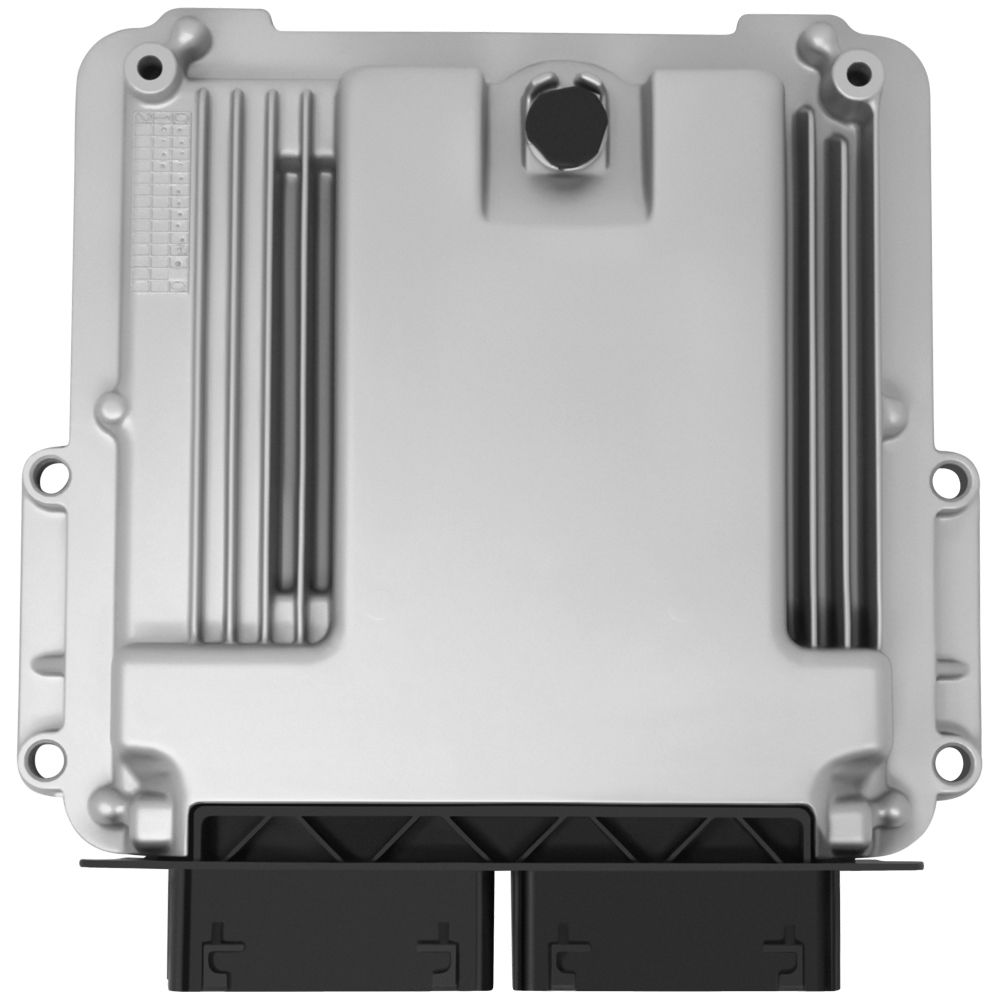
Flagship One stocks a refurbished, VIN-programmed PCM for the 2014 Ford Escape with a lifetime warranty, free shipping and no core charge. The full Ford Escape module lineup covers other engine configurations as well.
The PCM in your 2014 Ford Escape 1.6L plays a critical role in engine performance, emissions control, and overall drivability. Recognizing the signs of failure—such as stalling, no-start conditions, or internal fault codes—helps you address issues before they leave you stranded. Whether you opt for a new or refurbished replacement, understanding the labor and programming requirements ensures a smoother repair process. With proper care and prompt attention to symptoms, your Escape can continue to deliver reliable performance for years to come.