
Last updated on August 25th, 2026 at 12:22 pm
The Powertrain Control Module (PCM) in your 2017 Ford Escape 2.0L acts as the vehicle’s central computer, managing engine performance, fuel delivery, and transmission shifts. Failures may cause erratic behavior, no-start conditions, or stored trouble codes related to internal processor faults.
If your 2017 Ford Escape 2.0L has been stalling unexpectedly or refusing to start, the Powertrain Control Module (PCM) may be the culprit. This critical component acts as the brain of your vehicle, coordinating engine timing, fuel injection, and transmission shifts to ensure smooth operation. When the PCM fails, symptoms can range from subtle drivability issues to complete immobilization. Replacing it isn’t just about swapping a part—it involves precise labor, programming, and relearning procedures to restore full functionality. Understanding these steps helps you make informed decisions, whether you’re considering a repair or a replacement. With the right approach, you can avoid unnecessary delays and ensure your Escape runs reliably again.
The Powertrain Control Module (PCM) in your 2017 Ford Escape 2.0L is a sophisticated computer that integrates engine and transmission control into a single unit. It continuously monitors sensors throughout the vehicle to optimize performance, fuel efficiency, and emissions. For example, it adjusts ignition timing based on throttle position, engine load, and air temperature to prevent knocking while maximizing power. The PCM also manages the transmission’s shift points, ensuring smooth acceleration without unnecessary gear hunting. When this module malfunctions, your Escape may experience rough idling, hesitation under acceleration, or even fail to start. Because the PCM is directly tied to the vehicle’s anti-theft system (PATS), a faulty unit can also trigger security-related issues, such as a no-crank condition. Replacing it requires not just mechanical skill but also adherence to factory programming protocols. If you’re considering a new module, replacement PCMs for the Escape are available pre-programmed to your vehicle’s VIN, saving time and reducing the risk of post-installation errors.
2017 Ford Escape 2.0L
OEM programmed ECM for your 2017 Ford Escape 2.0L — plug & play, no dealer visit.
Free shipping · Lifetime warranty
In the 2017 Ford Escape 2.0L, the PCM is located in the engine bay, typically mounted near the firewall or on the driver’s side fender well. Accessing it involves removing a protective cover or air intake components to reach the module’s electrical connectors. The replacement process is straightforward but requires care to avoid damaging the connectors or the module itself. According to factory labor estimates, removing and reinstalling the PCM takes 0.8 hours. This includes disconnecting the battery, unplugging the wiring harness, and securing the new module in place. No additional torque specifications are provided, but it’s critical to ensure all connections are clean and properly seated to prevent future electrical issues. After installation, the vehicle may require a relearn procedure, which adds 0.5 hours of labor if performed separately.
Work with the ignition off, and treat the module as static-sensitive: avoid touching the connector pins at any point.
| Operation | Configuration | Book Time |
|---|---|---|
| Powertrain Control Module R&R | 1.5L | 0.8 hr |
| Powertrain Control Module R&R | 2.0L | 0.8 hr |
| Powertrain Control Module R&R | 2.5L | 0.8 hr |
| Engine Control Module Relearn | All configurations | 0.5 hr |
| Engine Control Module R&R | 1.5L | 0.8 hr |
| Engine Control Module R&R | 2.0L | 0.8 hr |
| Engine Control Module R&R | 2.5L | 0.8 hr |
| Engine Control Module Reset | All configurations | 0.3 hr |
After replacing the PCM in your 2017 Ford Escape 2.0L, the factory procedure requires reprogramming the Passive Anti-Theft System (PATS) using Ford’s diagnostic equipment. This step ensures the new module syncs with the vehicle’s security system, allowing the engine to start and run properly. Without this reprogramming, the Escape may crank but fail to start, or it may stall shortly after ignition. The process typically involves connecting to the vehicle’s OBD-II port and following a series of prompts to transfer the PATS data from the old module or the vehicle’s immobilizer. However, if you install a VIN-programmed replacement unit, this step is already completed. Flagship One modules arrive pre-configured to your vehicle’s specifications, eliminating the need for dealer reprogramming and reducing downtime. This also minimizes the risk of errors during the programming process, which can occur if the procedure isn’t followed precisely.
When the PCM in your 2017 Ford Escape 2.0L begins to fail, symptoms can vary but often include noticeable drivability issues. One of the most common signs is a no-start condition, where the engine cranks but refuses to fire. This may be accompanied by a security warning light on the dashboard, indicating an issue with the PATS system. Other drivers report intermittent stalling, particularly at idle or during low-speed driving, which can be dangerous if it occurs in traffic. Hesitation or surging under acceleration is another red flag, as the PCM struggles to manage fuel delivery and ignition timing. Some owners notice the transmission shifting erratically, such as delayed or harsh gear changes, because the PCM also controls shift points. On a scan tool, you might see communication errors or stored trouble codes like an internal processor fault, which directly points to the PCM as the source of the problem. If your Escape exhibits any of these symptoms, it’s worth investigating the PCM as a potential cause, especially if other common issues like fuel pump failure or spark plug wear have been ruled out.
The codes below point to the PCM itself rather than to a sensor or circuit it monitors. Each one links through to its full diagnostic guide.
| Code | Meaning | Full Guide |
|---|---|---|
| P0606 | Module processor failure | Full P0606 guide → |
Common signs include a no-start condition, intermittent stalling, rough idling, or erratic transmission shifts. You may also see a security warning light or stored trouble codes like P0606. If these symptoms appear, a diagnostic scan can confirm whether the PCM is the issue.
While the physical replacement is straightforward, the PCM requires programming to sync with your vehicle’s security system. Without proper equipment, you may not be able to complete the PATS reprogramming, leaving the vehicle inoperable. A pre-programmed module eliminates this risk.
The vehicle may crank but fail to start, or it may stall shortly after ignition. The PATS system prevents the engine from running if it doesn’t recognize the PCM, so reprogramming is essential for proper operation.
Removing and reinstalling the PCM takes 0.8 hours of labor. If reprogramming is required, an additional 0.5 hours is typically needed for the relearn procedure. A pre-programmed module reduces this time significantly.
A used PCM may physically fit, but it will need to be reprogrammed to match your vehicle’s VIN and security system. Even then, there’s a risk of compatibility issues or hidden faults, making a new or remanufactured unit a more reliable choice.
If your 2017 Ford Escape 2.0L is experiencing PCM-related issues, you have two primary options: repair or replacement. A repair may involve diagnosing and fixing specific faults, but if the module is internally damaged, replacement is often the more reliable solution. Opting for a pre-programmed replacement module saves time and ensures compatibility with your vehicle’s security system, avoiding the hassle of dealer reprogramming. Whether you choose a new or remanufactured unit, confirming it’s VIN-matched to your Escape is key to a smooth installation.
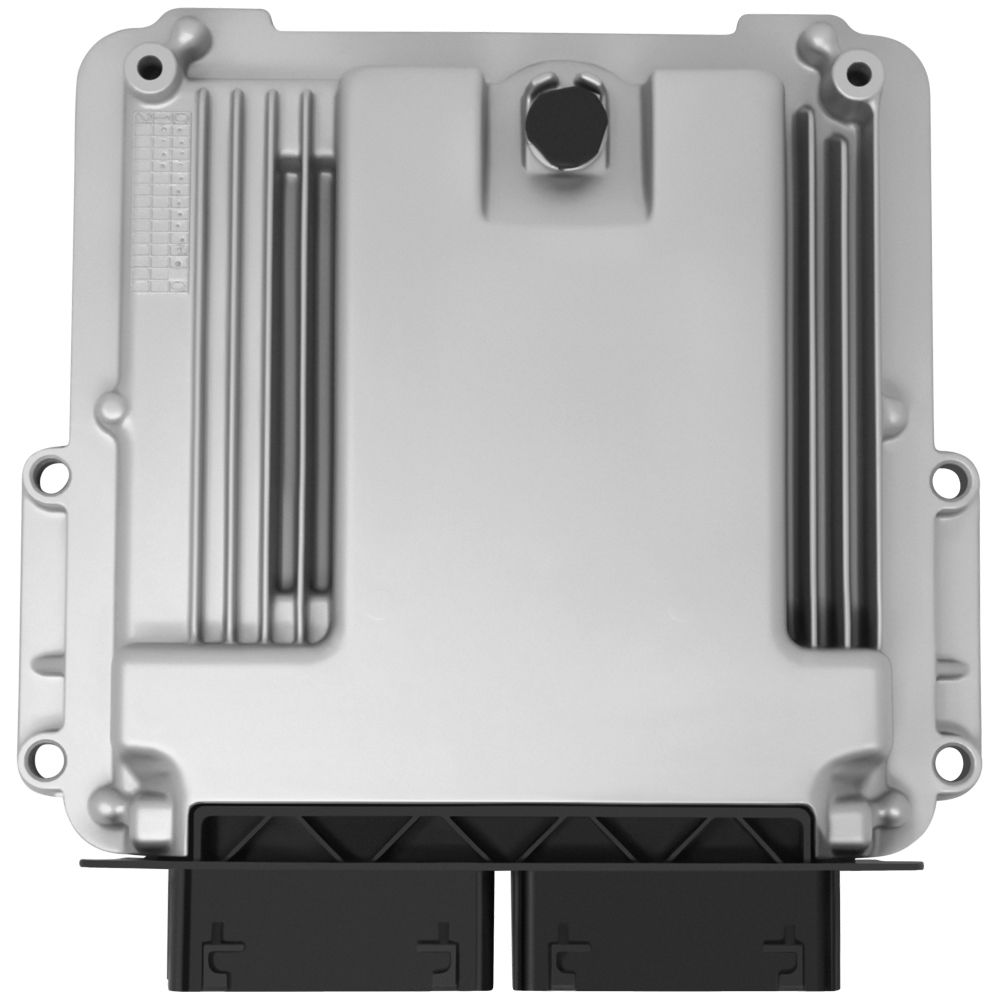
Flagship One stocks a refurbished, VIN-programmed PCM for the 2017 Ford Escape with a lifetime warranty, free shipping and no core charge. The full Ford Escape module lineup covers other engine configurations as well.
The PCM in your 2017 Ford Escape 2.0L plays a critical role in engine and transmission performance. When it fails, symptoms like stalling, no-start conditions, or erratic shifting can disrupt your daily driving. Replacing the module involves careful labor and programming, but a VIN-programmed unit simplifies the process. If you’re facing PCM issues, addressing them promptly ensures your Escape remains reliable and ready for the road ahead.