
Last updated on August 25th, 2026 at 01:36 pm
The powertrain control module (PCM) in your 2003 Ford Escort manages engine and transmission functions. Failures may cause erratic performance, no-start conditions, or stored trouble codes. Contamination or electrical issues often trigger these problems.
If your 2003 Ford Escort is experiencing rough idling, stalling, or an illuminated check engine light, the powertrain control module (PCM) may be at fault. This small but critical computer oversees everything from fuel delivery to ignition timing, ensuring smooth operation. When it fails, symptoms can range from subtle performance issues to a complete no-start condition. Replacing the PCM isn’t just about swapping parts—it involves careful handling to avoid static damage and often requires a relearn procedure to sync the new module with your vehicle’s systems. Understanding the process, from diagnosis to installation, helps you make informed decisions and avoid unnecessary costs. Whether you’re dealing with a sudden breakdown or preemptive maintenance, knowing how the PCM functions and what to expect during replacement can save time and frustration. This guide covers the essentials, including labor times, common symptoms, and why a pre-programmed unit can simplify the repair.
The powertrain control module (PCM) in your 2003 Ford Escort acts as the brain of the engine and transmission, coordinating fuel injection, ignition timing, and emissions systems. It constantly adjusts these parameters based on sensor inputs, ensuring optimal performance and efficiency. Without a functioning PCM, your vehicle may struggle to start, idle erratically, or even enter a reduced-power mode to prevent damage. The module also communicates with the onboard diagnostics system, storing trouble codes when it detects irregularities. Over time, electrical surges, contamination, or internal failures can compromise its operation. If replacement becomes necessary, replacement engine computers for the Escort are designed to restore full functionality, but proper installation and programming are key to avoiding repeat issues. The PCM’s role is so central that even minor glitches can trigger noticeable symptoms, making timely attention critical.
2003 Ford Escort
OEM programmed replacements — plug & play, no dealer visit.
Find yours by year, make & model →
Free shipping · Lifetime warranty
In the 2003 Ford Escort, the PCM is located inside the engine bay, typically mounted on the passenger-side firewall or near the strut tower. Accessing it involves removing a protective cover or bracket, which may require basic hand tools. The factory labor time for removing and replacing the module is 0.7 hours, though this doesn’t include additional steps like disconnecting the battery or cleaning the connector. Once the old unit is removed, the new PCM is installed in the same location and secured with the original fasteners. Care must be taken to avoid static discharge, as the module’s sensitive electronics can be damaged by even minor electrical charges. After installation, the battery is reconnected, and the vehicle may require a relearn procedure to ensure proper communication between the PCM and other systems. This step is critical for restoring normal operation and preventing driveability issues.
Work with the ignition off, and treat the module as static-sensitive: avoid touching the connector pins at any point.
| Operation | Configuration | Book Time |
|---|---|---|
| Powertrain Control Module R&R | All configurations | 0.7 hr |
| Powertrain Control Module Relearn | All configurations | 0.5 hr |
| Engine Control Module Relearn | All configurations | 0.5 hr |
| Engine Control Module R&R | All configurations | 0.7 hr |
After installing a new PCM in your 2003 Ford Escort, the factory procedure requires a relearn process to synchronize the module with the vehicle’s sensors and systems. This typically involves a 0.5-hour labor step, where the technician uses a scan tool to reset adaptive values and ensure proper communication. However, a VIN-programmed replacement unit arrives pre-configured to match your vehicle’s specifications, eliminating the need for this additional step. This not only saves time but also reduces the risk of incomplete programming, which can lead to persistent issues like rough idling or poor fuel economy. The relearn procedure is still recommended for some repairs, but with a pre-programmed module, your Escort should be ready to drive immediately after installation, assuming no other faults are present.
When the PCM in your 2003 Ford Escort begins to fail, symptoms often start subtly but can escalate quickly. Common signs include rough idling, where the engine feels uneven or shaky at stoplights, or stalling, which may occur when coming to a stop or accelerating. The check engine light is another frequent indicator, often accompanied by stored trouble codes like an ignition misfire or oil contamination fault. In some cases, the vehicle may enter a reduced-power mode, limiting acceleration to prevent potential damage. Other symptoms include poor fuel economy, hesitation during acceleration, or even a no-start condition if the PCM fails completely. Scan tool communication issues can also arise, making it difficult to retrieve codes or monitor live data. Because the PCM controls so many systems, symptoms may mimic other problems, such as fuel pump failures or sensor malfunctions, so proper diagnosis is essential. If you notice any of these issues, addressing them promptly can prevent further complications.
Ford issued several service bulletins addressing PCM-related issues in the 2003 Escort with the 2.0L engine. TSB #00-03-07 notes that trouble codes P1380, P1381, or P1383 may appear due to engine oil contamination, even if the malfunction indicator lamp (MIL) is illuminated without noticeable driveability concerns. Another bulletin, #99-13-08, links codes P1381 and P1383 to rough idle, stalling, or reduced power, often requiring PCM inspection or replacement. These bulletins highlight the importance of addressing stored codes promptly, as they may indicate underlying issues that could worsen over time. If your Escort exhibits these symptoms, reviewing the bulletins can help guide the diagnostic process and ensure the correct repairs are made.
| Bulletin | Subject | What It Addresses |
|---|---|---|
| 00-03-07 | 2.0L – DIAGNOSTIC TROUBLE CODES (DTCS) P1380, P1381, OR P1383 IN MEMORY – ENGINE – ENGINE OIL C | — |
| 99-13-08 | 2.0L ZETEC ENGINES – IDLE SPEEDS – MALFUNCTION INDICATOR LAMP (MIL) – MALFUNCTION INDICATOR LAM | — |
Common signs include rough idling, stalling, a no-start condition, or an illuminated check engine light with stored trouble codes. The vehicle may also enter a reduced-power mode or exhibit poor fuel economy. A scan tool can help confirm PCM-related issues by retrieving codes like P1383.
Replacing the PCM is possible for those with basic mechanical skills, but it requires careful handling to avoid static damage. The module is located in the engine bay, and installation involves disconnecting the battery and securing the new unit. A relearn procedure may also be needed unless using a pre-programmed replacement.
Stalling after PCM replacement often indicates a need for a relearn procedure. The new module must synchronize with the vehicle’s sensors and systems, which typically requires a scan tool to reset adaptive values. Without this step, the engine may idle poorly or stall.
PCM failures can result from electrical surges, contamination, or internal component wear. Oil contamination, as noted in factory bulletins, is a known issue for this vehicle. Static discharge during handling or improper jump-starting can also damage the module.
A VIN-programmed PCM arrives pre-configured to match your vehicle’s specifications, eliminating the need for a post-install relearn procedure. This saves time and reduces the risk of incomplete programming, which can lead to persistent driveability issues.
If your 2003 Ford Escort is showing signs of PCM failure, you have options for repair or replacement. While a dealership may offer a new module, refurbished units provide a cost-effective alternative without sacrificing reliability. A VIN-programmed replacement ensures compatibility and eliminates the need for additional programming, getting your vehicle back on the road faster. Whether you choose to tackle the replacement yourself or leave it to a professional, addressing the issue promptly can prevent further complications and restore smooth operation.
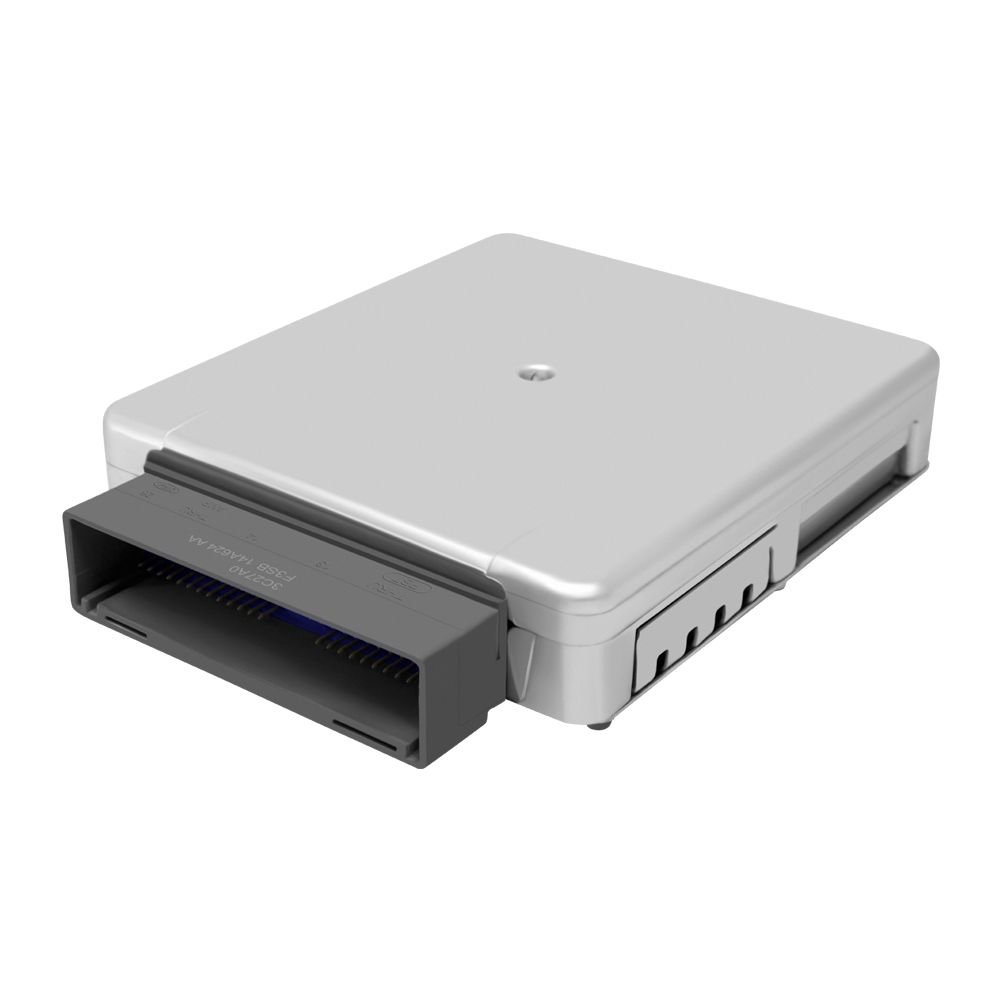
Flagship One stocks a refurbished, VIN-programmed PCM for the 2003 Ford Escort with a lifetime warranty, free shipping and no core charge. The full Ford Escort module lineup covers other engine configurations as well.
The PCM in your 2003 Ford Escort plays a vital role in engine and transmission performance, and its failure can lead to frustrating symptoms like stalling or poor fuel economy. Understanding the replacement process, from labor times to programming requirements, helps you make informed decisions about repairs. Whether you opt for a DIY approach or professional installation, using a pre-programmed unit can simplify the process and reduce downtime. If your Escort is exhibiting signs of PCM trouble, addressing it now can save time and money in the long run.