
Last updated on August 25th, 2026 at 01:38 pm
The Powertrain Control Module (PCM) in your 1998 Ford Escort manages engine performance and transmission functions. Failures may cause erratic idling, stalling, or failure to start, often triggered by voltage irregularities or corrosion.
If your 1998 Ford Escort is experiencing unexplained stalling, rough idling, or a no-start condition, the Powertrain Control Module (PCM) may be the culprit. This small but critical computer manages everything from fuel delivery to ignition timing, ensuring your engine runs smoothly. When it fails, symptoms can range from subtle performance issues to complete immobilization. Replacing the PCM isn’t just about swapping a part—it involves careful handling to avoid static damage and often requires a relearn procedure to sync the new module with your vehicle’s systems. Understanding the process, labor times, and what to expect can save you time and frustration. Whether you’re diagnosing a problem or preparing for a replacement, knowing the steps involved helps you make informed decisions about your Escort’s health.
The Powertrain Control Module (PCM) in your 1998 Ford Escort acts as the brain of the engine and transmission. It continuously monitors sensors for data like air intake, throttle position, and engine temperature, then adjusts fuel injection, ignition timing, and transmission shifts in real time. Without a functioning PCM, your vehicle may struggle to start, idle erratically, or fail to accelerate properly. This module is particularly important in the Escort because it integrates both engine and transmission control into a single unit, reducing complexity but increasing the impact of a failure. If you’re considering a replacement, replacement engine computers for the Escort are designed to restore factory-level performance, but proper installation and programming are key to avoiding further issues.
1998 Ford Escort
OEM programmed ECM for your 1998 Ford Escort — plug & play, no dealer visit.
Free shipping · Lifetime warranty
In the 1998 Ford Escort, the PCM is located inside the passenger compartment, typically mounted behind the glove box or under the dashboard. Accessing it requires removing interior panels, which can be time-consuming but doesn’t involve complex disassembly. Once exposed, the module is secured with a connector and possibly a mounting bracket. Replacement involves disconnecting the battery, unplugging the old unit, and installing the new one, taking care to avoid static discharge. Labor times for this procedure are typically 0.6 hours for the Engine Control Module (ECM) or 0.7 hours for the Powertrain Control Module (PCM). After installation, the module may need to be relearned, adding another 0.5 hours to the process. Proper torque on any mounting hardware is essential to prevent vibration damage over time.
Work with the ignition off, and treat the module as static-sensitive: avoid touching the connector pins at any point.
| Operation | Configuration | Book Time |
|---|---|---|
| Powertrain Control Module R&R | All configurations | 0.7 hr |
| Powertrain Control Module Relearn | All configurations | 0.5 hr |
| Engine Control Module Relearn | All configurations | 0.5 hr |
| Engine Control Module R&R | All configurations | 0.6 hr |
After installing a new PCM in your 1998 Ford Escort, the module often requires a relearn procedure to synchronize with the vehicle’s sensors and systems. This step, which typically takes 0.5 hours, ensures the engine and transmission operate correctly. The factory process may involve using a scan tool to reset adaptive values or performing a drive cycle to allow the PCM to recalibrate. However, if you opt for a VIN-programmed replacement unit, these steps are already completed before the module arrives. This eliminates the need for additional programming, saving you time and reducing the risk of errors during the relearn process. Always follow manufacturer guidelines to ensure the new PCM communicates properly with your Escort’s systems.
A failing PCM in your 1998 Ford Escort may cause a variety of symptoms, often mimicking other mechanical or electrical issues. Common signs include intermittent stalling, especially at idle or during deceleration, as the module struggles to maintain proper fuel and ignition timing. You might also experience a no-start condition, where the engine cranks but fails to fire, or rough idling that feels like a misfire. Some drivers report poor acceleration or hesitation under load, as the PCM fails to adjust fuel delivery correctly. In some cases, the transmission may shift erratically or fail to engage gears properly. Warning lights on the dashboard, such as the Check Engine Light, are often triggered, and a scan tool may reveal codes like internal control module memory checksum error. If the PCM loses communication with the scan tool entirely, it’s a strong indicator of a complete failure. These symptoms can worsen over time, so addressing them promptly can prevent further damage to your vehicle’s systems.
Ford issued service bulletin #99-04-03 specifically for EEC V vehicles, including the 1998 Escort, addressing out-of-vehicle reprogramming procedures for Powertrain Control Modules (PCMs). This bulletin outlines steps to update or correct module software when issues arise, particularly after a replacement. Following these guidelines ensures the PCM operates correctly with your vehicle’s systems, reducing the risk of performance issues or recurring faults. If you’re replacing the PCM, reviewing this bulletin may provide additional context for the reprogramming or relearn process.
| Bulletin | Subject | What It Addresses |
|---|---|---|
| 99-04-03 | EEC V VEHICLES ONLY – OUT-OF-VEHICLE – REPROGRAMMING POWERTRAIN CONTROL MODULES (PCMS) | — |
Common signs include stalling, rough idling, a no-start condition, or erratic transmission shifts. A scan tool may reveal trouble codes like P0601, indicating an internal fault. If the PCM fails completely, the scan tool may not communicate with the module at all.
Replacing the PCM is possible if you’re comfortable with basic automotive repairs and static-sensitive components. However, the module often requires a relearn procedure afterward, which may require a scan tool. If you’re unsure, professional installation is recommended.
In the 1998 Ford Escort, the PCM (Powertrain Control Module) integrates both engine and transmission control into a single unit. The ECM (Engine Control Module) refers specifically to the engine management portion, but the terms are often used interchangeably for this vehicle.
A new PCM must be synchronized with your vehicle’s sensors and systems to ensure proper operation. This process, called a relearn, allows the module to adapt to your Escort’s specific configuration. Without it, the engine or transmission may not perform correctly.
Always handle the PCM by its edges and avoid touching the connector pins. Ground yourself by touching a metal part of the vehicle before handling the module. Store the PCM in an anti-static bag when not in use.
If your 1998 Ford Escort is showing signs of PCM failure, you have options for replacement. A new or refurbished module can restore your vehicle’s performance, but proper programming is essential. Flagship One units arrive pre-programmed to your VIN, eliminating the need for additional steps and ensuring a smooth installation. Whether you choose to tackle the replacement yourself or leave it to a professional, understanding the process helps you make the best decision for your Escort.
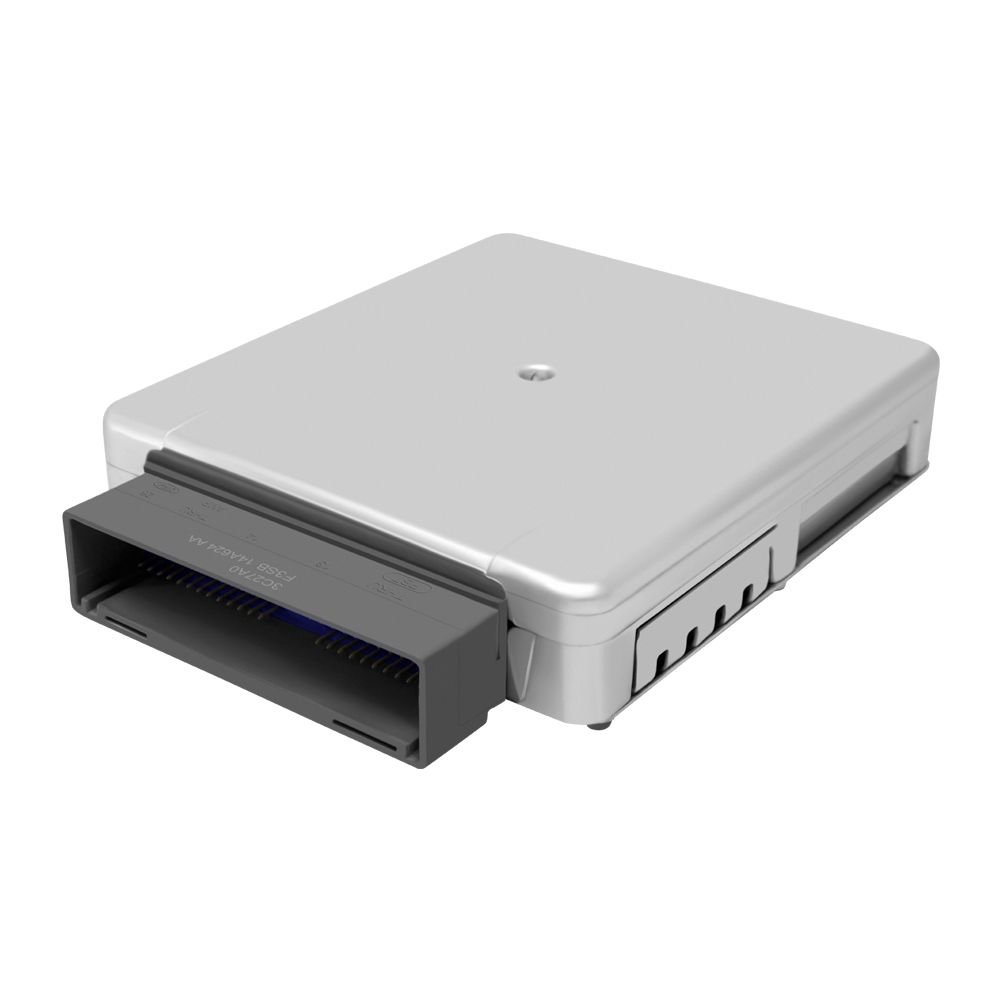
Flagship One stocks a refurbished, VIN-programmed PCM for the 1998 Ford Escort with a lifetime warranty, free shipping and no core charge. The full Ford Escort module lineup covers other engine configurations as well.
The PCM in your 1998 Ford Escort plays a critical role in keeping your engine and transmission running smoothly. If you’re experiencing stalling, no-start conditions, or erratic shifting, a failing PCM may be to blame. Replacing it involves careful handling, proper installation, and often a relearn procedure to ensure everything works as it should. By addressing the issue promptly and following best practices, you can extend the life of your Escort and avoid more costly repairs down the road.