
Last updated on August 25th, 2026 at 01:38 pm
In the 1999 Ford Escort, the Powertrain Control Module (PCM) and Engine Control Module (ECM) manage engine timing, fuel delivery, and emissions. Failure typically results from electrical overstress or internal component wear, leading to loss of engine control and diagnostic communication.
If your 1999 Ford Escort is experiencing intermittent power loss, rough idle, or a complete no‑start condition, the electronic control modules may be the root cause. These modules—specifically the Powertrain Control Module and Engine Control Module—act as the vehicle’s brain, interpreting sensor data and commanding actuators. Understanding how they function, where they sit, and what the factory recommends for replacement can help you decide between a new OEM part and a refurbished solution. This guide walks you through the module’s role, typical labor requirements, the necessary post‑install procedures, and practical steps to keep the electronics healthy, giving you the confidence to address the issue effectively.
The Powertrain Control Module in the 1999 Ford Escort gathers inputs from the throttle position sensor, crankshaft position sensor, and other engine monitors to calculate fuel injection timing and ignition spark. It also coordinates transmission shifting when equipped with an automatic gearbox. The Engine Control Module performs similar duties, focusing on emission control and idle stability. Both modules are crucial for meeting emissions standards and delivering smooth performance. A failure in either can cause loss of power, erratic idle, or a complete shutdown. Proper operation ensures the vehicle runs within factory‑specified parameters, protecting fuel economy and emissions compliance. For replacement parts, you may encounter replacement control modules for the 1999 Ford Escort that match the original specifications.
1999 Ford Escort
OEM programmed ECM for your 1999 Ford Escort — plug & play, no dealer visit.
Free shipping · Lifetime warranty
The PCM and ECM in the 1999 Ford Escort are mounted in the engine compartment, typically secured to the firewall or near the intake manifold. Access usually involves disconnecting the battery, removing a few fasteners, and unplugging the electrical connectors. According to the labor guide, swapping the Powertrain Control Module requires about 0.7 hours, while the Engine Control Module replacement also takes roughly 0.7 hours. Both procedures are straightforward when the vehicle is lifted and the wiring harness is clearly labeled, allowing a technician to replace the unit without additional specialized tools.
Work with the ignition off, and treat the module as static-sensitive: avoid touching the connector pins at any point.
| Operation | Configuration | Book Time |
|---|---|---|
| Powertrain Control Module R&R | All configurations | 0.7 hr |
| Powertrain Control Module Relearn | All configurations | 0.5 hr |
| Engine Control Module Relearn | All configurations | 0.5 hr |
| Engine Control Module R&R | All configurations | 0.7 hr |
After installing a new or refurbished module in the 1999 Ford Escort, the factory service procedure calls for a relearn cycle to synchronize the replacement with the vehicle’s existing parameters. The Powertrain Control Module needs a 0.5‑hour relearn, and the Engine Control Module requires an additional 0.5‑hour relearn. Flagship One units arrive pre‑loaded with the correct VIN data, so the required steps are already completed. This means you can install the part and, with a single a VIN‑programmed replacement unit, bypass the factory‑mandated programming sequence, saving time and reducing the chance of error.
When the PCM or ECM in a 1999 Ford Escort begins to fail, owners often notice a sudden loss of power, rough idle, or the engine refusing to start. Diagnostic trouble codes may appear, and the check engine light can flash intermittently. In some cases, the transmission may shift harshly or hesitate, reflecting the PCM’s loss of communication with the transmission controller. A dead scan‑tool connection is another sign that the module’s internal circuitry is compromised. These symptoms typically worsen under load or after the vehicle has been sitting for a period, indicating that the electronic control unit is no longer reliably processing sensor data.
Technical Service Bulletin #99-04-03 addresses out‑of‑vehicle reprogramming of powertrain control modules for EEC‑V equipped vehicles. The bulletin outlines the steps needed to update PCM software when the module cannot be programmed in‑vehicle, providing a clear procedure for dealers and repair shops.
| Bulletin | Subject | What It Addresses |
|---|---|---|
| 99-04-03 | EEC V VEHICLES ONLY – OUT-OF-VEHICLE – REPROGRAMMING POWERTRAIN CONTROL MODULES (PCMS) | — |
The labor guide estimates about 0.7 hours for the Powertrain Control Module replacement, plus an additional 0.5 hours for the required relearn procedure.
Factory instructions call for a 0.5‑hour relearn after PCM installation, but a VIN‑programmed replacement from Flagship One eliminates that step.
Technical Service Bulletin #99-04-03 provides the out‑of‑vehicle reprogramming process for powertrain control modules on the 1999 Ford Escort.
Yes, the factory cautions that electronic modules are sensitive to static discharge, and exposure can result in damage.
Typical signs include rough idle, stalling, loss of emission control, and a lack of communication with diagnostic tools.
When the PCM or ECM in your 1999 Ford Escort needs attention, you can choose a brand‑new OEM part or a refurbished unit that matches the original specifications. Both options require the same labor steps, but a Flagship One replacement arrives VIN‑programmed, removing the need for post‑install relearn procedures. Consider the cost, availability, and your comfort with the installation process when deciding which path best fits your repair plan.
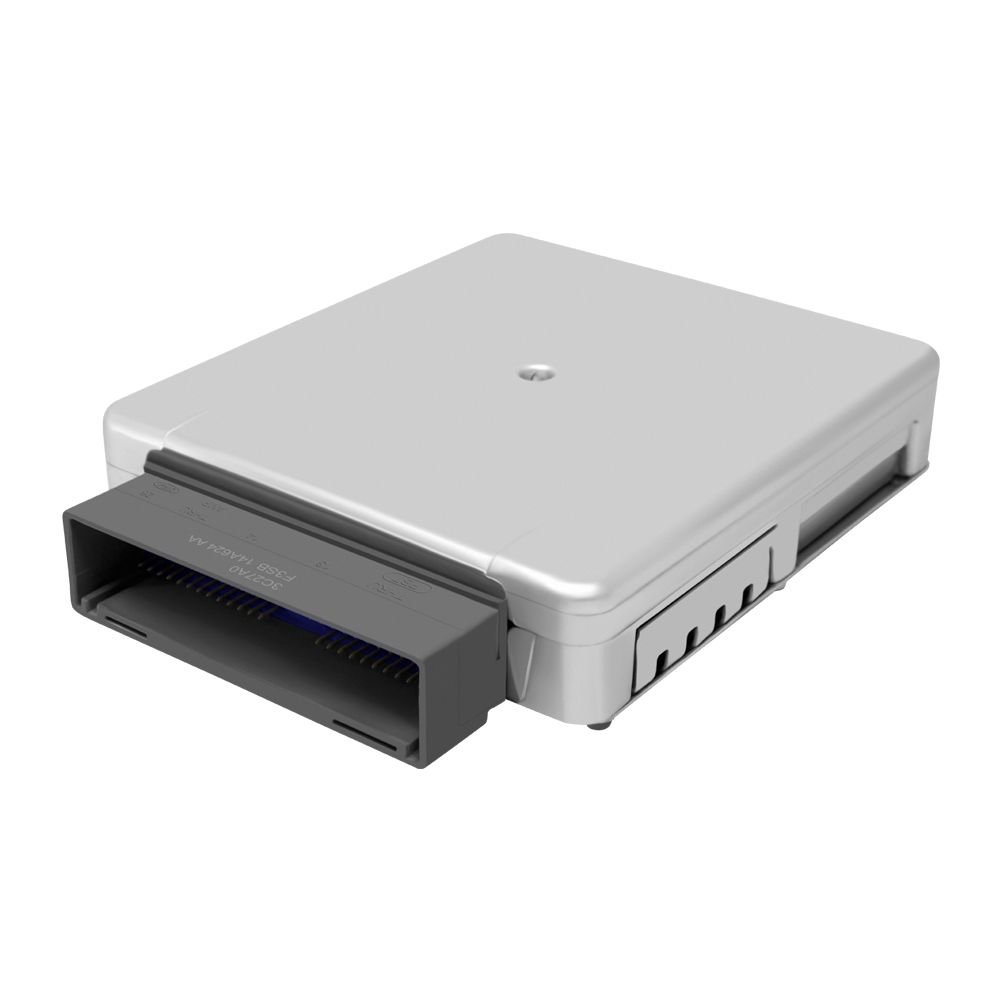
Flagship One stocks a refurbished, VIN-programmed PCM for the 1999 Ford Escort with a lifetime warranty, free shipping and no core charge. The full Ford Escort module lineup covers other engine configurations as well.
Replacing the PCM or ECM in a 1999 Ford Escort restores engine control and emissions performance. Whether you opt for a new or refurbished unit, the labor and relearn steps remain consistent, and a VIN‑programmed part can simplify the process. Contact a qualified technician to evaluate your vehicle’s needs and ensure a reliable repair.