
Last updated on August 25th, 2026 at 01:15 pm
In the 2001 Ford Escort 2.0L, the Powertrain Control Module (PCM) and Engine Control Module (ECM) manage fuel delivery, ignition timing, and transmission shifts. Failure often leads to engine misfires, power loss, or warning lights.
When your 2001 Ford Escort 2.0L begins to show a malfunction indicator light or experiences erratic engine performance, the culprit is often the Powertrain Control Module or the Engine Control Module. These computers are the nervous system of your vehicle, coordinating fuel, spark, and shift timing. Replacing a damaged module restores communication between the engine, transmission, and driver‑interface gauges. By understanding the location, replacement process, and post‑install programming steps, you can make an informed decision about whether to repair or replace the module. This guide gives you the details you need to evaluate the cost, time, and reliability of a new PCM or ECM for your Escort.
The Powertrain Control Module in the 2001 Ford Escort 2.0L is the central brain that controls fuel injection, ignition timing, and transmission shift logic. It receives sensor data from crankshaft position, camshaft position, throttle position, and transmission inputs, then calculates the optimal spark timing and valve timing for efficient combustion. The Engine Control Module performs similar functions but focuses on engine‑specific parameters such as idle speed and air‑fuel mixture. Both modules communicate with the dashboard to display warning lights and with the transmission control unit to decide shift points. If either module fails, the vehicle may experience stalling, reduced power, or a persistent check engine light. replacement engine computers for the 2001 Ford Escort 2.0L for the correct application.
2001 Ford Escort 2.0L
OEM programmed ECM for your 2001 Ford Escort 2.0L — plug & play, no dealer visit.
Free shipping · Lifetime warranty
The PCM is located in the engine compartment on the passenger side, behind the air intake. Removing it involves disconnecting the negative battery cable, releasing the electrical connector, and unbolting the module housing. The ECM sits adjacent to the PCM, sharing the same access panel. Replacement requires a 0.7‑hour labor estimate for each unit, followed by a 0.5‑hour relearn procedure. Torque specifications are not provided in the available data.
Work with the ignition off, and treat the module as static-sensitive: avoid touching the connector pins at any point.
| Operation | Configuration | Book Time |
|---|---|---|
| Powertrain Control Module R&R | All configurations | 0.7 hr |
| Powertrain Control Module Relearn | All configurations | 0.5 hr |
| Engine Control Module Relearn | All configurations | 0.5 hr |
| Engine Control Module R&R | All configurations | 0.7 hr |
After installing a new PCM or ECM, the factory requires a relearn of ignition timing and fuel maps. Because Flagship One units come VIN‑programmed, these relearn steps are already completed, eliminating the need for additional tuning or calibration. This means you can install the module and have it ready for immediate use. a VIN‑programmed replacement unit for the correct application.
Common symptoms of a failing PCM or ECM in the 2001 Ford Escort 2.0L include a check engine light that stays on after a reset, intermittent engine stalls, or a rough idle that does not smooth with throttle input. The vehicle may also show a loss of power during acceleration or exhibit erratic shifting. If a diagnostic scan reveals code P1744, it indicates a malfunctioning fuel injector circuit, but the engine may still run fine without immediate drivability concerns. fuel injector malfunction
| Bulletin | Subject | What It Addresses |
|---|---|---|
| 01-24-02 | DRIVEABILITY – ELECTRICAL – LAMP – MALFUNCTION INDICATOR LAMP (MIL) ILLUMINATED WITH DIAGNOSTIC | — |
You can expect a 0.7‑hour labor estimate for the module removal and installation, followed by a 0.5‑hour relearn period. Because the replacement unit is VIN‑programmed, the factory relearn steps are already completed, allowing the vehicle to start immediately after installation.
If the check engine light is caused by a faulty PCM or ECM, a replacement should resolve the issue. However, it is important to clear any stored trouble codes and confirm that the underlying sensor or wiring problem has been addressed.
TSB 01-24-02 specifically covers the scenario where the vehicle displays code P1744 and a malfunction indicator light but no drivability issues. It recommends inspecting fuel injector wiring and ensuring proper grounding, which can prevent future PCM or ECM failures.
Yes, a refurbished PCM can be used if it is compatible with the 2.0L Zetec engine and the F4E‑F automatic transmission. It should be VIN‑programmed and tested to ensure it meets the same performance and reliability standards as a new unit.
Key signs include a check engine light that remains on after a reset, inconsistent engine performance, and diagnostic codes such as P1744. If these symptoms persist, it is advisable to inspect or replace the PCM.
Whether you choose a repair or a refurbished replacement, the 2001 Ford Escort 2.0L benefits from a module that is reliable and factory‑programmed. A new or refurbished PCM/ECM will restore normal engine and transmission behavior, giving you confidence in daily drives. Consider the total cost, labor, and warranty before proceeding.
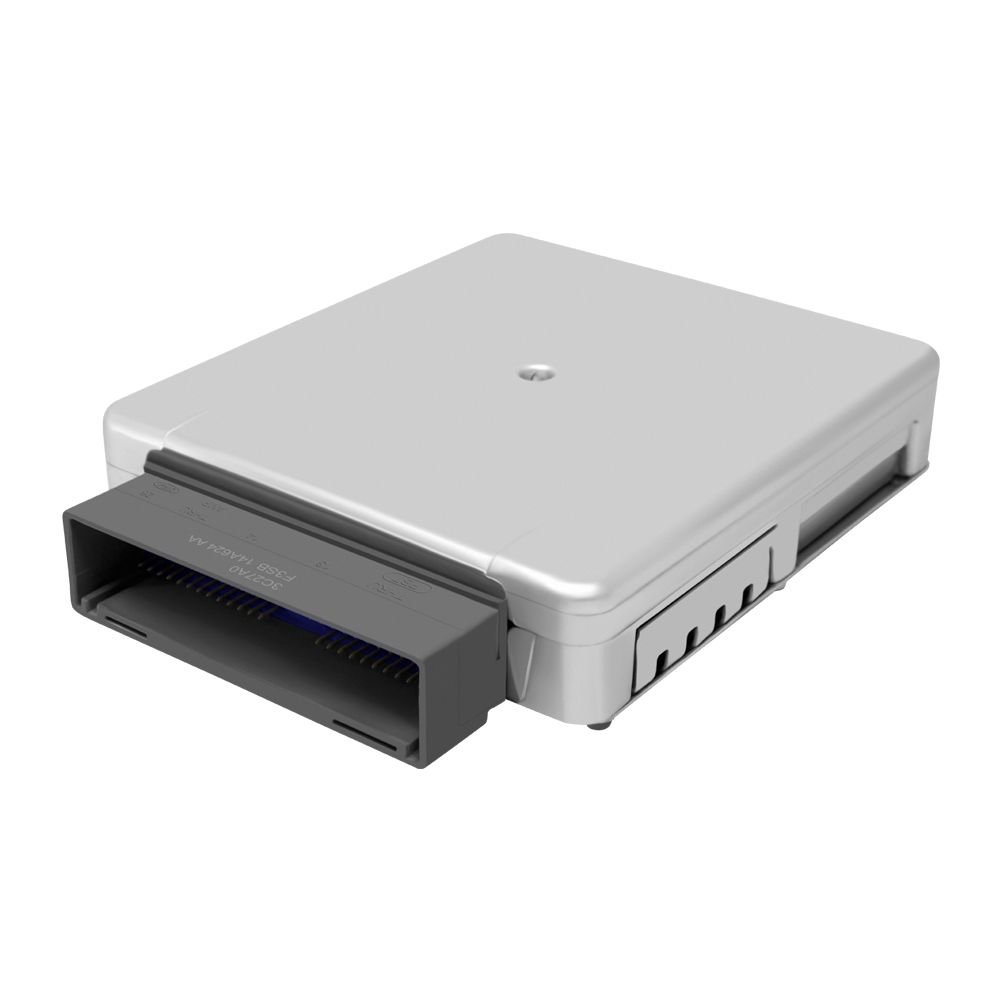
Flagship One stocks a refurbished, VIN-programmed PCM for the 2001 Ford Escort with a lifetime warranty, free shipping and no core charge. The full Ford Escort module lineup covers other engine configurations as well.
The 2001 Ford Escort 2.0L relies on its PCM and ECM for smooth operation. If these modules fail, replacement is a practical solution that restores performance. Keep your vehicle running reliably by addressing any warning lights promptly.