
Last updated on August 25th, 2026 at 01:39 pm
The Powertrain Control Module in your 1995 Ford Probe is the central computer managing the 2.0L engine’s fuel injection, ignition timing, and emission controls. It processes input from multiple sensors and adjusts operating parameters in real time. Electrical stress, heat cycling, and age-related solder joint degradation are primary failure mechanisms that can leave you stranded or dealing with chronic drivability problems.
If your 1995 Ford Probe has developed a no-start condition, randomly stalls at idle, or exhibits chronic misfire that resists conventional ignition and fuel-system repairs, the Powertrain Control Module may be the culprit. This guide explains what the PCM does in your specific vehicle, why it fails, the labor involved in replacement, and the programming requirements that follow. You will learn to recognize the common symptoms of module failure, understand the factory service procedure, and decide whether to pursue repair of your existing unit or source a pre-programmed replacement. The 1995 model year places this vehicle in the pre-OBD-II era, which affects diagnostic capabilities and replacement strategies compared to later probes. Whether you are performing the work yourself or discussing options with a professional technician, this information helps you make informed decisions about your Probe’s electronic heart.
The Powertrain Control Module in your 1995 Ford Probe serves as the brain of the powertrain, coordinating engine and transmission operations through a network of sensors and actuators. The 2.0L four-cylinder engine relies on the PCM to calculate optimal fuel injector pulse width, determine correct ignition advance, and manage the idle air control system. The module receives signals from the coolant temperature sensor, throttle position sensor, mass airflow sensor, and vehicle speed sensor, then uses this information to make instantaneous adjustments to keep the engine running smoothly under all operating conditions.
Unlike newer vehicles that separate engine and transmission control into distinct modules, the Probe’s integrated design means one unit handles both functions. This makes the PCM even more critical to vehicle operation, as a failure can affect not only engine performance but also shift quality and torque converter lockup. The module is mounted in the passenger compartment, typically behind the left kick panel, which provides some protection from engine bay heat but exposes it to moisture from HVAC condensate and potential corrosion at connector terminals. Over time, the internal capacitors and circuitry can degrade, leading to intermittent faults or complete failure. When searching for replacement engine computers for the Probe, you will find both new and refurbished options that may require different programming approaches.
Flagship One keeps Ford Probe replacement engine computers in stock for exactly this failure pattern.
1995 Ford Probe
OEM programmed ECM for your 1995 Ford Probe — plug & play, no dealer visit.
Free shipping · Lifetime warranty
The Powertrain Control Module on the 1995 Ford Probe is located inside the passenger compartment, typically behind the left side kick panel near the driver’s feet. Access requires removal of the interior trim piece, which involves pulling away carpeting and unscrewing the panel retention clips. Once exposed, the module sits in a mounting bracket with electrical connectors secured by locking tabs.
Replacement involves disconnecting the battery negative terminal first, then carefully unplugging the two or three multi-pin connectors that link the PCM to the vehicle harness. The module itself is held in place with several bolts, usually four to six depending on exact configuration. After removing the old unit, the new or refurbished PCM is seated in the same orientation and secured with the original fasteners. The book time for this R&R procedure ranges from 0.4 hours for a straightforward exchange to 0.9 hours if additional diagnostics or connector repair is required. Torque specifications for the mounting bolts are typically 80 to 100 inch-pounds, but always verify against your service manual. Reassembly follows in reverse order, ensuring all connectors click fully into place and the kick panel seats properly without gaps.
| Operation | Configuration | Book Time |
|---|---|---|
| Powertrain Control Module R&R | All configurations | 0.4 hr |
| Powertrain Control Module Relearn | All configurations | 0.5 hr |
| Engine Control Module R&R | All configurations | 0.9 hr |
After installing a replacement PCM in your 1995 Ford Probe, the factory procedure requires a relearn process to allow the new module to adapt to your vehicle’s specific engine characteristics. This procedure, which takes approximately 0.5 hours of book time, involves connecting a diagnostic scan tool and performing a calibration routine that teaches the PCM to recognize your engine’s sensors and actuators. The relearn process adjusts idle air control values, fuel trim learned values, and transmission adaptive shift tables to ensure smooth operation.
When you purchase a VIN-programmed replacement unit from Flagship One, the module arrives pre-programmed with your specific vehicle identification number already written to the memory. This means the relearn procedure is significantly shortened or in many cases eliminated entirely, because the PCM already understands it is installed in your particular Probe. You still need to reconnect the battery and allow the system to perform a brief self-check on startup, but the extensive calibration cycle that a brand-new unprogrammed unit would require is not necessary. This convenience reduces labor time and gets your vehicle back on the road faster.
Every VIN-programmed replacement unit from Flagship One arrives with these steps already completed.
The most dramatic symptom of PCM failure in a 1995 Ford Probe is a no-start condition where the engine cranks normally but receives no fuel or spark. This occurs when the module fails to activate the fuel pump relay or the ignition system. Less severe failures manifest as intermittent stalling, particularly at idle when the engine is warm and the idle air control demands precise adjustment. You may notice the engine runs roughly at low rpm but seems to improve as throttle opening increases, which suggests the PCM is struggling with idle control calculations.
Chronic misfire codes that cycle through multiple cylinders despite replacing spark plugs, wires, and even ignition coils often point to PCM problems. The module may be incorrectly reading sensor data or failing to properly modulate fuel delivery. Another common indicator is erratic transmission shifting, where the automatic gearbox hunts between gears or shifts harshly, because the PCM controls shift timing and line pressure. In some cases, the scan tool may fail to communicate with the vehicle at all, or display only partial data, which suggests the module’s diagnostic circuit has failed. These symptoms can also result from wiring issues or sensor failures, so proper diagnosis before replacing the PCM is essential to avoid unnecessary expense.
A used PCM from another vehicle will not work without programming to match your Probe’s VIN and calibration. Additionally, used units carry the same risk of internal failure that caused the original to fail. A refurbished unit from a reputable supplier typically offers better reliability with pre-programmed VIN matching.
This pattern suggests a temperature-related PCM failure, where internal components operate correctly when cold but fail as heat increases. The issue may also stem from a failing coolant temperature sensor that sends incorrect data to the PCM, so diagnostic testing before replacement is recommended.
Pre-OBD-II vehicles like the 1995 Probe require a scan tool capable of manufacturer-specific protocols, not the standard OBD-II interface found on most generic tools. A professional-grade scan tool or a factory-level diagnostic system is necessary to access the PCM’s internal codes and relearn procedures.
Because the integrated PCM controls both engine and transmission functions, a faulty module can indeed cause shifting issues. However, transmission mechanical problems or low fluid can also cause similar symptoms, so a thorough diagnosis of both the PCM and the gearbox is necessary before assuming the module is at fault.
Repairing an original PCM is possible for certain specific failures like failed capacitors or damaged connectors, but the cost of professional repair plus the uncertainty of the outcome often approaches the price of a quality refurbished replacement. For the 1995 Probe, replacement is often the more practical approach unless the unit has significant sentimental value.
When your 1995 Ford Probe requires PCM attention, you have two primary paths forward. Repairing your existing module can be cost-effective for specific electrical faults, though it requires professional assessment and carries no guarantee of long-term reliability. Alternatively, sourcing a pre-programmed replacement unit that arrives ready to install eliminates the programming step and reduces labor time. Consider your vehicle’s overall condition, your budget, and how soon you need reliable transportation when making this decision.
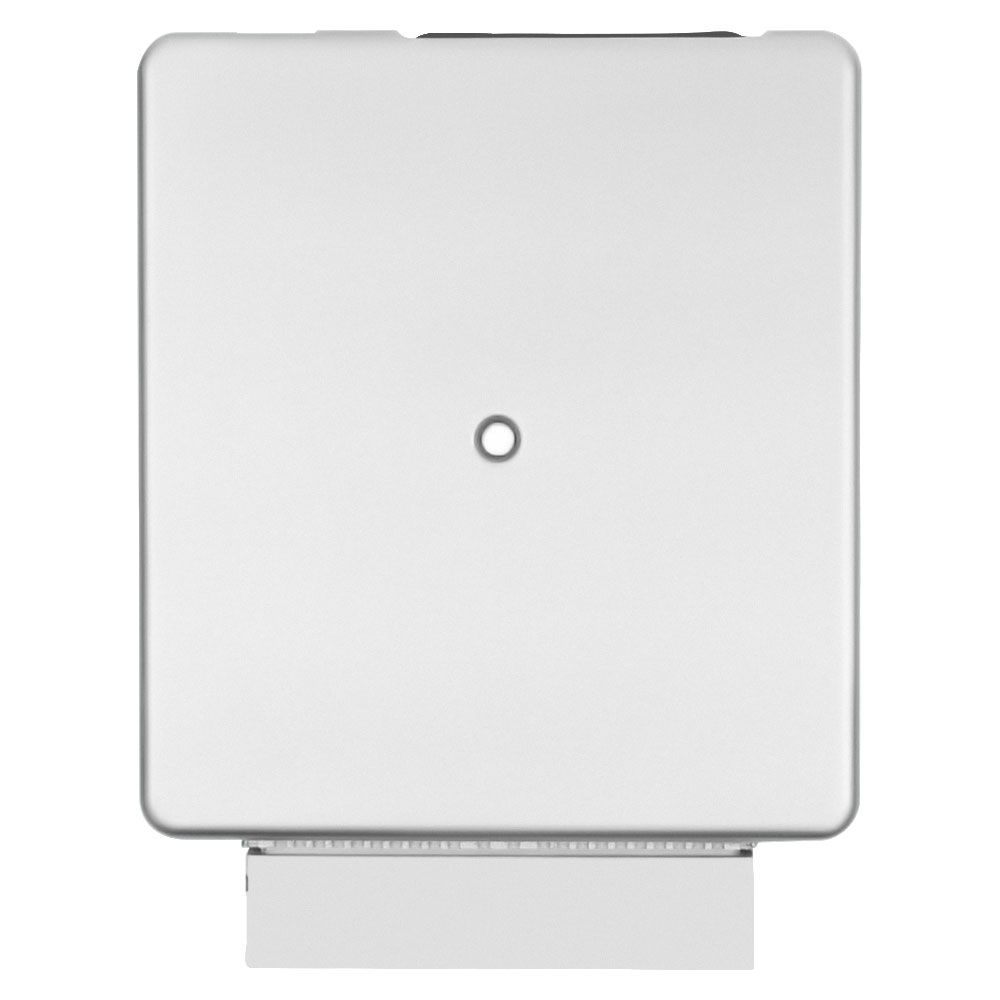
Flagship One stocks a refurbished, VIN-programmed PCM for the 1995 Ford Probe with a lifetime warranty, free shipping and no core charge. The full Ford Probe module lineup covers other engine configurations as well.
The 1995 Ford Probe relies on its Powertrain Control Module for essential engine and transmission coordination, and failure of this component can leave you stranded or dealing with persistent drivability issues. Whether you pursue repair or replacement, understanding the labor involved, the programming requirements, and the symptoms to watch for helps you navigate the process with confidence. Take action promptly when warning signs appear to avoid more extensive damage to your Probe’s systems.