
Last updated on August 25th, 2026 at 01:40 pm
The engine control module in your 1993 Ford Probe manages fuel delivery, ignition timing, and emissions systems. When it fails, you may experience stalling, poor performance, or a complete no-start condition. This pre-OBD-II vehicle relies on a single module to coordinate engine functions.
If your 1993 Ford Probe is running poorly or refusing to start, the engine control module (ECM) may be the culprit. Unlike modern vehicles with standardized OBD-II diagnostics, your Probe relies on a single, pre-OBD-II computer to manage fuel injection, ignition timing, and emissions controls. When this module fails, symptoms can range from subtle performance issues to a complete no-start condition. Replacing it involves accessing the module, removing the old unit, and installing a new one—though factory procedures require additional steps to ensure proper operation. Understanding the role of the ECM, common failure signs, and the replacement process can help you make an informed decision about repairs. Whether you opt for a refurbished unit or a new replacement, knowing what to expect can save time and frustration. This guide covers the essentials of the 1993 Ford Probe’s engine computer, from symptoms to installation and beyond.
1993 Ford Probe 2.0L: When the
OEM programmed replacements — plug & play, no dealer visit.
Find yours by year, make & model →
Free shipping · Lifetime warranty
The engine control module in your 1993 Ford Probe serves as the brain of the engine management system. It continuously monitors inputs from sensors, such as the throttle position sensor, coolant temperature sensor, and oxygen sensor, to adjust fuel delivery and ignition timing for optimal performance. This ensures the engine runs efficiently while meeting emissions standards. Without a functioning ECM, your Probe may struggle to start, idle roughly, or stall unexpectedly. The module also plays a role in managing the transmission’s shift points, though its primary focus remains engine operation. Over time, heat, vibration, and electrical issues can degrade the ECM, leading to intermittent or permanent failures. When replacement becomes necessary, you’ll need replacement engine computers for the Probe that are compatible with your vehicle’s 2.0L engine. These modules must match the original specifications to ensure proper function, as even minor discrepancies can result in poor performance or drivability issues.
In the 1993 Ford Probe, the engine control module is located inside the passenger compartment, typically mounted behind the dashboard or near the glove box. Accessing it requires removing interior trim panels, which may involve unscrewing fasteners and carefully prying apart plastic clips. Once exposed, the module is secured with a connector and mounting bolts. Disconnecting the battery before removal is recommended to prevent electrical shorts or damage to the new unit. Reinstallation follows the reverse process: securing the module, reconnecting the wiring harness, and reassembling the interior trim. According to factory labor estimates, replacing the engine control module takes approximately 0.9 hours, while swapping the powertrain control module (if applicable) may require 0.4 hours. These times do not include additional steps like relearn procedures, which are necessary when using a non-pre-programmed unit.
| Operation | Configuration | Book Time |
|---|---|---|
| Engine Control Module R&R | All configurations | 0.9 hr |
| Powertrain Control Module R&R | All configurations | 0.4 hr |
| Powertrain Control Module Relearn | All configurations | 0.5 hr |
After replacing the engine control module in your 1993 Ford Probe, the factory procedure requires a relearn process to synchronize the new unit with the vehicle’s systems. This typically involves a 0.5-hour procedure where the module adapts to the engine’s characteristics, such as fuel trim and idle settings. However, if you install a VIN-programmed replacement unit, these steps are already completed at the factory. This eliminates the need for additional programming or relearn procedures, allowing your Probe to start and run correctly immediately after installation. Using a pre-programmed module saves time and reduces the risk of errors during the relearn process, which can sometimes lead to poor performance or drivability issues if not performed correctly.
A failing engine control module in your 1993 Ford Probe may cause a variety of symptoms, often mimicking other mechanical or electrical issues. One of the most common signs is a no-start condition, where the engine cranks but fails to fire. Stalling or rough idling, especially when the engine is warm, can also indicate ECM problems. You might notice poor acceleration, hesitation, or surging, as the module struggles to adjust fuel delivery and ignition timing. In some cases, the transmission may shift erratically or fail to engage properly, though this is less common. Electrical issues, such as flickering dashboard lights or intermittent power loss, may also point to a failing ECM. If the module is completely dead, your Probe may not communicate with a scan tool at all, making diagnosis more challenging. While these symptoms can overlap with other problems, such as a faulty fuel pump or ignition system, persistent issues often lead back to the engine computer. If you encounter a memory checksum error, it typically confirms an internal ECM failure, requiring replacement to restore proper function.
Stalling when warm is often linked to the engine control module failing to adjust fuel delivery or ignition timing correctly. As the ECM heats up, internal components may degrade, leading to erratic engine behavior. Replacing the module with a pre-programmed unit can resolve this issue.
Driving with a failing ECM is risky, as it may cause sudden stalling, poor performance, or even a no-start condition. If the module is intermittently failing, you might experience unpredictable behavior, which can be dangerous. Replacement is recommended to restore reliable operation.
Common signs include a no-start condition, rough idling, stalling, or poor acceleration. If the vehicle fails to communicate with a scan tool, the ECM may be completely dead. A memory checksum error, such as P0601, often confirms an internal module failure.
Replacing the ECM in your Probe is straightforward if you’re comfortable with basic mechanical work. The module is located behind the dashboard, requiring removal of interior trim panels. Factory labor estimates suggest the job takes less than an hour, though additional time may be needed for relearn procedures unless using a pre-programmed unit.
Yes, the factory procedure requires a relearn process after installation to synchronize the new module with the vehicle’s systems. However, if you install a VIN-programmed replacement unit, this step is unnecessary, as the module arrives ready to use.
If your 1993 Ford Probe is experiencing symptoms of a failing engine control module, you have options for replacement. A refurbished unit can be a cost-effective solution, though it may require additional programming steps. Alternatively, a new, VIN-programmed replacement eliminates the need for relearn procedures, ensuring your Probe runs smoothly right after installation. Consider your budget and time constraints when deciding which route to take.
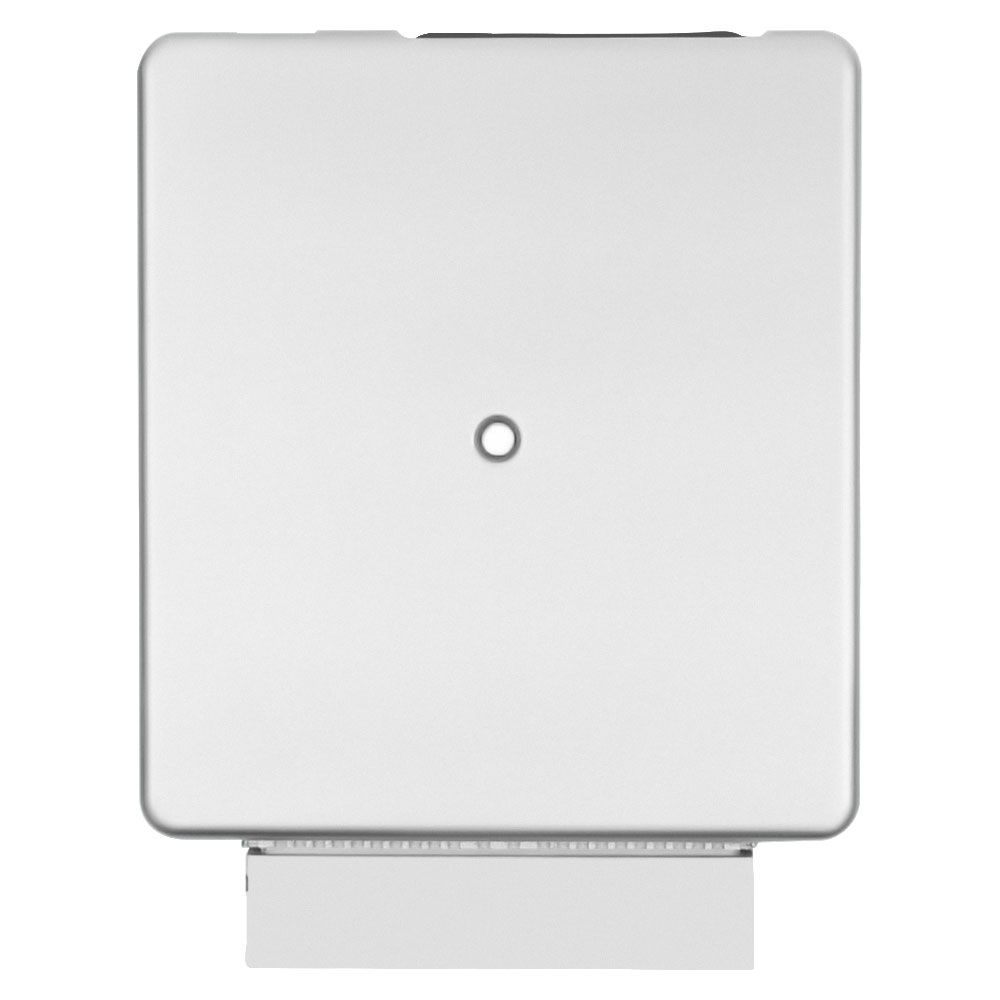
Flagship One stocks a refurbished, VIN-programmed PCM for the 1993 Ford Probe with a lifetime warranty, free shipping and no core charge. The full Ford Probe module lineup covers other engine configurations as well.
The engine control module in your 1993 Ford Probe plays a critical role in managing engine performance and drivability. When it fails, symptoms like stalling, rough idling, or a no-start condition can leave you stranded. Replacing the module with a pre-programmed unit simplifies the process, saving time and reducing the risk of errors. Whether you opt for a refurbished or new replacement, addressing ECM issues promptly can restore your Probe’s reliability and performance.