
Last updated on August 25th, 2026 at 01:15 pm
In the 1995 Ford Bronco the Powertrain Control Module (PCM) manages engine and transmission operations. A failure can cause loss of sensor signals, harsh shifting, and loss of driveability, while the backup programs keep the engine running at reduced capability.
When a 1995 Ford Bronco begins to shift harshly or the transmission control indicator lamp flashes, the Powertrain Control Module often becomes the focus of diagnosis. This guide explains what the PCM does in this vehicle, how you can recognize its failure, and what to expect from a replacement. By the end, you will understand the labor involved, the required relearn steps, and how a Flagship One unit can simplify the process, helping you decide between a new OEM part and a refurbished alternative.
The Powertrain Control Module in a 1995 Ford Bronco serves as the central computer that coordinates engine timing, fuel delivery, and transmission shift logic. It receives input from numerous sensors and sends commands to actuators, ensuring smooth power delivery and gear changes. When a sensor signal is lost, the PCM’s backup programs allow the engine to keep running, but performance may degrade. Understanding this role clarifies why a malfunction often triggers harsh shifts or a flashing TCIL. The module’s reliability is essential for maintaining drivability, and a failure may also set an identification code that points to the fault. For owners seeking a swap, the market offers replacement powertrain modules that match the original specifications.
1995 Ford Bronco
OEM programmed replacements — plug & play, no dealer visit.
Find yours by year, make & model →
Free shipping · Lifetime warranty
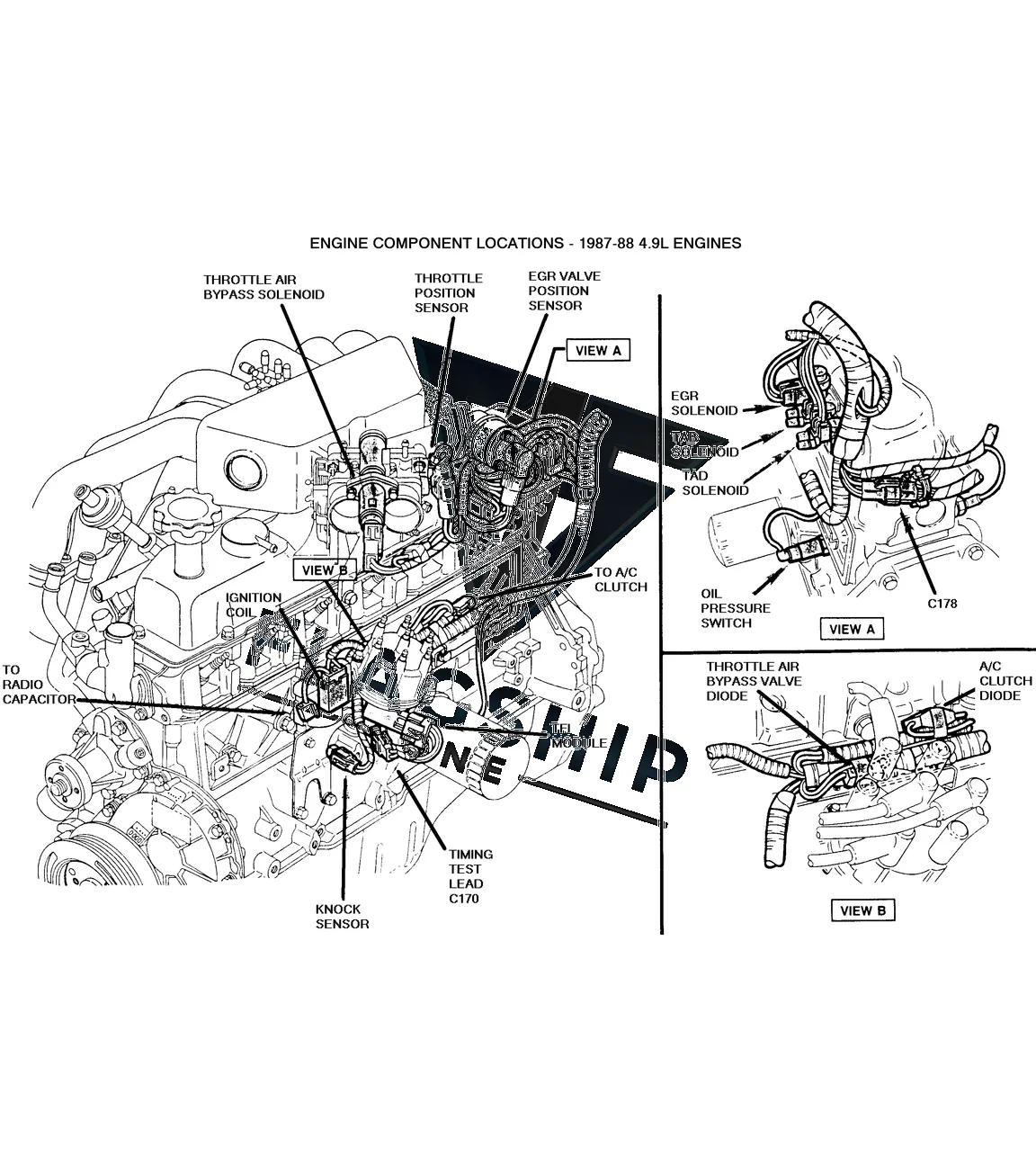
The PCM sits within the engine compartment, typically mounted near the firewall on the driver’s side of the 1995 Ford Bronco. Access usually requires removal of a few fasteners and the connector harness. The book time for removing and reinstalling the PCM is listed as 1.0 hours. After the unit is secured, reconnecting the electrical plug and verifying torque are the primary steps. Because the vehicle predates OBD‑II, no additional diagnostic equipment is needed for the physical install beyond the standard tools.
| Operation | Configuration | Book Time |
|---|---|---|
| Powertrain Control Module R&R | All configurations | 1.0 hr |
| Powertrain Control Module Relearn | All configurations | 0.5 hr |
| Engine Control Module Relearn | All configurations | 0.5 hr |
| Engine Control Module R&R | All configurations | 1.5 hr |
Factory service procedures call for a Powertrain Control Module relearn that takes 0.5 hours after the unit is installed, followed by an Engine Control Module relearn of another 0.5 hours. Together, these steps ensure the new computer recognizes sensor inputs and calibrates shift timing. A Flagship One offering provides a VIN-programmed replacement unit that arrives already matched to your vehicle’s identification, so the relearn operations are already completed, removing the need for on‑site programming.
Owners of a 1995 Ford Bronco may notice several warning signs when the PCM is deteriorating. Common symptoms include a no‑start condition, intermittent stalling, misfire codes appearing on a scan tool, and loss of communication with diagnostic equipment. Transmission‑related issues such as harsh shifting or a flashing transmission control indicator lamp also point to PCM trouble. In many cases the fault registers as code 62 fault in the vehicle’s continuous memory, indicating a specific transmission control problem that aligns with factory service bulletins.
Service bulletin #94-02-26 (TSB 94-02-26) describes a diagnostic trouble code 62 that remains in continuous memory, resulting in harsh shifts, transmission issues, and a flashing transmission control indicator lamp on vehicles built before January 3, 1994.
| Bulletin | Subject | What It Addresses |
|---|---|---|
| 94-02-26 | DIAGNOSTIC TROUBLE CODE (DTC) 62 IN CONTINUOUS MEMORY – HARSH SHIFTS – TRANSMISSION – TRANSMISS | — |
Yes, the PCM controls shift timing and can trigger harsh shifts or a flashing transmission lamp when it fails. Replacing the module often resolves those symptoms.
Standard hand tools are sufficient for the removal and installation. No OBD‑II scanner is required because the vehicle predates that system.
The factory process includes a PCM relearn for 0.5 hours and an ECM relearn for another 0.5 hours. A VIN‑programmed replacement eliminates these steps.
Not always, but in a 1995 Ford Bronco the flash often correlates with PCM‑related codes such as DTC 62, especially on pre‑1994 builds.
Labor time is typically listed as 1.0 hour for the physical swap, plus additional time for the relearn procedures if the unit is not pre‑programmed.
When the PCM in your 1995 Ford Bronco needs attention, you can choose a brand‑new factory part or a refurbished unit that meets original specifications. Both options restore the vehicle’s control logic, but a Flagship One refurbished module arrives pre‑programmed, which can save you the post‑install relearn steps and reduce overall downtime.
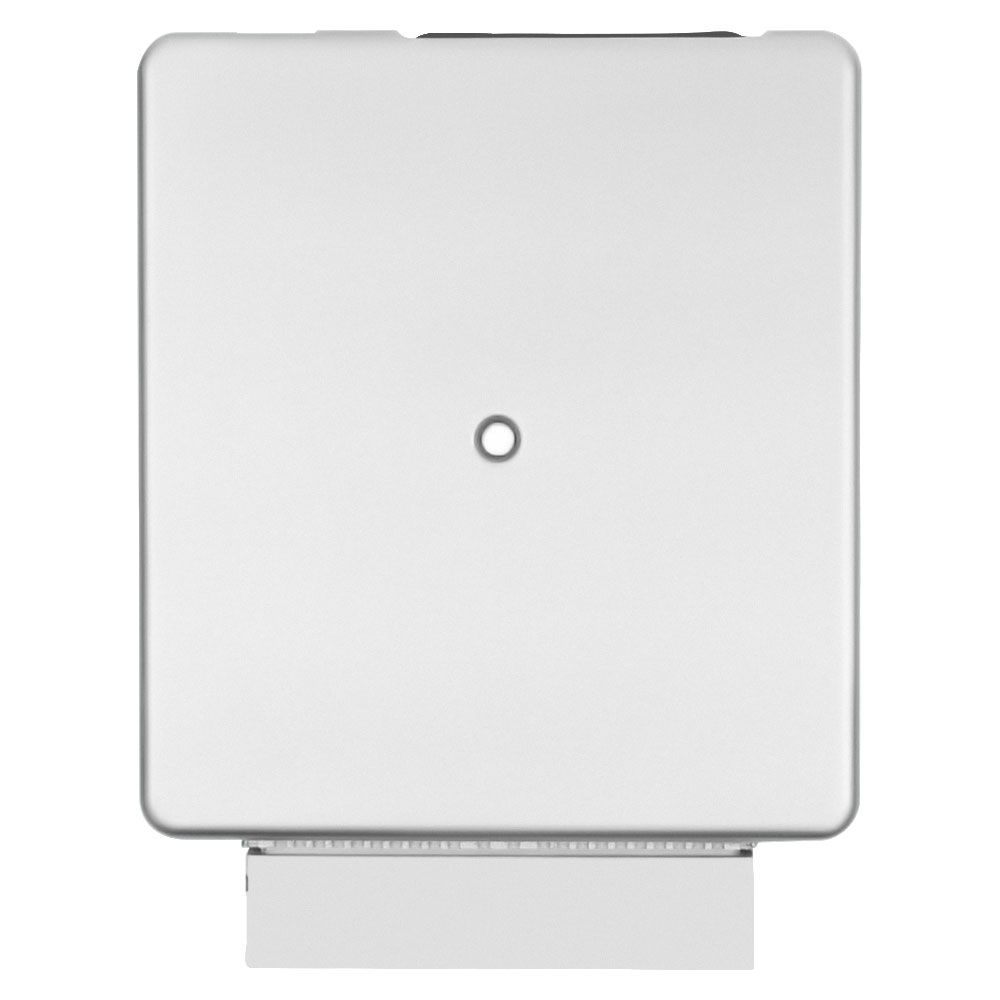
Flagship One stocks a refurbished, VIN-programmed PCM for the 1995 Ford Bronco with a lifetime warranty, free shipping and no core charge. The full Ford Bronco module lineup covers other engine configurations as well.
Replacing the Powertrain Control Module in a 1995 Ford Bronco can restore smooth shifting and reliable engine performance. Consider your repair options and choose the solution that best fits your schedule and budget.