
Last updated on August 25th, 2026 at 01:41 pm
The Powertrain Control Module (PCM) on your 1990 Ford Bronco is the central computer managing engine timing, fuel delivery, transmission shifting, and emissions systems. When this unit fails, the engine may run in a limited backup mode or not at all.
If your 1990 Ford Bronco with the 4.9L inline-six engine won’t start, runs poorly, or shows no communication with a scan tool, the Powertrain Control Module could be the culprit. The PCM serves as the brain of your vehicle’s powertrain, overseeing critical functions that keep the engine running smoothly and the transmission shifting properly. Unlike newer vehicles with extensive onboard diagnostics, this pre-OBD-II generation relies on a simpler but still essential control strategy that can be affected by module age, electrical stress, or connector issues. Understanding what the control module does, where it is located, and what the replacement process involves helps you make informed decisions about repair versus replacement options. This guide walks through the function of the module in your specific Bronco, common failure symptoms, the factory service procedure, and practical steps to protect this critical component from premature failure.
The Powertrain Control Module in your 1990 Ford Bronco is the primary computer responsible for managing the engine and transmission as a unified system. Unlike vehicles that separate engine and transmission controls into distinct units, this generation of Bronco uses a single integrated module that handles fuel injection timing, spark advance, idle speed, transmission shift points, and emissions control device operation. The module receives input from multiple sensors throughout the engine compartment, including the coolant temperature sensor, throttle position sensor, and oxygen sensors, then uses this information to calculate the optimal air-fuel mixture and timing for current driving conditions. What makes this unit particularly important is the Failure Mode Effects Management strategy programmed into the module. If a critical sensor fails or sends an out-of-range signal, the PCM switches to a predefined backup program that allows the engine to continue running in a degraded but functional state. This means your Bronco might still operate even with a faulty sensor, though performance will suffer. The module also stores internal fault codes that identify which circuits have experienced problems, though these codes often require specialized diagnostic equipment to retrieve. Given that this computer interfaces with virtually every major system in your vehicle, a failing PCM can manifest through dozens of seemingly unrelated symptoms ranging from hard starting to erratic shifting behavior. Replacement engine computers for the 1990 Ford Bronco are available from specialty suppliers who program each unit with your specific vehicle identification number before shipping.
Flagship One keeps Ford Bronco replacement engine computers in stock for exactly this failure pattern.
1990 Ford Bronco
OEM programmed ECM for your 1990 Ford Bronco — plug & play, no dealer visit.
Free shipping · Lifetime warranty
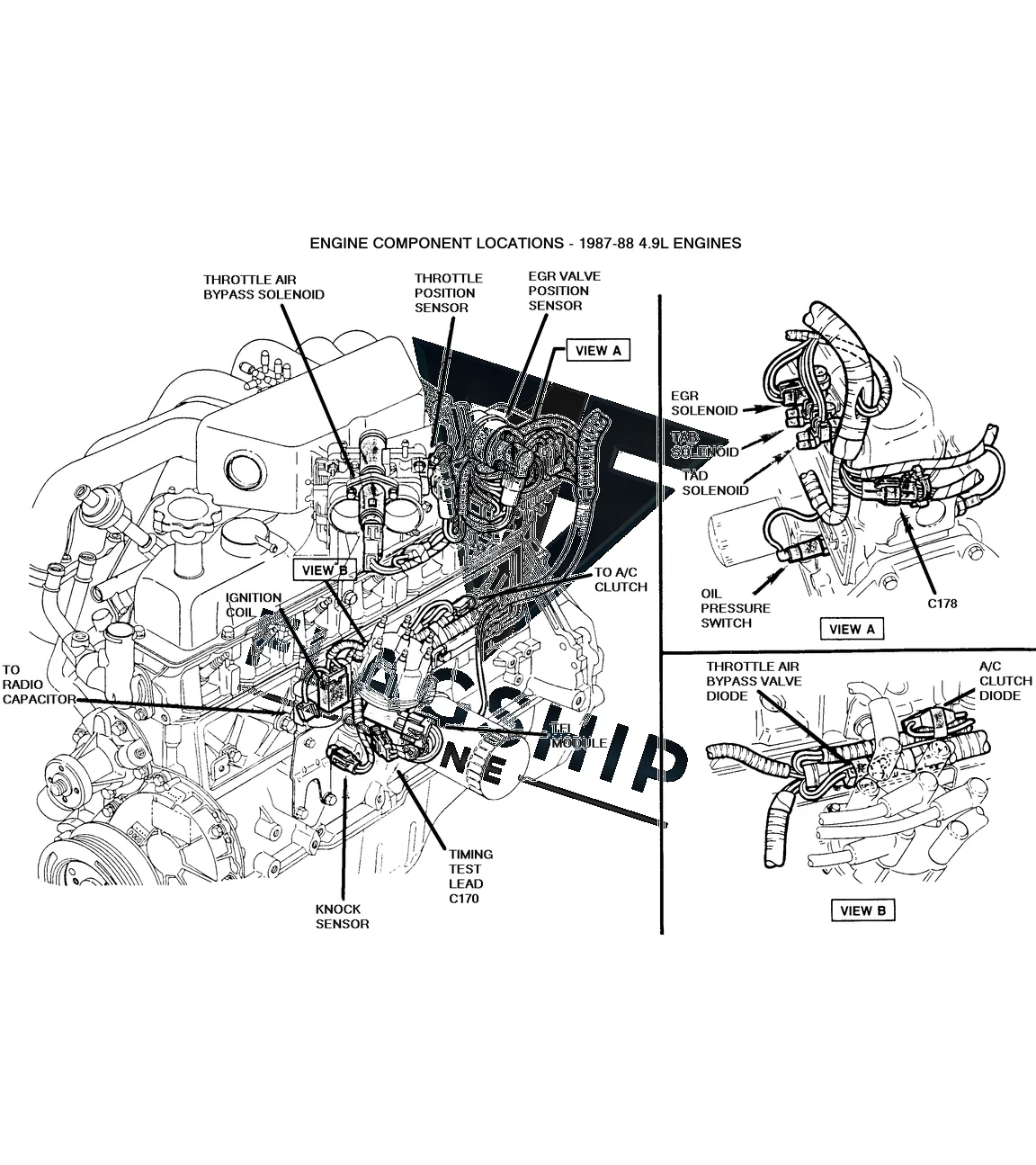
The Powertrain Control Module on a 1990 Ford Bronco is mounted in the engine compartment, typically on the driver’s side near the firewall or on the inner fender panel depending on the exact production batch. Accessing the module requires opening the hood and removing any covering panels or components that obstruct the mounting location. The unit itself is housed in a metal enclosure with a multi-pin electrical connector that links to the vehicle wiring harness. Replacement involves disconnecting the battery negative terminal first as a safety measure, then unplugging the harness connector from the old module and removing the mounting hardware. The labor guide specifies approximately 0.9 hours for the remove-and-replace procedure on this model. Once the new module is secured and connected, the electrical connections should be verified as fully seated and protected from moisture intrusion. Given the age of these vehicles, it’s advisable to inspect the wiring harness connector for corrosion, cracked seals, or damaged pins during the replacement process, as these conditions can cause premature failure of even a new module. After installation, the vehicle will require additional time for the relearn procedure before full functionality is restored.
| Operation | Configuration | Book Time |
|---|---|---|
| Powertrain Control Module R&R | Bronco | 0.9 hr |
| Powertrain Control Module R&R | Bronco II | 0.9 hr |
| Powertrain Control Module Relearn | Bronco | 0.5 hr |
| Powertrain Control Module Relearn | Bronco II | 0.5 hr |
| Engine Control Module Relearn | All configurations | 0.5 hr |
| Engine Control Module R&R | Bronco | 0.9 hr |
| Engine Control Module R&R | Bronco II | 0.9 hr |
After installing a replacement Powertrain Control Module in your 1990 Ford Bronco, the factory service procedure requires a relearn process to calibrate the new unit to your specific vehicle. This procedure involves the technician using a scan tool or following a specific key-on key-off sequence that allows the module to learn the unique characteristics of your engine’s sensors and actuators. The book time for this relearn procedure is 0.5 hours, and it must be completed before the vehicle will run optimally. Without this step, the engine may run roughly, exhibit poor throttle response, or experience transmission shifting problems because the module is operating with default calibration data rather than values tuned to your particular engine. Flagship One addresses this requirement by programming each replacement unit with your vehicle identification number before it ships. This means the module arrives pre-configured for your Bronco, eliminating the need for manual programming at your location. However, a basic idle relearn or idle air volume reset may still be recommended by the installer to ensure the throttle body adaptation values are current. The key advantage of receiving a VIN-programmed replacement unit is that the critical calibration data is already matched to your vehicle, reducing the risk of drivability issues immediately after installation.
Every VIN-programmed replacement unit from Flagship One arrives with these steps already completed.
When the Powertrain Control Module on a 1990 Ford Bronco begins to fail, the symptoms can range from subtle performance quirks to complete vehicle disablement. One of the most common indicators is a no-start condition where the engine cranks normally but fails to ignite, often accompanied by a check engine light that may not illuminate due to the module’s internal fault. Another frequent symptom is intermittent stalling, where the engine suddenly dies while driving and may restart after a brief period, suggesting the module is losing its ability to maintain proper fuel delivery or spark timing. Misfire conditions, where the engine runs rough or feels like it’s skipping cylinders, frequently occur when the module cannot properly control the fuel injection pulse width or spark advance. In some cases, the transmission may exhibit harsh shifting, failure to shift into overdrive, or engagement slippage because the module controls shift solenoids and line pressure. A dead scan-tool communication scenario is particularly telling—if your diagnostic scanner cannot establish a link with the vehicle’s control module, the PCM itself is likely the problem rather than an individual sensor. Additional symptoms may include fluctuating idle speed, unresponsiveness to throttle input, and the activation of the module’s backup strategy indicated by a persistent check engine light even after clearing codes. Any combination of these issues on your Bronco should prompt investigation of the Powertrain Control Module as a potential root cause.
A used PCM may work initially, but it likely won’t be programmed for your specific vehicle identification number, which can cause drivability issues. Additionally, you won’t know the history of the used unit, and it may fail soon after installation. Sourcing a replacement that is pre-programmed with your VIN ensures proper calibration from the start.
These terms are often used interchangeably for this vehicle. The Powertrain Control Module and Engine Control Module refer to the same unit that manages both engine and transmission functions. Some documentation may use ECM while others reference PCM, but they describe the identical integrated control unit found in your Bronco.
While a weak battery alone typically won’t destroy the PCM, chronic low voltage conditions from an undersized or failing battery can stress the module over time. The charging system works harder to compensate, and voltage fluctuations can corrupt the module’s memory or cause erratic sensor readings that the PCM cannot properly interpret.
Standard OBD-II scan tools may not establish communication with pre-OBD-II vehicles like the 1990 Bronco. You may need a generic OBD-I scanner or a manufacturer-specific code reader. If the tool shows no connection or displays an error message after attempting to communicate, the PCM itself could be the problem rather than a simple sensor fault.
Repair options for these older modules are limited compared to simply replacing with a programmed unit. The internal circuitry is not designed for component-level repair, and attempts to do so often introduce reliability issues. Most owners find that replacing with a VIN-programmed unit provides the most dependable results.
When your 1990 Ford Bronco’s Powertrain Control Module fails, you face a choice between repair and replacement. Given the age of this vehicle and the complexity of its electronic architecture, a quality replacement unit programmed with your specific VIN offers the most reliable path forward. Flagship One specializes in providing precisely matched replacement modules that arrive ready for installation, eliminating the guesswork and potential complications of sourcing an unprogrammed unit. Whether you handle the installation yourself or rely on a professional mechanic, understanding the module’s role and the procedure involved helps ensure your Bronco returns to reliable operation.
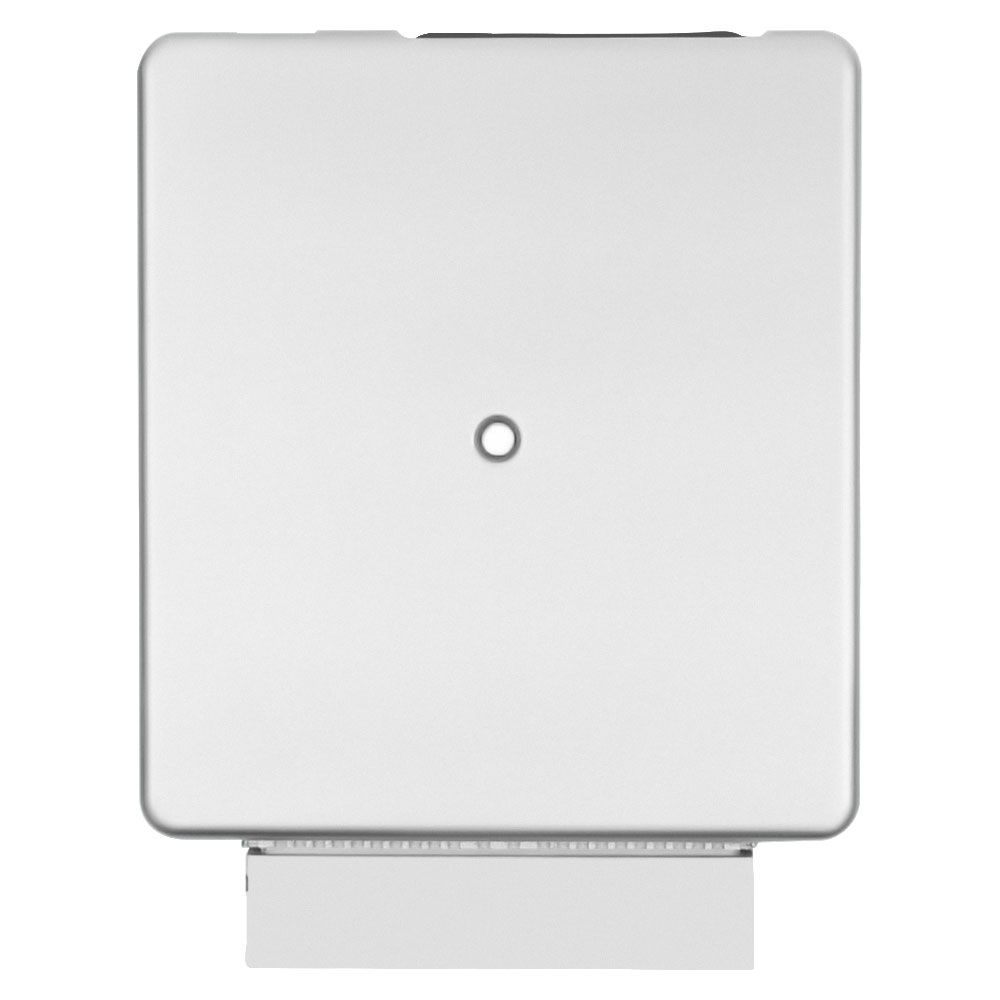
Flagship One stocks a refurbished, VIN-programmed PCM for the 1990 Ford Bronco with a lifetime warranty, free shipping and no core charge. The full Ford Bronco module lineup covers other engine configurations as well.
The Powertrain Control Module is the central nervous system of your 1990 Ford Bronco, coordinating engine operation, transmission shifting, and emissions controls into a seamless driving experience. When this component fails, the vehicle may continue operating in a limited capacity thanks to its built-in backup strategy, but professional diagnosis and quality replacement are essential for restoring full functionality. Whether you choose a programmed replacement unit from a specialist supplier or explore other options, addressing PCM issues promptly helps prevent secondary damage and gets your Bronco back on the road with confidence.