
Last updated on August 25th, 2026 at 01:15 pm
The powertrain control module in the 1994 Ford Aspire manages fuel delivery and ignition timing for the 1.3L engine. When this unit fails, the engine may refuse to start, stall unexpectedly, or run poorly because the computer can no longer process sensor inputs or command actuators correctly.
Owners of the 1994 Ford Aspire with the 1.3L engine occasionally face drivability problems that trace back to the powertrain control module, the computer responsible for coordinating fuel injection and spark timing. Because this vehicle predates OBD-II standardization, diagnostic trouble codes are not available to confirm a module fault, making symptom recognition and systematic testing essential. This guide explains what the module does, where it lives, how much labor the factory manual allocates for removal and reinstallation, and what relearn steps the original procedure demands. You will also learn why a VIN-programmed replacement from Flagship One eliminates the need for dealer-level programming equipment. Whether you are a professional technician or an experienced DIYer, the information here helps you decide between repair, refurbishment, or a ready-to-install replacement so your Aspire returns to dependable service.
The powertrain control module in the 1994 Ford Aspire serves as the central brain for the 1.3L engine management system, continuously monitoring sensors such as the throttle position sensor, coolant temperature sensor, and manifold absolute pressure sensor to calculate precise fuel injector pulse width and ignition advance. It also controls the idle air control valve, fuel pump relay, and evaporative emissions solenoid, ensuring smooth idle, responsive acceleration, and minimal emissions. When the module develops internal faults — often due to age-related solder joint fatigue, capacitor degradation, or water intrusion — the engine may crank without starting, stall at idle, hesitate under load, or exhibit erratic idle speed. Because this vehicle uses Ford’s EEC-IV system rather than OBD-II, the module does not store standardized P-codes; instead, technicians must rely on breakout box testing, sensor voltage verification, and symptom correlation. A failed module cannot be repaired economically in most shops, so replacement with a replacement engine computers for the Aspire that matches the original calibration is the typical solution. The replacement must carry the correct hardware code and software strategy for the 1.3L automatic or manual transmission variant, otherwise drivability issues will persist even after installation.
1994 Ford Aspire
OEM programmed ECM for your 1994 Ford Aspire — plug & play, no dealer visit.
Free shipping · Lifetime warranty
The powertrain control module on the 1994 Ford Aspire is mounted inside the passenger compartment, attached to the lower dash panel on the passenger side near the glovebox. Access requires removing the glovebox assembly and the lower finish panel to expose the module connector and mounting bolts. Factory labor time for removal and installation of the PCM is listed at 0.4 hours, while the engine control module — a separate unit in this architecture — calls for 0.9 hours for the same operation. Both times assume a trained technician with proper tools and no complications such as corroded fasteners or damaged wiring harness connectors. The module connectors use locking tabs that must be released carefully to avoid breaking the plastic housing. No torque specification is provided for the mounting bolts in the factory data, but they should be snugged to prevent vibration without stripping the threads in the dash bracket. After physical installation, the factory procedure requires a relearn process for each module before the vehicle is returned to service.
Work with the ignition off, and treat the module as static-sensitive: avoid touching the connector pins at any point.
| Operation | Configuration | Book Time |
|---|---|---|
| Powertrain Control Module R&R | All configurations | 0.4 hr |
| Powertrain Control Module Relearn | All configurations | 0.5 hr |
| Engine Control Module Relearn | All configurations | 0.5 hr |
| Engine Control Module R&R | All configurations | 0.9 hr |
After a new or remanufactured module is installed in the 1994 Ford Aspire, the factory service manual calls for a powertrain control module relearn procedure lasting 0.5 hours and an engine control module relearn procedure also lasting 0.5 hours. These steps involve cycling the ignition key through specific on-off sequences while monitoring the check engine light or using a dedicated Ford scan tool to confirm that the module has learned the idle air control valve position, throttle position sensor closed-throttle voltage, and fuel trim baseline. Because the Aspire uses the EEC-IV system, the relearn cannot be performed with generic OBD-II equipment. Flagship One eliminates this requirement by supplying a VIN-programmed replacement unit that arrives pre-loaded with the exact calibration for your vehicle identification number, including transmission type and emissions certification. The module initializes its adaptive memory during the first few drive cycles, so the technician can simply install it, clear any stored codes with a compatible scanner, and verify normal operation without dedicating shop time to the factory relearn routine.
When the powertrain control module in a 1994 Ford Aspire begins to fail, the symptoms often appear intermittently at first, making diagnosis challenging. The most common complaint is a crank-no-start condition where the engine turns over but never fires, caused by the module losing the ability to pulse the fuel injectors or trigger the ignition coil. Stalling at idle or when coming to a stop is another frequent sign, typically resulting from the idle air control driver circuit failing inside the module. Hesitation or surging during light acceleration may indicate corrupted fuel map data or a failing analog-to-digital converter within the processor. The check engine light may illuminate unpredictably or not at all, since the EEC-IV system lacks the comprehensive self-diagnostics of later OBD-II vehicles. Dead communication with a Ford-specific scan tool — where the tool cannot establish a data link — strongly suggests a module power supply or ground fault, or an internal microprocessor failure. Rough idle that does not respond to base idle adjustment, coupled with fixed fuel trim values, also points to module degradation. Because these symptoms overlap with sensor and wiring faults, thorough circuit testing is necessary before condemning the computer.
Common signs include crank-no-start, stalling at idle, loss of scan tool communication, and erratic idle that does not respond to adjustment. Because this vehicle uses the pre-OBD-II EEC-IV system, there are no standardized trouble codes to read; diagnosis requires sensor voltage checks, breakout box testing, and ruling out wiring faults before condemning the module.
A used module must match the exact hardware part number, software calibration code and software strategy for your 1.3L engine and transmission combination. Even with a matching part, the adaptive memory will be incorrect for your engine, requiring the factory relearn procedure. A VIN-programmed replacement avoids these complications.
The factory relearn requires a Ford-specific scan tool capable of communicating with the EEC-IV system, such as the NGS or WDS. Generic OBD-II scanners cannot perform this function. If you install a Flagship One VIN-programmed unit, the relearn is not required because the module arrives calibrated for your vehicle.
The module is mounted on the passenger-side lower dash panel behind the glovebox. Access requires removing the glovebox and lower trim panel to reach the connector and mounting bolts.
Yes, this model uses a powertrain control module for engine management and a separate engine control module for specific functions; the factory labor times differ at 0.4 hours for PCM R&R and 0.9 hours for ECM R&R, with each requiring its own 0.5-hour relearn procedure.
When the module in your 1994 Ford Aspire fails, you can choose between sending the original unit to a specialist for circuit-level repair, sourcing a used module that still requires programming and relearn, or installing a VIN-matched replacement that arrives ready to bolt in. Repair costs and turnaround times vary, and used units carry unknown service history. A calibrated replacement eliminates the need for dealer equipment and the 0.5-hour relearn per module, returning your Aspire to the road with minimal downtime.
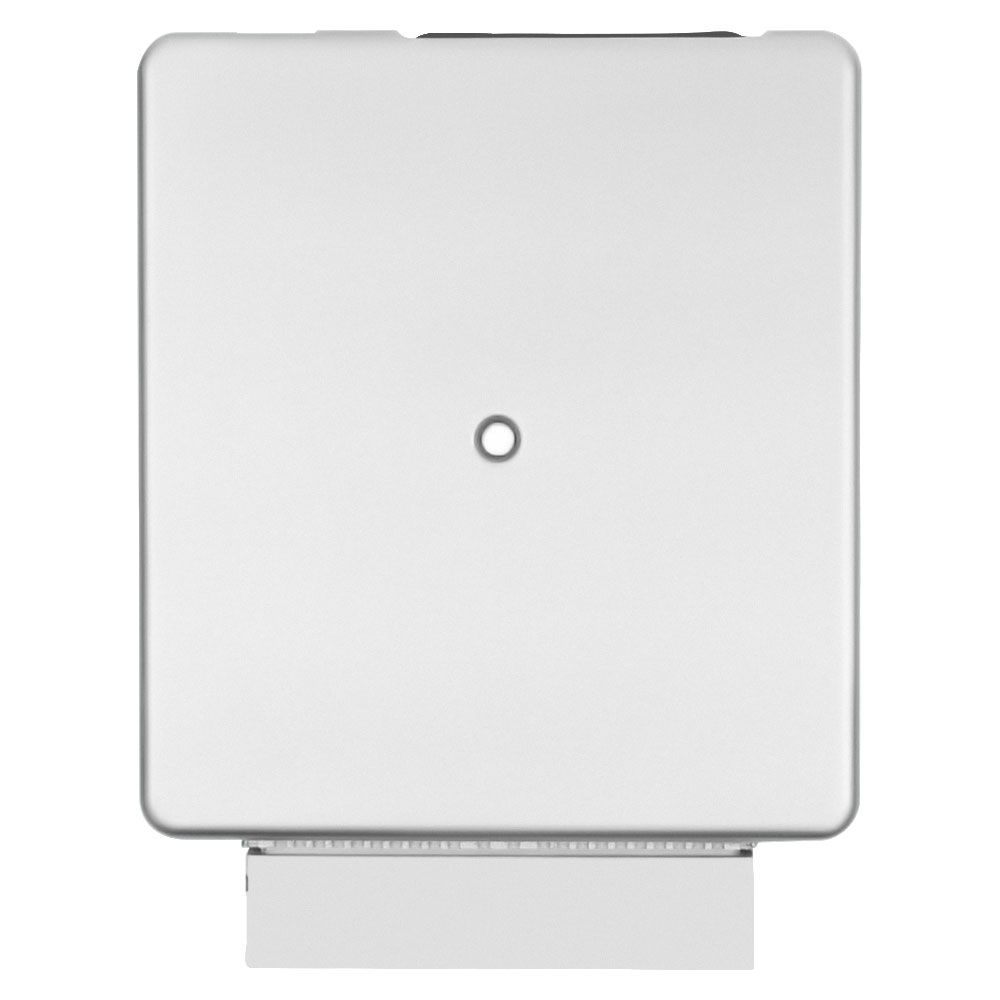
Flagship One stocks a refurbished, VIN-programmed PCM for the 1994 Ford Aspire with a lifetime warranty, free shipping and no core charge. The full Ford Aspire module lineup covers other engine configurations as well.
The 1994 Ford Aspire relies on a robust but aging EEC-IV powertrain control module to keep the 1.3L engine running smoothly. Recognizing the failure patterns, understanding the factory labor requirements, and knowing that a pre-programmed replacement bypasses the relearn process gives you a clear path forward. Whether you tackle the job yourself or hand it to a shop, the right information ensures the repair is done once and done right.