
Last updated on August 25th, 2026 at 01:15 pm
The powertrain control module in this 1993 Ford van is the central computer managing engine ignition timing, fuel injection, and transmission shift points. When it fails, multiple drivability issues typically emerge.
If your 1993 Ford E-Series van with the 5.8L engine is experiencing starting problems, stalling, or erratic shifting, the powertrain control module may be the culprit. This vehicle uses a central computer that manages critical engine and transmission functions, and when it fails or develops internal faults, your van may run poorly or not at all. Understanding what this module does, where it is located, and what the replacement process involves helps you make informed decisions about repair options. This guide covers the function of the powertrain control module in your specific vehicle, common failure symptoms, factory service procedures, and practical steps you can take to protect the module from premature failure.
The powertrain control module in your 1993 Ford E-Series serves as the brain of the engine management system. This computer processes inputs from numerous sensors throughout the engine and transmission, then controls fuel injector pulse width, ignition timing, idle speed, and transmission shift firmess to keep the 5.8L V8 running smoothly under all conditions. Unlike modern OBD-II vehicles, this pre-OBD-II system uses a simpler network architecture where the module communicates directly with sensors and actuators without standardized diagnostic protocols. The module also stores continuous memory codes that record fault conditions detected during operation. When internal circuitry within the module degrades, you may experience hard starting, rough idle, hesitation under acceleration, or transmission engagement harshness. The module also illuminates the check engine light and may cause the transmission control indicator lamp to flash when certain internal faults are present. Replacement engine computers for the 1993 Ford E-Series are available from specialty suppliers who program each unit with your specific vehicle identification number before shipping.
Flagship One keeps Ford Van (E-Series) replacement engine computers in stock for exactly this failure pattern.
1993 Ford E-Series
OEM programmed replacements — plug & play, no dealer visit.
Find yours by year, make & model →
Free shipping · Lifetime warranty
The powertrain control module on 1993 Ford E-Series vans is located behind the passenger-side kick panel inside the cabin, beneath the instrument panel. Access requires removing the kick panel and any carpeting or sound deadening material that covers the module mounting bracket. The module itself is a rectangular unit with a multi-pin connector that plugs into the vehicle wiring harness. Replacement involves disconnecting the battery negative terminal, removing the old module from its mounting bracket, unplugging the connector, installing the new unit, and reconnecting everything in reverse order. According to factory labor guidelines, the remove-and-replace procedure takes approximately 0.9 hours on any E-Series model including the E-150 Econoline, E-250 Econoline, and E-350 Econoline variants. After the new module is installed, the vehicle requires a relearn procedure to calibrate the replacement computer to your specific engine and transmission characteristics, which adds another 0.5 hours of labor time. All electrical connections should be inspected for corrosion or damage during installation, and any damaged connectors should be repaired or replaced.
| Operation | Configuration | Book Time |
|---|---|---|
| Powertrain Control Module R&R | E-150 Econoline | 0.9 hr |
| Powertrain Control Module R&R | E-150 Econoline Club Wagon | 0.9 hr |
| Powertrain Control Module R&R | E-250 Econoline | 0.9 hr |
| Powertrain Control Module R&R | E-350 Econoline | 0.9 hr |
| Powertrain Control Module R&R | E-350 Econoline Club Wagon | 0.9 hr |
| Powertrain Control Module Relearn | E-150 Econoline | 0.5 hr |
| Powertrain Control Module Relearn | E-150 Econoline Club Wagon | 0.5 hr |
| Powertrain Control Module Relearn | E-250 Econoline | 0.5 hr |
After replacing the powertrain control module on your 1993 Ford E-Series, the factory procedure requires a relearn or calibration process to establish proper communication between the new computer and the vehicle’s sensors. This procedure involves connecting a diagnostic scan tool to the vehicle’s diagnostic connector and initiating the module relearn sequence, which allows the new computer to learn idle trim values, fuel injector characteristics, and transmission adaptive shift points specific to your engine. Without completing this step, the vehicle may run roughly or exhibit shifting abnormalities until the relearn process finishes. Flagship One units arrive VIN-programmed, meaning each replacement module is pre-programmed with your specific vehicle identification number before it leaves the warehouse. This pre-programming eliminates the need for you to source a scan tool or perform the relearn procedure yourself, as the module will communicate with your vehicle’s systems immediately upon installation. You still need to reconnect the battery and allow the vehicle to run for several minutes so the computer can begin its adaptive learning process during normal driving.
Every VIN-programmed replacement unit from Flagship One arrives with these steps already completed.
When the powertrain control module fails on your 1993 Ford E-Series, the vehicle may exhibit several distinct symptoms that help distinguish module failure from other component problems. A no-start condition is common when the module loses its ability to control fuel injector operation or ignition spark, leaving the engine cranking but not firing. Stalling after starting or during idle often occurs when the module fails to maintain proper idle air control or fuel delivery calibration. Misfire codes may set in continuous memory when the module cannot properly sequence fuel injection events, causing the engine to run roughly and trigger diagnostic trouble codes. In some cases, the scan tool may not communicate with the vehicle at all, as the module serves as the central node for diagnostic communications. The transmission control indicator lamp may flash continuously on vehicles built before January 1994, indicating harsh shift conditions or module-related faults. Other symptoms include unexpected acceleration surges, throttle response issues, and loss of climate control functions if the module also manages HVAC actuators. If multiple unrelated codes appear simultaneously with drivability complaints, the powertrain control module itself often serves as the common failure point.
Factory service bulletin number 94-02-26 addresses diagnostic trouble code 62 stored in continuous memory on 1993 Ford E-Series vehicles built before January 3, 1994. This bulletin relates the code to harsh transmission shifting conditions and a flashing transmission control indicator lamp. The bulletin recommends diagnosing the code and addressing any module-related faults as part of the repair procedure. Vehicles outside the build date range covered by this bulletin may exhibit different code sets or no codes at all despite module failure.
| Bulletin | Subject | What It Addresses |
|---|---|---|
| 94-02-26 | DIAGNOSTIC TROUBLE CODE (DTC) 62 IN CONTINUOUS MEMORY – HARSH SHIFTS – TRANSMISSION – TRANSMISS | — |
A used module may work initially, but it likely contains the same internal failure modes that caused the original unit to fail. Additionally, used modules may not have been programmed for your specific vehicle identification number, which can cause communication issues. Refurbished units from a reputable supplier typically offer better reliability with VIN programming included.
The physical replacement is straightforward for someone with basic mechanical skills, as the module is located behind the passenger kick panel and the remove-and-replace procedure takes under an hour. However, you will need access to a scan tool to perform the relearn procedure unless you purchase a pre-programmed unit from Flagship One that arrives ready to install.
If the vehicle runs poorly after replacement, the relearn procedure may not have completed, there may be an underlying sensor or wiring issue causing the new module to set codes, or the replacement unit itself may be defective. A diagnostic scan tool can help identify which codes are present and determine the next troubleshooting steps.
The flashing transmission indicator lamp often relates to harsh shift conditions or internal module faults. On vehicles built before January 1994, factory service bulletin 94-02-26 specifically addresses code 62 stored in continuous memory that causes this symptom. The lamp may also flash if the module detects internal faults affecting transmission control.
Multiple simultaneous trouble codes affecting unrelated systems often point to module failure rather than individual sensor problems. A no-start condition with no injector activity and no spark, combined with an inability to communicate with the vehicle using a scan tool, strongly suggests module failure. A professional diagnostic procedure can confirm the diagnosis.
When your 1993 Ford E-Series requires a powertrain control module replacement, you have two primary paths forward. You can source a refurbished or used unit and handle the installation and relearn procedure yourself, or you can purchase a VIN-programmed replacement that arrives ready to install and eliminates the need for scan tool access. For this pre-OBD-II vehicle, ensuring the replacement module is programmed for your specific van prevents communication issues and reduces troubleshooting time. Consider your mechanical skills, tool availability, and budget when deciding which approach suits your situation.
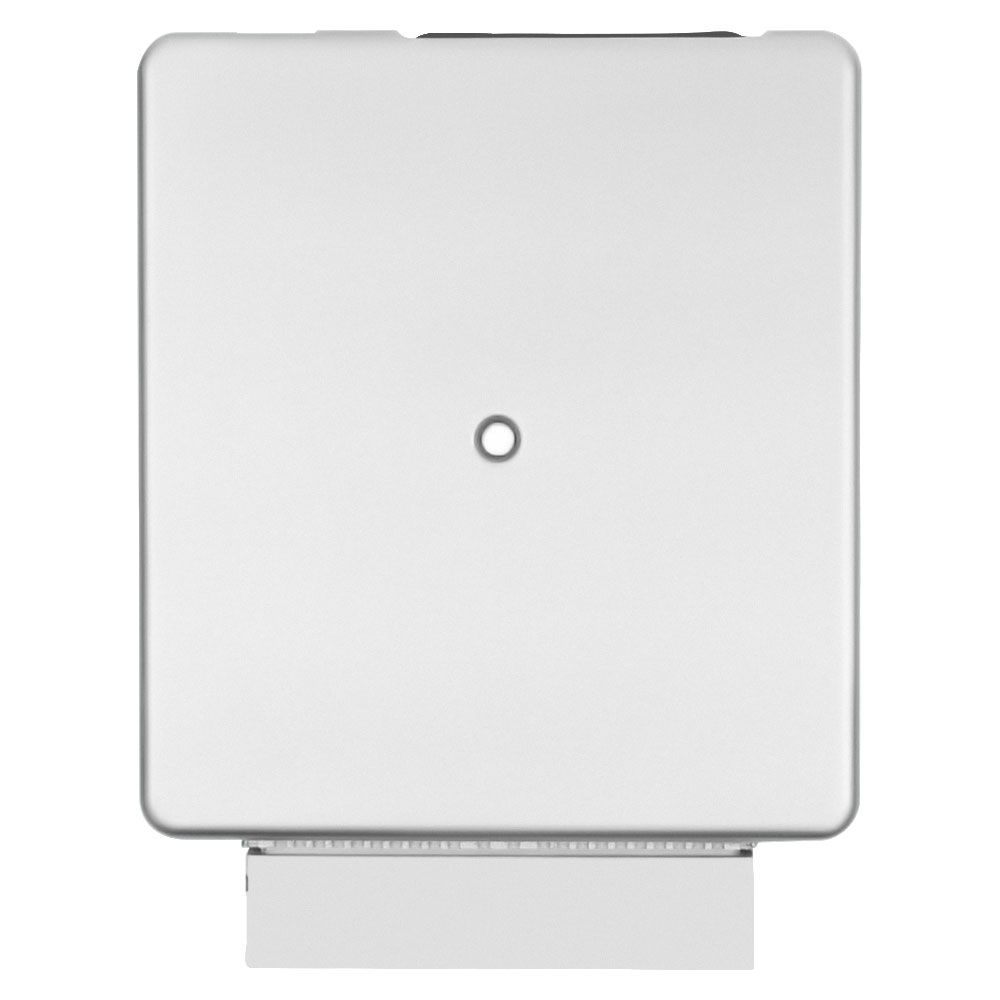
Flagship One stocks a refurbished, VIN-programmed PCM for the 1993 Ford Van (E-Series) with a lifetime warranty, free shipping and no core charge. The full Ford Van (E-Series) module lineup covers other engine configurations as well.
The powertrain control module in your 1993 Ford E-Series van plays a critical role in engine and transmission operation, and failure can leave you stranded or dealing with poor drivability. Understanding the symptoms, replacement procedure, and programming requirements helps you navigate the repair process confidently. Whether you choose professional installation or a DIY approach, addressing module failure promptly restores reliable operation to your van.