
Last updated on August 25th, 2026 at 01:40 pm
The powertrain control module (PCM) in your 1991 Ford E-Series van acts as the brain for engine and transmission functions. When it fails, you may experience no-start conditions, erratic idling, or poor drivability due to disrupted fuel, spark, or shift timing.
If your 1991 Ford E-Series van has been acting up—stalling unexpectedly, refusing to start, or running rough—it may be time to consider the powertrain control module (PCM). This critical component oversees everything from fuel delivery to ignition timing, ensuring your engine runs smoothly. Unlike modern vehicles with self-diagnosing systems, your van relies on a simpler, yet equally vital, computer to keep operations in check. Replacing the PCM isn’t just about swapping a part; it involves precise labor steps and a relearn procedure to restore proper function. Understanding what the PCM does, where it’s located, and what to expect during replacement can help you make an informed decision. Whether you’re dealing with a sudden breakdown or preemptive maintenance, knowing the facts will save you time and guesswork. This guide covers the essentials, from common failure symptoms to the steps involved in getting your van back on the road reliably.
The powertrain control module in your 1991 Ford E-Series van serves as the central command for engine and transmission operations. It continuously monitors inputs from sensors—like the throttle position, coolant temperature, and oxygen sensors—to adjust fuel injection, ignition timing, and shift points in real time. Without this module, your van’s engine would struggle to maintain the correct air-fuel mixture, leading to poor performance or even a complete shutdown. The PCM also plays a role in managing idle speed and emissions control, though its functions are less complex than those in later OBD-II vehicles. When the module fails, it often disrupts multiple systems at once, leaving you with a van that hesitates, stalls, or refuses to start. Replacing it with replacement engine computers for the E-Series ensures your vehicle regains its ability to adapt to driving conditions, whether you’re hauling cargo or cruising on the highway. While the PCM doesn’t handle advanced diagnostics like modern systems, its reliability is still critical for day-to-day operation.
1991 Ford E-Series Van
OEM programmed replacements — plug & play, no dealer visit.
Find yours by year, make & model →
Free shipping · Lifetime warranty
The powertrain control module in your 1991 Ford E-Series van is located inside the passenger compartment, typically mounted under the dashboard on the driver’s side. Accessing it requires removing the lower dash panel or kick panel, which may involve disconnecting wiring harnesses or trim clips. Once exposed, the module is secured with bolts or screws, and its electrical connector must be carefully unplugged to avoid damaging the pins. Reinstallation follows the reverse process, with the new module bolted into place and the connector reattached. According to factory labor estimates, the entire removal and replacement procedure takes 1.2 hours for all E-Series models, including the E-150, E-250, and E-350, as well as the Club Wagon variants. No specialized tools are required beyond basic hand tools, but care should be taken to avoid bending the connector pins during installation.
| Operation | Configuration | Book Time |
|---|---|---|
| Powertrain Control Module R&R | E-150 Econoline | 1.2 hr |
| Powertrain Control Module R&R | E-150 Econoline Club Wagon | 1.2 hr |
| Powertrain Control Module R&R | E-250 Econoline | 1.2 hr |
| Powertrain Control Module R&R | E-250 Econoline Club Wagon | 1.2 hr |
| Powertrain Control Module R&R | E-350 Econoline | 1.2 hr |
| Powertrain Control Module R&R | E-350 Econoline Club Wagon | 1.2 hr |
| Powertrain Control Module Relearn | E-150 Econoline | 0.5 hr |
| Powertrain Control Module Relearn | E-150 Econoline Club Wagon | 0.5 hr |
After installing a new powertrain control module in your 1991 Ford E-Series van, a relearn procedure is required to synchronize the module with the engine’s sensors and transmission. This process, which takes 0.5 hours according to factory labor estimates, involves resetting the module’s adaptive memory to ensure proper fuel delivery, ignition timing, and shift points. Without this step, your van may experience rough idling, poor acceleration, or erratic shifting. However, if you opt for a VIN-programmed replacement unit, this procedure is already completed before the module arrives. Flagship One units are pre-configured to match your van’s specific calibration, eliminating the need for additional programming or relearn steps. This not only saves time but also reduces the risk of calibration errors that could affect performance. While the relearn process isn’t overly complex, having a pre-programmed module ensures a smoother transition and quicker return to reliable operation.
When the powertrain control module in your 1991 Ford E-Series van begins to fail, you may notice a range of symptoms that can disrupt your driving experience. One of the most common signs is a no-start condition, where the engine cranks but refuses to fire up. This often happens because the PCM fails to send the correct signals to the fuel injectors or ignition system. Stalling or rough idling is another frequent issue, as the module struggles to maintain the proper air-fuel mixture or ignition timing. You might also experience erratic shifting if the transmission relies on the PCM for shift points, leading to jerky or delayed gear changes. In some cases, the van may run poorly at certain speeds or hesitate during acceleration, indicating the module isn’t adjusting fuel delivery correctly. Another telltale sign is a complete lack of communication with a scan tool, as the PCM may fail to respond to diagnostic requests. If you’ve noticed any of these issues, it’s worth checking the module’s health, especially if internal control module memory checksum error appears during diagnostics. While these symptoms can stem from other problems, a failing PCM often ties them together, making it a likely culprit.
Common signs include a no-start condition, stalling, rough idling, or erratic shifting. If the van runs poorly at certain speeds or fails to communicate with a scan tool, the PCM may be the issue. These symptoms often appear together, making the module a likely suspect.
Replacing the PCM is possible if you’re comfortable working with electrical components and basic hand tools. The module is located under the dashboard, and the process involves removing trim panels and disconnecting the electrical connector. However, a relearn procedure is required afterward to ensure proper function.
The relearn procedure resets the module’s adaptive memory, allowing it to recalibrate with the engine’s sensors and transmission. Without this step, the van may idle roughly, hesitate during acceleration, or shift erratically. It typically takes 0.5 hours to complete.
Skipping the relearn procedure may result in poor engine performance, including rough idling, hesitation, or incorrect shift points. The van may also struggle to maintain a consistent air-fuel mixture, leading to decreased fuel efficiency or drivability issues.
Driving with a failing PCM can lead to unpredictable behavior, such as stalling or sudden loss of power. Over time, this may cause additional strain on the engine or transmission, potentially leading to more costly repairs. Addressing the issue promptly is recommended.
If your 1991 Ford E-Series van is showing signs of PCM failure, you have options for getting it back on the road. While a repair may seem cost-effective, it often only provides a temporary fix, especially if the module’s internal components are compromised. A refurbished replacement unit, pre-programmed to your van’s VIN, ensures reliable performance without the need for additional programming steps. This approach saves time and reduces the risk of calibration errors, making it a practical choice for restoring your van’s drivability.
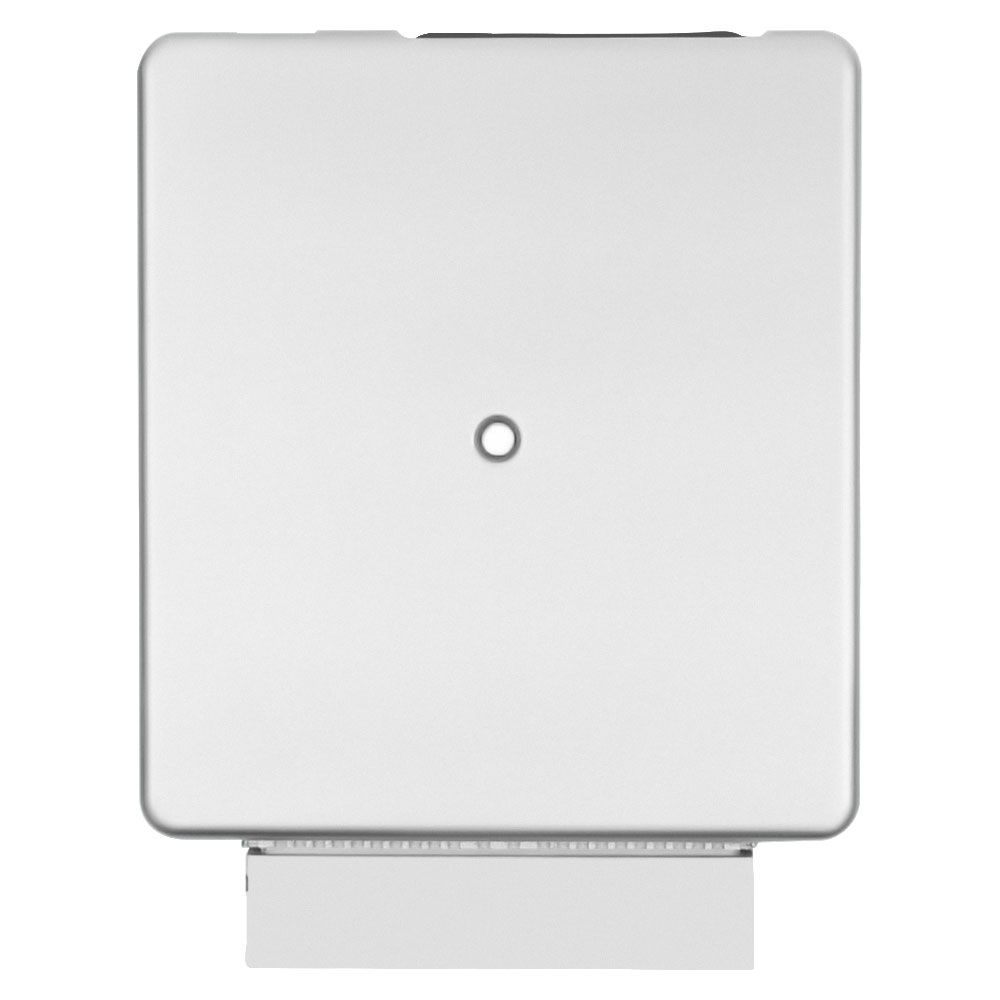
Flagship One stocks a refurbished, VIN-programmed PCM for the 1991 Ford Van (E-Series) with a lifetime warranty, free shipping and no core charge. The full Ford Van (E-Series) module lineup covers other engine configurations as well.
The powertrain control module in your 1991 Ford E-Series van plays a critical role in keeping your engine and transmission running smoothly. When it fails, symptoms like stalling, rough idling, or a no-start condition can leave you stranded. Replacing the module is a straightforward process, but it’s important to follow the correct steps, including the relearn procedure, to ensure proper function. With a VIN-programmed replacement, you can avoid the hassle of additional programming and get back on the road with confidence. If your van is showing signs of PCM trouble, addressing it promptly will help maintain its reliability for years to come.