
Last updated on August 25th, 2026 at 01:40 pm
The Powertrain Control Module (PCM) in your 1993 Ford Bronco 5.0L acts as the engine and transmission’s central computer. It processes sensor data to control fuel delivery, ignition timing, and shift points. Failures often stem from voltage spikes, corrosion, or internal memory faults, leading to drivability issues or complete engine shutdown.
If your 1993 Ford Bronco 5.0L has developed unexplained stalling, rough shifting, or a refusal to start, the Powertrain Control Module (PCM) may be the source of the problem. This critical component serves as the brain of your vehicle’s engine and transmission, interpreting data from sensors to make real-time adjustments to fuel, ignition, and shift timing. Unlike modern vehicles with separate engine and transmission computers, your Bronco uses a single integrated unit to manage both systems. When the PCM begins to fail, symptoms can range from subtle drivability quirks to complete immobilization. Understanding how this module functions, where it’s located, and what replacement involves can help you make informed decisions about repairs. The good news is that replacement is often straightforward, with labor times typically under an hour for removal and installation. However, the process doesn’t end with physical replacement—your Bronco will require a specific relearn procedure to ensure the new module communicates properly with the vehicle’s systems. This guide covers everything you need to know about the PCM in your 1993 Bronco, from common failure symptoms to the steps involved in getting your SUV back on the road.
The Powertrain Control Module in your 1993 Ford Bronco 5.0L is a single electronic control unit responsible for managing both engine and transmission functions. This integrated approach was common in vehicles of this era, combining what would later become separate engine control modules (ECM) and transmission control modules (TCM) into one housing. The PCM continuously monitors inputs from sensors throughout the vehicle, including the throttle position sensor, oxygen sensors, and transmission speed sensors, to make adjustments that optimize performance, fuel efficiency, and emissions. For example, when you accelerate, the PCM calculates the ideal air-fuel mixture and ignition timing to deliver power while preventing detonation. It also determines when the transmission should shift gears based on vehicle speed, engine load, and throttle position. One of the unique features of your Bronco’s PCM is its Failure Mode Effects Management (FMEM) system, which allows the engine to continue running—albeit with reduced performance—if a sensor signal is lost. This built-in redundancy can keep you moving in an emergency, though it’s not a substitute for proper repairs. When considering replacement powertrain control modules for the Bronco, it’s important to understand that these units are vehicle-specific and must be compatible with your 5.0L engine configuration to function correctly.
Engine computer (ECM/PCM)
OEM programmed replacements — plug & play, no dealer visit.
Find yours by year, make & model →
Free shipping · Lifetime warranty
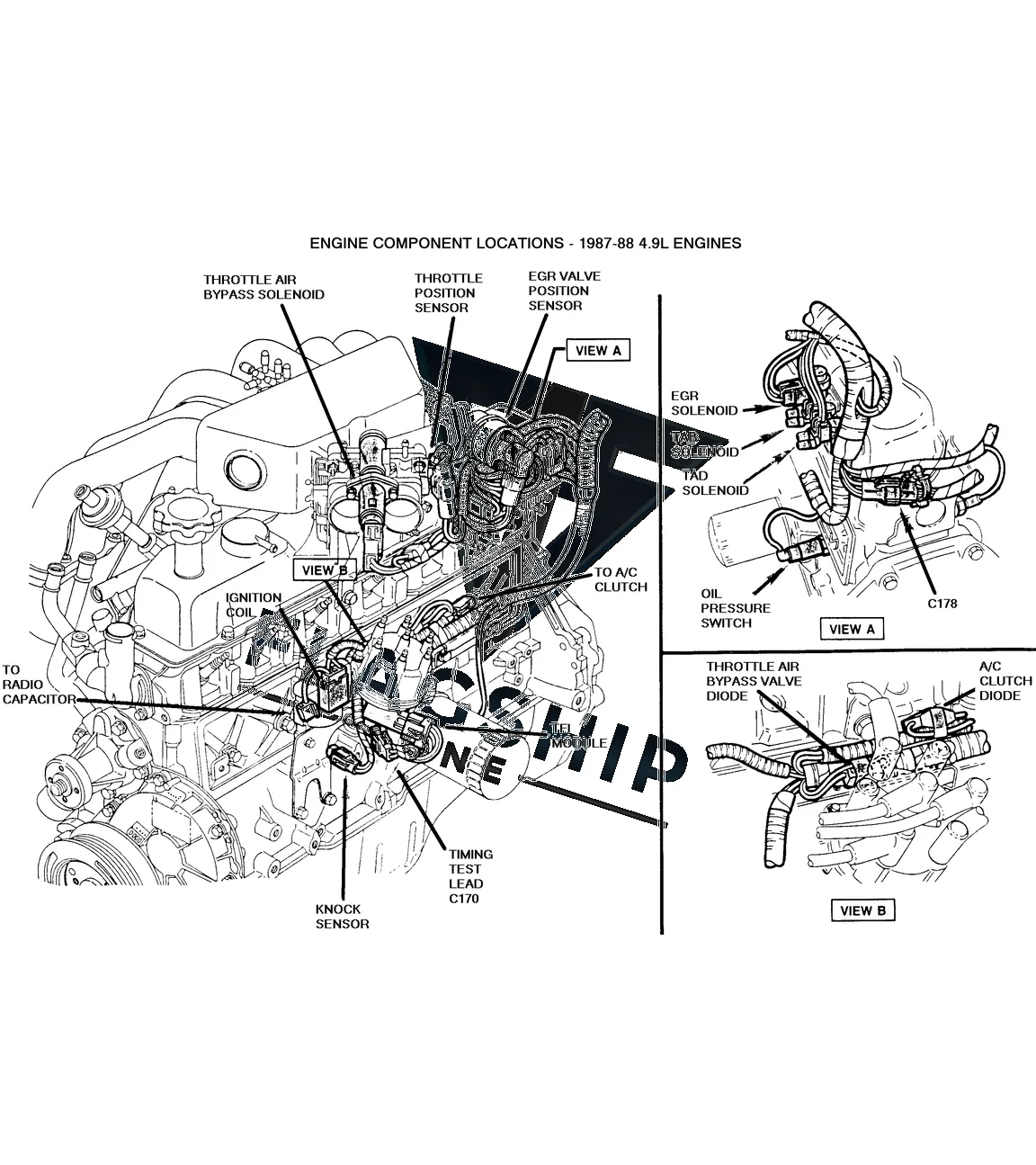
The Powertrain Control Module in your 1993 Ford Bronco is located inside the passenger compartment, typically mounted under the dashboard on the right side near the glove box. This placement protects the module from extreme engine bay temperatures and moisture, though it can still be vulnerable to voltage spikes or connector corrosion over time. Replacing the PCM involves disconnecting the negative battery cable first to prevent electrical shorts or damage to the new unit. The module is secured with mounting hardware that may require basic hand tools to remove. Once the old unit is disconnected from its wiring harness, the new PCM can be installed in its place. According to factory labor times, the removal and replacement process typically takes 0.9 hours. The wiring harness connector should be inspected for signs of corrosion or bent pins before connecting the new module, as poor electrical contact can cause intermittent or permanent faults. After physical installation, the battery can be reconnected, but additional steps are required to complete the process.
| Operation | Configuration | Book Time |
|---|---|---|
| Powertrain Control Module R&R | All configurations | 0.9 hr |
| Powertrain Control Module Relearn | All configurations | 0.5 hr |
| Engine Control Module Relearn | All configurations | 0.5 hr |
| Engine Control Module R&R | All configurations | 0.9 hr |
After installing a new Powertrain Control Module in your 1993 Ford Bronco, the vehicle requires a specific relearn procedure to synchronize the module with the engine and transmission. This process, often referred to as an initialization or calibration, ensures that the PCM recognizes the vehicle’s unique parameters, such as engine displacement, transmission type, and gear ratios. According to factory specifications, this relearn procedure typically takes 0.5 hours to complete. The steps may involve cycling the ignition, driving the vehicle under specific conditions, or using specialized diagnostic equipment to confirm proper communication between the PCM and other systems. However, if you install a VIN-programmed replacement unit, these initialization steps are already completed at the supplier level, saving you time and potential frustration. This pre-programming ensures that the module is ready to function immediately after installation, though you may still need to verify basic engine and transmission operation during a test drive. Always confirm that the replacement PCM is compatible with your Bronco’s 5.0L engine and transmission configuration to avoid compatibility issues.
When the Powertrain Control Module in your 1993 Ford Bronco 5.0L begins to fail, symptoms can vary widely depending on which internal circuits are affected. One of the most common signs is harsh or erratic transmission shifting, which may feel like abrupt gear changes or delayed engagement. This occurs because the PCM controls both engine and transmission functions, and a fault in the module can disrupt the signals sent to the transmission solenoids. Another frequent issue is stalling or rough idling, as the PCM may struggle to maintain the correct air-fuel mixture or ignition timing. In some cases, the engine may refuse to start at all, particularly if the module fails to send the proper signals to the fuel injectors or ignition system. You might also notice poor fuel economy or a lack of power during acceleration, as the PCM can no longer optimize engine performance. Electrical issues, such as a no-communication error when attempting to scan for trouble codes, can also indicate a failing PCM. One specific fault that may appear in your Bronco is DTC 62:transmission control indicator lamp flashing, which often correlates with harsh shifting or transmission-related drivability problems. Since your Bronco is a pre-OBD-II vehicle, these codes are stored in the PCM’s continuous memory and may require a scan tool capable of reading older Ford diagnostic protocols to retrieve. If you experience any of these symptoms, it’s worth investigating the PCM as a potential cause, especially if other common issues like sensor failures or wiring problems have been ruled out.
Ford issued a service bulletin (#94-02-26) addressing a specific issue in 1993 Bronco models built before January 3, 1994. This bulletin focuses on Diagnostic Trouble Code (DTC) 62, which is associated with harsh transmission shifts and a flashing Transmission Control Indicator Lamp (TCIL). The bulletin outlines diagnostic procedures to determine whether the issue stems from the PCM, wiring, or transmission components. If the PCM is identified as the cause, replacement may be necessary to resolve the shifting problems. This bulletin is particularly relevant if your Bronco exhibits rough or unpredictable gear changes, as it provides factory-recommended steps for addressing the issue.
| Bulletin | Subject | What It Addresses |
|---|---|---|
| 94-02-26 | DIAGNOSTIC TROUBLE CODE (DTC) 62 IN CONTINUOUS MEMORY – HARSH SHIFTS – TRANSMISSION – TRANSMISS | — |
Intermittent stalling in your Bronco can stem from several issues, including a failing PCM. The module controls fuel delivery and ignition timing, so if it malfunctions, the engine may cut out unexpectedly. Other potential causes include faulty sensors, fuel pump issues, or wiring problems. A diagnostic scan for stored trouble codes can help determine if the PCM is contributing to the problem.
Distinguishing between a failing PCM and a sensor issue can be challenging, as both can produce similar symptoms. However, if multiple sensors appear to be failing simultaneously or if the vehicle exhibits erratic behavior that doesn’t align with a single sensor’s function, the PCM may be the culprit. A scan tool can help identify patterns in the stored codes that point to a module failure.
Skipping the relearn procedure after replacing the PCM in your Bronco may result in poor engine performance, harsh shifting, or even a no-start condition. The relearn process allows the new module to synchronize with the vehicle’s systems, ensuring proper communication between the PCM, engine, and transmission. Without it, the module may not function optimally or at all.
Yes, a failing PCM can cause transmission problems in your Bronco, as the module controls both engine and transmission functions. Symptoms may include harsh or delayed shifts, erratic gear changes, or a flashing Transmission Control Indicator Lamp (TCIL). Since the PCM manages shift solenoids and torque converter lockup, faults in the module can directly impact transmission behavior.
While your Bronco’s PCM includes backup programs to maintain limited operation if a sensor fails, driving with a failing module is not recommended. Symptoms like stalling, harsh shifting, or poor acceleration can compromise safety, especially in traffic or on highways. If you suspect PCM issues, it’s best to diagnose and address the problem promptly to avoid potential breakdowns.
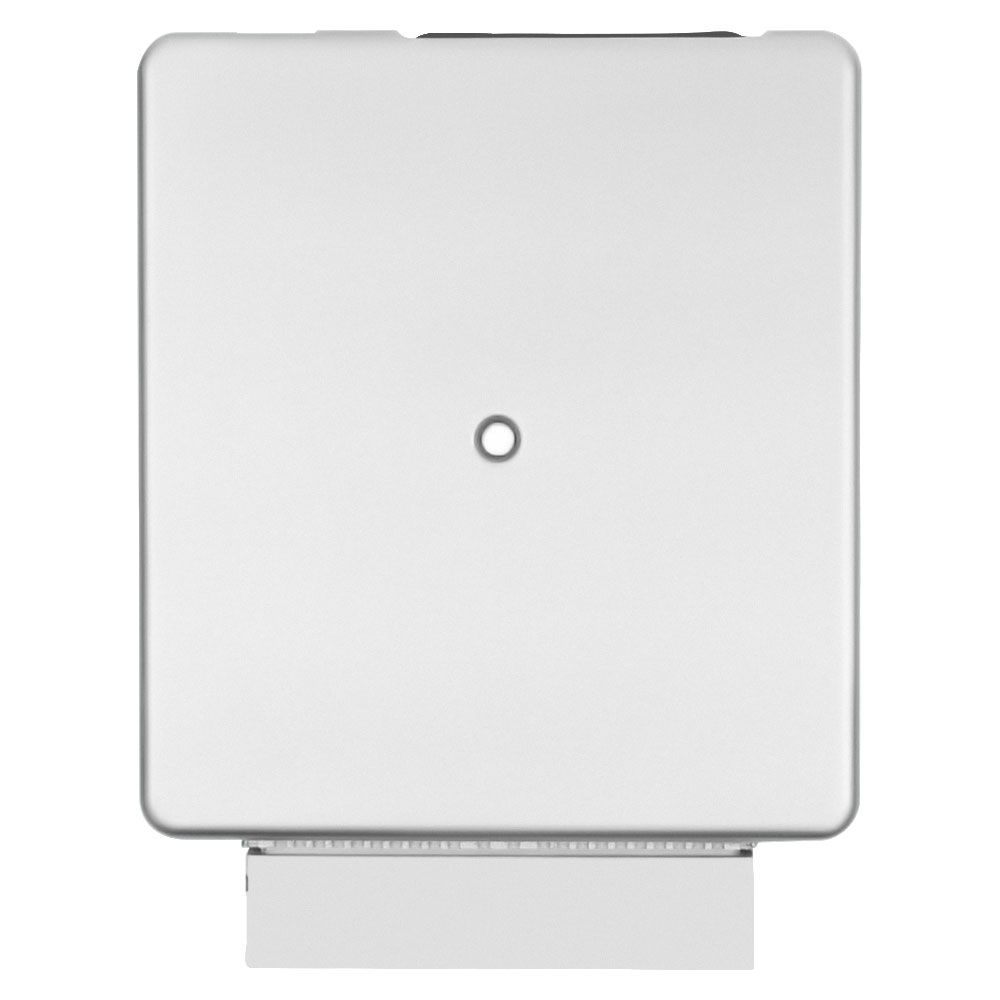
Flagship One stocks a refurbished, VIN-programmed PCM for the 1993 Ford Bronco with a lifetime warranty, free shipping and no core charge. The full Ford Bronco module lineup covers other engine configurations as well.
The Powertrain Control Module in your 1993 Ford Bronco 5.0L plays a critical role in managing engine and transmission performance. When this module begins to fail, symptoms like harsh shifting, stalling, or poor drivability can make your SUV unreliable. Replacing the PCM is a practical solution, with labor times typically under an hour for removal and installation. However, the process doesn’t end there—a relearn procedure is necessary to ensure the new module functions correctly. By understanding the signs of PCM failure and the steps involved in replacement, you can make informed decisions about repairs and keep your Bronco running smoothly for years to come.