
Last updated on August 25th, 2026 at 01:40 pm
The Powertrain Control Module in your 1992 Ford Probe is the central computer managing engine and transmission operation. This unit processes sensor data to control fuel delivery, ignition timing, and transmission shifting. Electrical overload, heat cycling, or internal component degradation may cause module failure, leaving your vehicle inoperable or running poorly.
If your 1992 Ford Probe runs rough, stalls, or refuses to start, the Powertrain Control Module may be at fault. This guide explains what that module does, where it sits in your vehicle, what replacement involves, and how post-installation procedures work. Understanding these details helps you make an informed decision between repairing your existing unit or installing a replacement. The 1992 Ford Probe with its 2.2L engine predates OBD-II standardization, meaning its diagnostic approach differs from later models. By the end of this article, you will understand the module’s role, common failure patterns, installation considerations, and what to expect during the repair process. This knowledge lets you communicate effectively with technicians and evaluate your options confidently.
The Powertrain Control Module in your 1992 Ford Probe serves as the electronic brain for both engine and transmission management. Unlike some later vehicles that separate these functions, this generation Probe uses a single controller to oversee multiple vehicle systems simultaneously. The module receives information from sensors measuring engine temperature, throttle position, manifold pressure, oxygen content in the exhaust, and vehicle speed. It processes this data using pre-programmed algorithms to determine optimal fuel injector pulse width, spark advance angle, and transmission shift points. This real-time adjustment capability allows the engine to respond effectively to varying driving conditions, from idle to full throttle. The transmission also benefits from PCM intelligence, as the controller commands shift quality and timing based on load and speed inputs. Without proper communication from the module, your engine may run extremely rich or lean, misfire repeatedly, or shut down entirely. Transmission operation may become erratic, with harsh shifting or complete failure to engage gears. Given the integrated nature of this system, diagnosing a suspected PCM fault requires methodical testing to rule out simpler sensor or wiring problems first. Replacement modules for the 1992 Ford Probe come in different configurations depending on exact specifications, so identifying the correct part matters considerably. replacement engine computers for the Probe may be available as new, refurbished, or used units from various suppliers. The factory service documentation for this vehicle provides specific testing procedures to confirm module failure before replacement is recommended.
1992 Ford Probe
OEM programmed ECM for your 1992 Ford Probe — plug & play, no dealer visit.
Free shipping · Lifetime warranty
The Powertrain Control Module in your 1992 Ford Probe is typically mounted inside the passenger compartment, often beneath the dashboard on the driver’s side or in the engine bay depending on your specific configuration. Access requires removing trim panels or covers to reach the unit and its electrical connector. Factory labor documentation lists 0.4 hours for Powertrain Control Module removal and installation on this vehicle. This figure represents pure R&R time and does not include any diagnostic work or post-replacement procedures. Once the old module is removed, the replacement unit connects to the same wiring harness using the identical configuration. Securing the module properly and ensuring the electrical connection is fully seated completes the physical installation. After installation, the module must be initialized using factory-specified procedures to establish communication with the engine and transmission systems. This separate relearn procedure accounts for additional labor time beyond the basic swap. Your technician should verify that all connections are secure and that no other vehicle systems were disturbed during the repair process.
| Operation | Configuration | Book Time |
|---|---|---|
| Engine Control Module R&R | All configurations | 0.9 hr |
| Powertrain Control Module R&R | All configurations | 0.4 hr |
| Powertrain Control Module Relearn | All configurations | 0.5 hr |
After installing a replacement module in your 1992 Ford Probe, a relearn procedure must be performed to establish proper communication between the new controller and vehicle systems. Factory documentation specifies 0.5 hours for this Powertrain Control Module Relearn procedure. This process allows the module to adapt to your specific engine’s characteristics and calibration requirements. The procedure typically involves key-on/engine-off and key-on/engine-running phases where the module learns sensor baselines and adjust parameters accordingly. Without completing this initialization sequence, your vehicle may exhibit drivability problems despite having a mechanically sound replacement module. However, replacement units from Flagship One arrive VIN-programmed and ready to install, which means the time-consuming factory relearn steps may be significantly reduced or completed before the module ships. This pre-programming allows you to install the unit and perform a abbreviated verification rather than a full adaptation procedure. Your technician can confirm proper operation by checking for normal sensor readings and absence of fault codes following installation. a VIN-programmed replacement unit eliminates the need for expensive dealer programming equipment in most cases.
When the Powertrain Control Module fails on your 1992 Ford Probe, symptoms may range from subtle drivability changes to complete vehicle disable. A no-start condition often develops because the module controls fuel pump activation and ignition spark timing simultaneously. Without proper signals from the PCM, the engine may crank without firing or flood excessively. Stalling during operation frequently occurs when the module loses communication with critical sensors or fails to maintain proper fuel metering. Misfire conditions develop when ignition timing becomes erratic or fuel injectors stop pulsing correctly. Some owners report that their engine runs but exhibits poor acceleration, hesitation, or unusual idle quality. Transmission symptoms may include failure to shift properly, harsh engagements, or staying in a single gear. A dead scan tool connection at the data port indicates that the module has stopped communicating entirely, which is a strong indicator of internal failure. Occasional driving problems that come and go may suggest intermittent electrical issues within the module caused by heat cycling or vibration stress. Any of these symptoms warrant diagnostic testing to determine whether the PCM or外围 components require attention.
Factory service bulletin number 92-17-01 addresses core return procedures for Ford engine control processors and powertrain control modules as part of a remanufacturing program. This bulletin establishes guidelines for returning failed original equipment modules to Ford or authorized remanufacturers. The documentation specifies proper packaging requirements, return authorization procedures, and time limits for core submission. Compliance with these requirements may be necessary to receive full credit on a remanufactured unit exchange. If your repair involves a dealer-sourced replacement module, the service writer should provide core return paperwork and explain any applicable deadlines or condition requirements. Keeping documentation of your core return ensures you receive proper credit and avoids disputes about eligibility.
| Bulletin | Subject | What It Addresses |
|---|---|---|
| 92-17-01 | CORE RETURN INSTRUCTIONS – FORD ENGINE CONTROL PROCESSOR – POWERTRAIN CONTROL MODULE – REMANUFA | — |
Yes, sustained low voltage conditions from a failing battery or alternator may contribute to module degradation over time. When electrical supply voltage drops below specification, the module may operate erratically or suffer permanent internal damage. Maintaining proper charging system function protects sensitive electronic controllers.
Incomplete initialization of the new module may cause drivability problems. The relearn procedure allows the controller to calibrate to your specific engine. If symptoms persist after relearning, additional diagnosis may reveal sensor issues or wiring problems that existed before module replacement.
This depends on your vehicle’s overall condition and value. If the rest of the vehicle is mechanically sound and meets your needs, a replacement module represents a reasonable repair cost compared to vehicle replacement. Consider the module cost against the vehicle’s current worth and your attachment to keeping it running.
Diagnostic testing should rule out sensors and wiring before condemning the module. A scan tool showing no communication, multiple unrelated fault codes appearing simultaneously, or specific internal module codes point toward controller failure. Your technician can perform voltage and resistance checks on circuits feeding the module to confirm the diagnosis.
Rebuilt units have been restored from returned cores with internal components replaced as needed. New old stock units may be original inventory that has never been used. Both typically carry a warranty. Rebuilt units offer cost savings while providing reliable service when sourced from reputable suppliers.
When your 1992 Ford Probe needs powertrain control module attention, you face a choice between repairing the existing unit or installing a replacement. Remanufactured modules from the original manufacturer or reputable aftermarket suppliers like Flagship One offer tested reliability at reasonable cost. Repairing an existing module may be possible in some cases but requires specialized equipment and expertise. Replacement units typically arrive ready to install, minimizing vehicle downtime. Evaluate your budget, timeline, and access to diagnostic equipment when deciding which approach suits your situation best. A properly functioning control module restores your Probe’s drivability and reliability.
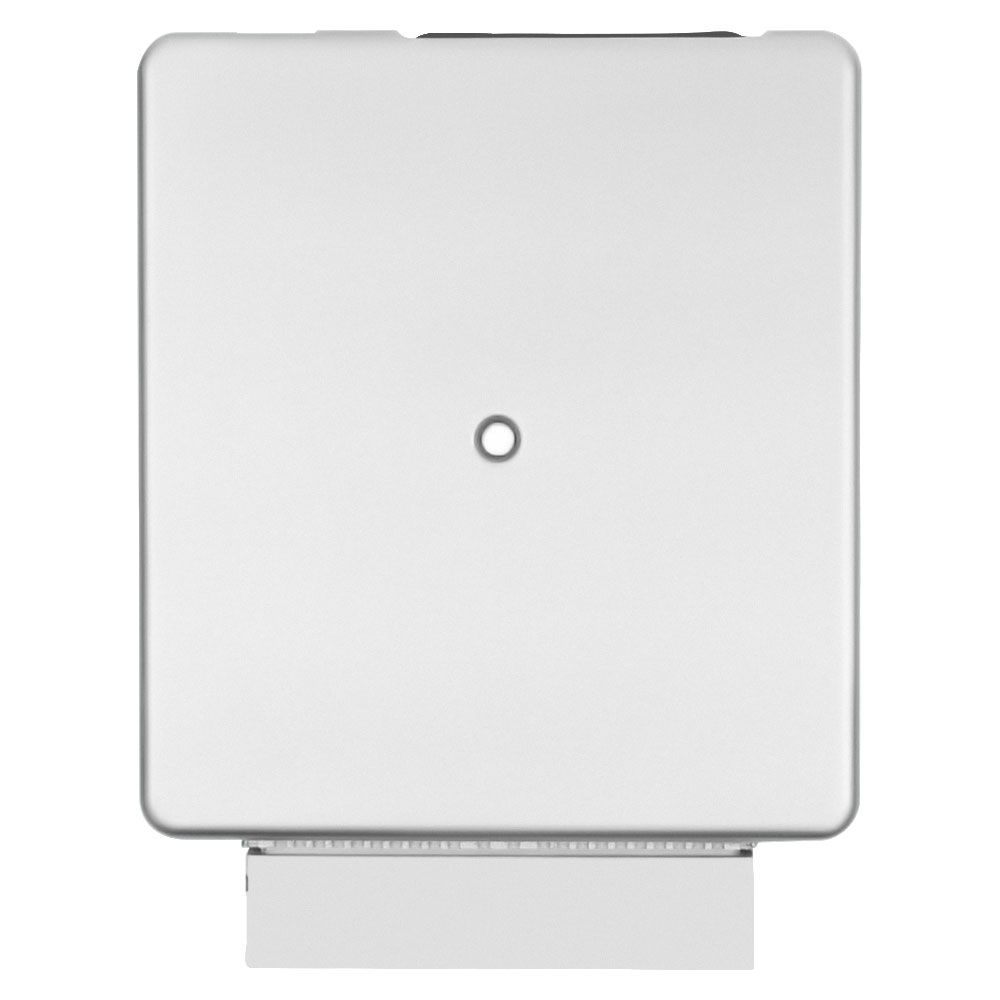
Flagship One stocks a refurbished, VIN-programmed PCM for the 1992 Ford Probe with a lifetime warranty, free shipping and no core charge. The full Ford Probe module lineup covers other engine configurations as well.
The Powertrain Control Module in your 1992 Ford Probe plays an essential role in engine and transmission operation. Understanding its function, location, and replacement requirements helps you navigate the repair process with confidence. Whether you choose dealer service or an independent shop, knowing what the procedure involves allows you to ask informed questions and evaluate estimates. For quality replacement options, explore your choices and select a supplier that backs their products with solid warranty coverage.