
Last updated on August 25th, 2026 at 01:41 pm
The engine computer in your 1990 Ford Probe controls fuel injection, ignition timing, and emissions systems. When it fails, the engine may stall, misfire, or refuse to start. Replacement involves removing the old unit and installing a pre-programmed module to restore proper engine operation.
If your 1990 Ford Probe has been acting up—stalling at stoplights, refusing to start on cold mornings, or running rough—your engine computer may be the culprit. This small but critical module, officially called the Powertrain Control Module (PCM), acts as the brain of your vehicle’s engine management system. It constantly adjusts fuel delivery, ignition timing, and emissions controls based on sensor inputs. When it fails, the engine may run poorly or not at all. Replacing it isn’t just about swapping a part; the new module must be programmed to your Probe’s specific configuration. This guide explains what the PCM does, where it’s located, how replacement works, and what to expect during the process. You’ll also learn how to spot early warning signs and why a pre-programmed replacement can save you time and frustration.
The Powertrain Control Module in your 1990 Ford Probe is responsible for managing the engine’s air-fuel mixture, ignition timing, and idle speed. It receives data from sensors throughout the engine bay—like the oxygen sensor, throttle position sensor, and coolant temperature sensor—and uses that information to optimize performance and emissions. Without a functioning PCM, your Probe may struggle to start, run roughly, or even enter a fail-safe mode that limits power. Over time, heat, vibration, and electrical surges can degrade the module’s internal components, leading to intermittent or complete failure. When replacement becomes necessary, you’ll need a module that’s already configured for your vehicle’s specifications. Replacement engine computers for the Ford Probe are designed to match the original unit’s programming, ensuring a smooth installation without additional setup steps. The PCM also plays a role in transmission shifting, so a faulty unit may cause erratic gear changes or prevent the vehicle from moving at all.
1990 Ford Probe 2.2L: When the
OEM programmed replacements — plug & play, no dealer visit.
Find yours by year, make & model →
Free shipping · Lifetime warranty
In the 1990 Ford Probe, the Powertrain Control Module is located behind the dashboard on the passenger side, near the glove box. Accessing it requires removing the lower dashboard panel, which typically involves unscrewing a few fasteners and gently pulling the panel away from the dash. Once the panel is removed, the PCM is visible and secured with a mounting bracket. Replacement involves disconnecting the wiring harness, removing the old module, and installing the new one. The labor time for removing and reinstalling the PCM is typically 0.4 hours, according to factory estimates. If you’re replacing the Engine Control Module (a related but distinct unit in this vehicle), the process takes slightly longer—about 0.9 hours—due to its location and additional connections. No special tools are required beyond basic hand tools, but care should be taken to avoid damaging the wiring harness or connectors during removal.
| Operation | Configuration | Book Time |
|---|---|---|
| Engine Control Module R&R | All configurations | 0.9 hr |
| Powertrain Control Module R&R | All configurations | 0.4 hr |
| Powertrain Control Module Relearn | All configurations | 0.5 hr |
After installing a new Powertrain Control Module in your 1990 Ford Probe, the factory procedure requires a relearn process to synchronize the module with the vehicle’s sensors and systems. This step, which typically takes 0.5 hours, ensures the PCM recognizes the engine’s operating parameters and adjusts fuel delivery and ignition timing accordingly. Without this relearn, the engine may run poorly or fail to start. However, when you use a VIN-programmed replacement unit, this step is already completed at the factory. The module arrives pre-configured for your Probe’s specific engine and transmission setup, eliminating the need for additional programming. This not only saves time but also reduces the risk of errors during the installation process. If you’re replacing the Engine Control Module instead, the same principles apply—though the relearn process may differ slightly in duration or procedure.
A failing Powertrain Control Module in your 1990 Ford Probe can cause a range of symptoms, some of which may mimic other issues like fuel pump failure or ignition problems. One of the most common signs is a no-start condition, where the engine cranks but refuses to fire. This often happens because the PCM isn’t sending the correct signals to the fuel injectors or ignition system. Another frequent issue is stalling, particularly at idle or during deceleration, as the module struggles to maintain the proper air-fuel mixture. You may also notice poor acceleration, rough idling, or a check engine light that comes on intermittently. In some cases, the transmission may shift erratically or fail to engage gears, since the PCM also controls shift points. If the module’s internal memory is corrupted, you might experience random misfires or a complete loss of communication with a scan tool. While these symptoms can be frustrating, they often point to the PCM as the root cause, especially if they occur without any obvious mechanical issues. If you’ve ruled out other potential problems like a bad battery or faulty sensors, the PCM is a likely suspect.
Ford issued two service bulletins relevant to the 1990 Probe’s electronic systems. Bulletin #92-17-01 outlines the core return instructions for the Powertrain Control Module under Ford’s remanufacturing program. This bulletin provides details on how to properly package and return the old module for credit. Bulletin #93-12-09 addresses service replacements for digital electronic odometers and programmable speedometer/odometer modules. It explains how to install pre-set units with the vehicle’s existing mileage, ensuring the odometer remains accurate after replacement. While neither bulletin describes a specific failure mode, they offer guidance on handling electronic components during repairs.
| Bulletin | Subject | What It Addresses |
|---|---|---|
| 92-17-01 | CORE RETURN INSTRUCTIONS – FORD ENGINE CONTROL PROCESSOR – POWERTRAIN CONTROL MODULE – REMANUFA | — |
| 93-12-09 | DIGITAL ELECTRONIC ODOMETERS – ELECTRONIC INSTRUMENT CLUSTERS, PROGRAMMABLE SPEEDOMETER/ODOMETE | — |
Stalling at idle in warm conditions is often caused by a failing Powertrain Control Module. The PCM may struggle to maintain the correct air-fuel mixture or idle speed as temperatures rise, leading to stalling. Other potential causes include a faulty idle air control valve or vacuum leaks, but if those components check out, the PCM is a likely culprit.
Driving with a failing PCM is risky. The engine may stall unexpectedly, run poorly, or even refuse to start. In some cases, the vehicle may enter a fail-safe mode that limits power or prevents the transmission from shifting properly. If you suspect the PCM is failing, it’s best to address the issue promptly to avoid being stranded.
Distinguishing between a bad PCM and a faulty sensor can be tricky. Start by checking for loose or corroded connections at the PCM and sensors. If the connections are good, use a scan tool to check for any stored trouble codes. If the PCM isn’t communicating with the scan tool at all, the module itself is likely the problem. If codes point to a specific sensor, test that sensor before replacing the PCM.
Yes, the Powertrain Control Module in your Probe manages both the engine and transmission. It determines shift points based on engine load, speed, and throttle position. A failing PCM may cause erratic shifting, delayed engagement, or even prevent the transmission from shifting out of first gear. If you’re experiencing transmission issues alongside engine problems, the PCM is a likely cause.
In your Probe, the Engine Control Module (ECM) and Powertrain Control Module (PCM) are closely related but serve slightly different functions. The ECM primarily manages engine operations like fuel injection and ignition timing, while the PCM oversees both engine and transmission functions. Replacing the ECM typically takes longer due to its location and additional connections, but both modules require proper programming to work correctly.
If your 1990 Ford Probe is experiencing symptoms of a failing engine computer, you have a few options. You could attempt to repair the existing module, though this is often a temporary fix. A more reliable solution is to replace it with a remanufactured or new unit. Since the factory requires a relearn process after installation, choosing a pre-programmed module can save you time and ensure the vehicle runs smoothly right away. Whether you’re dealing with a no-start condition or erratic shifting, a properly programmed replacement can restore your Probe’s performance.
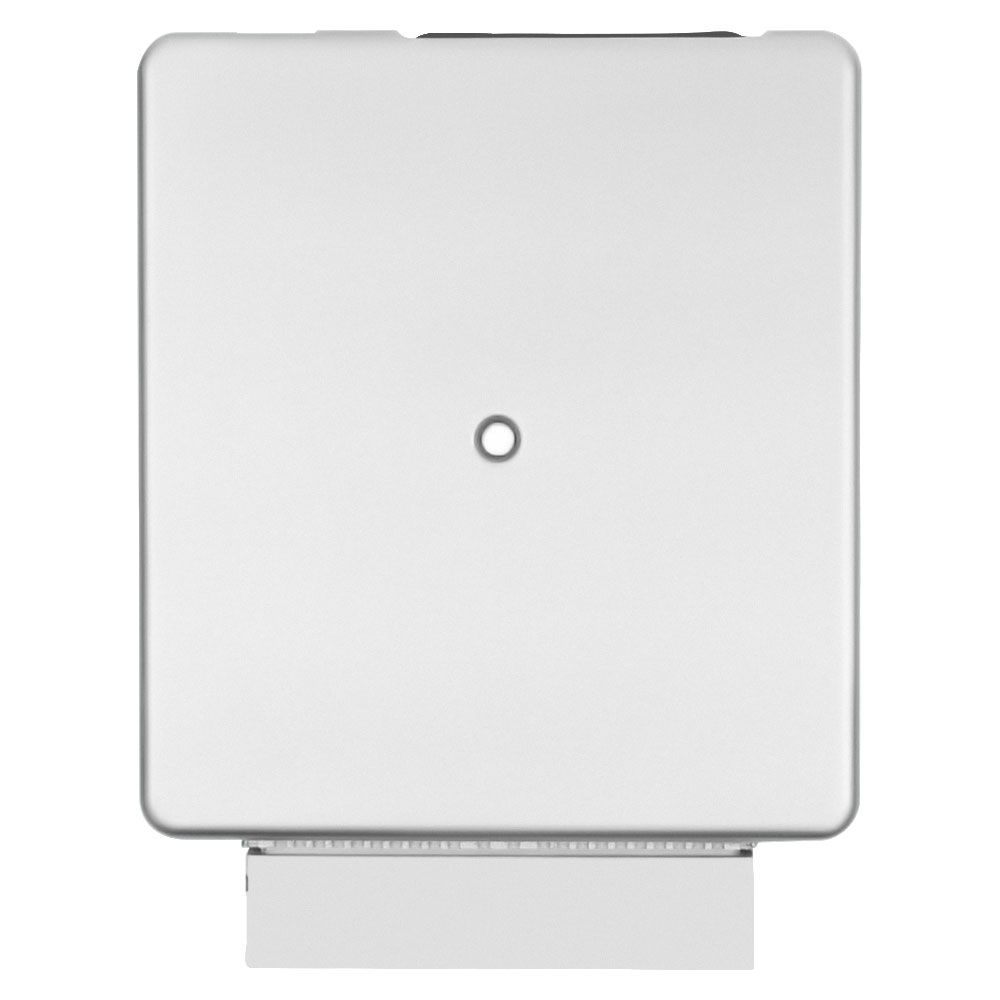
Flagship One stocks a refurbished, VIN-programmed PCM for the 1990 Ford Probe with a lifetime warranty, free shipping and no core charge. The full Ford Probe module lineup covers other engine configurations as well.
The Powertrain Control Module in your 1990 Ford Probe is a critical component that manages engine and transmission functions. When it fails, the vehicle may stall, run poorly, or refuse to start. Replacing it involves removing the old module and installing a pre-programmed unit to avoid additional setup steps. If you’ve noticed any of the symptoms discussed, consider having the PCM inspected or replaced. With the right module, your Probe can continue running reliably for years to come.