
Last updated on August 25th, 2026 at 01:15 pm
The Powertrain Control Module (PCM) in your 1991 Ford Bronco manages fuel delivery, ignition timing, and emissions controls for the 4.9L inline-six. Failures often stem from voltage spikes, corrosion, or internal circuit breakdown, leading to poor drivability or no-start conditions.
If your 1991 Ford Bronco with the 4.9L engine is running rough, stalling, or refusing to start, the Powertrain Control Module (PCM) may be the culprit. This small but critical computer manages fuel injection, ignition timing, and emissions systems, ensuring the engine runs efficiently. Over time, exposure to heat, moisture, or electrical issues can degrade its performance. When the PCM fails, symptoms can range from subtle drivability problems to complete engine shutdown. Replacing it involves removing the old unit, installing a new one, and often performing a relearn procedure to synchronize it with your vehicle’s systems. Understanding how the PCM functions and what to expect during replacement can help you make informed decisions about repairs and avoid unnecessary downtime. This guide covers the module’s role, common failure signs, and the steps involved in getting your Bronco back on the road.
1991 Ford Bronco 4.9L: When the
OEM programmed replacements — plug & play, no dealer visit.
Find yours by year, make & model →
Free shipping · Lifetime warranty
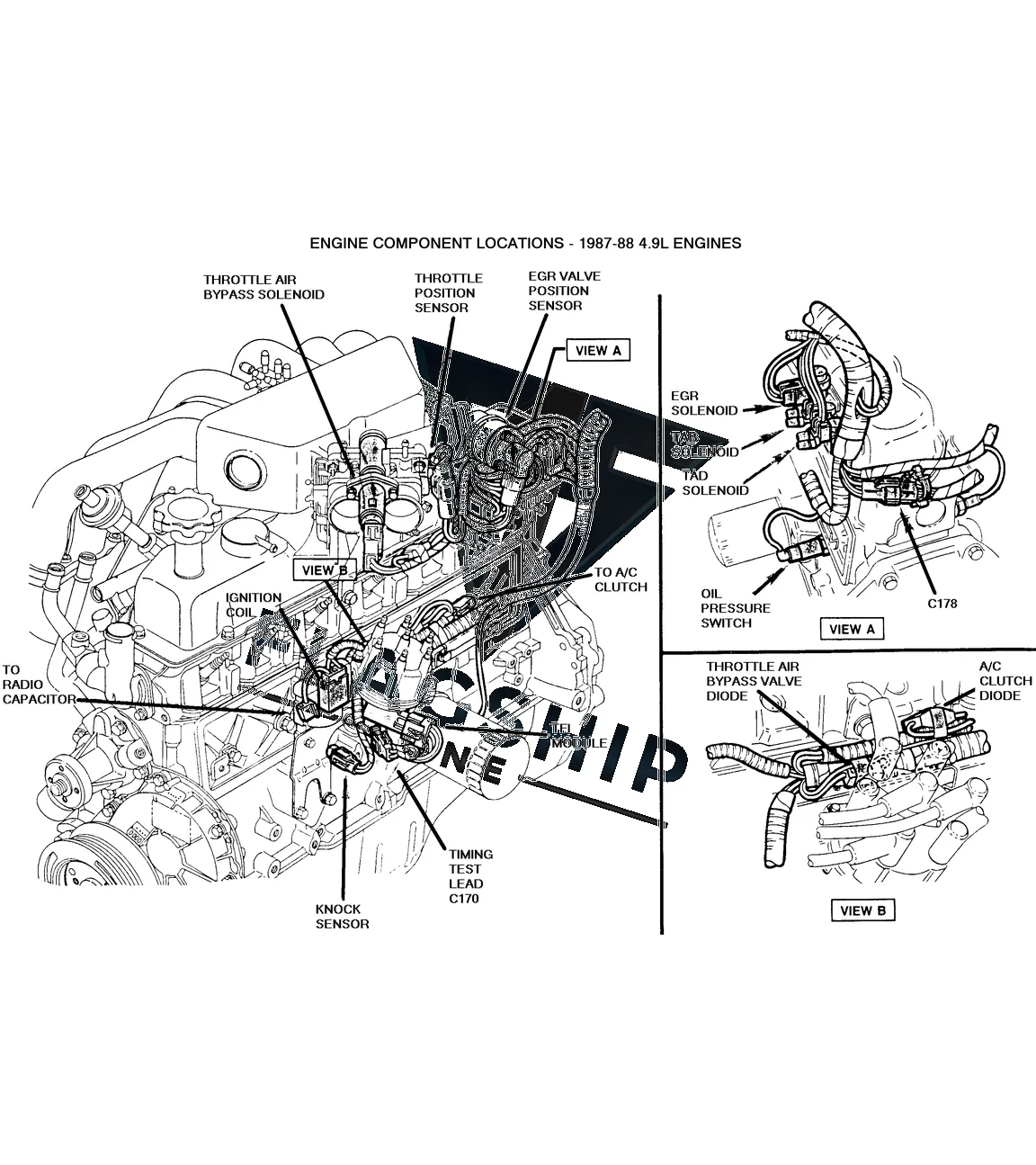
The Powertrain Control Module (PCM) in your 1991 Ford Bronco is the brain behind the 4.9L engine’s operation. It continuously monitors inputs from sensors—such as the throttle position, coolant temperature, and oxygen sensors—to adjust fuel delivery, ignition timing, and idle speed. This ensures optimal performance, fuel efficiency, and emissions compliance. Unlike modern vehicles with separate engine and transmission control modules, the Bronco’s PCM integrates both functions into a single unit. If the module fails, the engine may run poorly or not at all, as it relies on the PCM’s calculations to maintain smooth operation. The system includes a Failure Mode Effects Management (FMEM) feature, which allows the engine to operate in a limited capacity if a sensor signal is lost, preventing a complete shutdown. For owners needing a replacement, replacement engine computers for the Bronco are available to restore full functionality without extensive reprogramming.
The PCM in your 1991 Ford Bronco is located inside the passenger compartment, typically mounted behind the dashboard or under the glove box. Accessing it requires removing interior panels, which can be time-consuming but straightforward for a mechanic. The factory labor guide estimates 0.9 hours for removal and reinstallation of the module. Once the old unit is disconnected, the new PCM is installed in its place, and electrical connectors are secured. There are no specific torque specifications provided for this procedure, but ensuring a snug, corrosion-free connection is critical. After installation, a relearn procedure may be necessary to calibrate the module to your vehicle’s systems, adding another 0.5 hours of labor if required.
| Operation | Configuration | Book Time |
|---|---|---|
| Powertrain Control Module R&R | All configurations | 0.9 hr |
| Powertrain Control Module Relearn | All configurations | 0.5 hr |
| Engine Control Module Relearn | All configurations | 0.5 hr |
| Engine Control Module R&R | All configurations | 0.9 hr |
After replacing the PCM in your 1991 Ford Bronco, the factory procedure typically requires a relearn process to synchronize the new module with the engine and transmission. This step, which takes about 0.5 hours, ensures the PCM adapts to your vehicle’s specific sensor readings and operating conditions. However, if you install a VIN-programmed replacement unit, this relearn step is already completed at the factory. Flagship One’s pre-programmed modules are matched to your Bronco’s VIN, eliminating the need for additional shop time or specialized equipment. This means your vehicle can be back on the road faster, with the new PCM fully integrated and ready to perform as intended.
When the PCM in your 1991 Ford Bronco begins to fail, you may notice a range of symptoms that affect drivability. The engine might stall unexpectedly, especially at idle or during deceleration, or it could refuse to start altogether. Poor acceleration, rough running, or misfires are also common signs of a struggling PCM, as the module may no longer be able to accurately control fuel injection or ignition timing. In some cases, the vehicle may enter a limp-home mode, where the engine runs in a reduced-power state to prevent further damage. Electrical issues, such as intermittent power loss to sensors or actuators, can also arise, leading to erratic behavior like surging or hesitation. If the PCM loses communication with the scan tool, diagnosing the problem becomes more challenging, as the module may not report specific faults. While this Bronco does not use standardized OBD-II codes, internal diagnostics may still flag issues like a memory integrity fault or other module-related errors.
The PCM controls fuel injection and ignition timing, so when it malfunctions, it may send incorrect signals to the engine. This can cause the engine to stall, especially at idle or during sudden deceleration, as the module struggles to maintain stable operation.
While the FMEM feature allows the engine to run in a limited capacity, driving with a failing PCM is not recommended. The vehicle may experience poor performance, stalling, or even a no-start condition, leaving you stranded. Replacing the module is the best solution.
Common signs include stalling, rough running, misfires, or a no-start condition. If the engine enters limp-home mode or loses communication with a scan tool, the PCM may be failing. A professional diagnosis can confirm the issue.
PCM failures are often caused by voltage spikes, corrosion in electrical connectors, or internal circuit breakdown due to age and heat. Moisture intrusion or poor grounding can also contribute to premature failure.
The factory procedure typically includes a relearn step to synchronize the new module with the engine and transmission. However, if you install a VIN-programmed replacement unit, this step is often unnecessary, saving time and labor costs.
If your 1991 Ford Bronco is experiencing PCM-related issues, you have options for repair or replacement. While some shops may attempt to refurbish the existing module, a new or remanufactured unit can provide a more reliable long-term solution. Flagship One offers VIN-programmed replacements that eliminate the need for additional programming, ensuring your Bronco is back on the road with minimal downtime. Consider the age and condition of your vehicle when deciding between repair and replacement to ensure the best outcome.
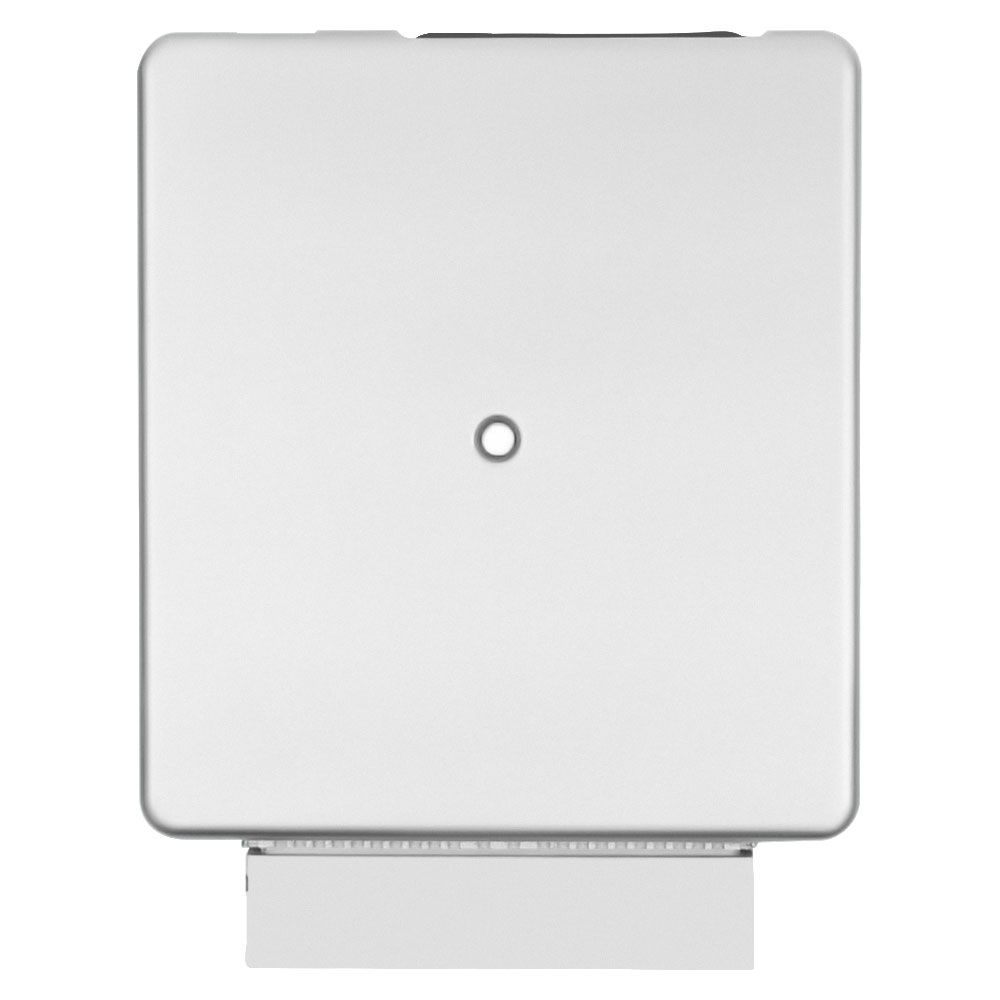
Flagship One stocks a refurbished, VIN-programmed PCM for the 1991 Ford Bronco with a lifetime warranty, free shipping and no core charge. The full Ford Bronco module lineup covers other engine configurations as well.
The Powertrain Control Module in your 1991 Ford Bronco plays a critical role in keeping the 4.9L engine running smoothly. When it fails, symptoms like stalling, rough running, or a no-start condition can disrupt your daily driving. Replacing the module is a straightforward process, but choosing a VIN-programmed unit can save time and hassle. Whether you’re tackling the job yourself or leaving it to a professional, addressing PCM issues promptly will help maintain your Bronco’s reliability for years to come.