
Last updated on August 25th, 2026 at 01:41 pm
The Powertrain Control Module (PCM) in your 1988 Ford Bronco acts as the brain for the 5.0L engine and transmission. It processes sensor data to control fuel delivery, ignition timing, and emissions systems. Failures often stem from voltage spikes, corrosion, or internal circuit degradation.
If your 1988 Ford Bronco has been running rough, stalling unexpectedly, or refusing to start, the Powertrain Control Module (PCM) may be the culprit. This small but critical component oversees nearly every aspect of engine performance, from fuel delivery to ignition timing. When it fails, the symptoms can range from subtle drivability issues to complete engine shutdown. Replacing the PCM in your Bronco is not overly complex, but it does require careful handling and a post-installation procedure to ensure everything works as it should. Understanding what the PCM does, where it’s located, and what to expect during replacement can help you make an informed decision about repairs. Whether you’re tackling the job yourself or leaving it to a shop, knowing the basics will save you time and frustration.
The Powertrain Control Module (PCM) in your 1988 Ford Bronco is the central computer responsible for managing the 5.0L engine and transmission. It continuously monitors inputs from sensors like the oxygen sensor, throttle position sensor, and crankshaft position sensor to adjust fuel injection, ignition timing, and idle speed. The PCM also controls emissions systems, ensuring your Bronco meets the standards of its era. If a sensor fails, the PCM relies on back-up programs to keep the engine running, though performance may suffer. Over time, exposure to heat, moisture, or voltage fluctuations can degrade the module’s internal circuits, leading to erratic behavior or failure. When this happens, replacing the PCM with replacement engine computers for the Bronco is often the most straightforward solution. Without a functioning PCM, your Bronco may struggle to start, run inefficiently, or even leave you stranded.
1988 Ford Bronco 5.0L: When the
OEM programmed replacements — plug & play, no dealer visit.
Find yours by year, make & model →
Free shipping · Lifetime warranty
In the 1988 Ford Bronco, the PCM is mounted inside the passenger compartment, typically behind the dashboard or near the glove box. Accessing it requires removing interior panels, which can be time-consuming but is generally straightforward. Once exposed, the PCM is secured with a mounting bracket and connected via a wiring harness. Disconnecting the battery before removal is recommended to prevent electrical issues. Reinstalling the PCM involves reversing the removal steps, ensuring all connectors are properly seated and the module is securely fastened. Labor time for removal and replacement is typically 0.9 hours, according to factory guidelines. After installation, a relearn procedure of 0.5 hours is required to synchronize the new PCM with your Bronco’s systems.
| Operation | Configuration | Book Time |
|---|---|---|
| Powertrain Control Module R&R | Bronco | 0.9 hr |
| Powertrain Control Module R&R | Bronco II | 0.9 hr |
| Powertrain Control Module Relearn | Bronco | 0.5 hr |
| Powertrain Control Module Relearn | Bronco II | 0.5 hr |
| Engine Control Module Relearn | All configurations | 0.5 hr |
| Engine Control Module R&R | Bronco | 0.9 hr |
| Engine Control Module R&R | Bronco II | 0.9 hr |
After replacing the PCM in your 1988 Ford Bronco, a relearn procedure is necessary to ensure the new module communicates correctly with the engine and transmission. This process, which typically takes 0.5 hours, allows the PCM to adapt to your vehicle’s specific characteristics, such as fuel trims and idle settings. However, if you install a VIN-programmed replacement unit, this step is already completed at the factory. The module arrives pre-configured to match your Bronco’s original settings, eliminating the need for additional programming. This not only saves time but also reduces the risk of errors during the relearn process. Always confirm that the replacement PCM is compatible with your vehicle’s VIN to avoid compatibility issues.
A failing PCM in your 1988 Ford Bronco may cause a variety of symptoms, some of which can mimic other issues. Common signs include intermittent stalling, especially at idle or during deceleration, as the PCM struggles to maintain proper fuel and ignition timing. You might also notice rough idling, misfires, or a lack of power during acceleration, as the module fails to adjust engine parameters correctly. In some cases, the Bronco may refuse to start altogether, leaving you with a cranking engine that never fires. Electrical gremlins, such as erratic gauge readings or malfunctioning accessories, can also point to PCM trouble. If the module loses communication with the engine’s sensors, it may trigger internal fault codes, such as an internal control module memory checksum error, which can illuminate the check engine light. These symptoms often worsen over time, so addressing them promptly can prevent further drivability issues.
Replacing the PCM in your Bronco is a manageable task if you’re comfortable with basic automotive repairs. The module is located inside the passenger compartment, so you’ll need to remove interior panels to access it. If you’re unsure about the process or lack the tools, a professional mechanic can complete the job in under an hour. Always disconnect the battery before starting to avoid electrical issues.
Stalling after a PCM replacement is often due to the need for a relearn procedure. The new module must adapt to your Bronco’s specific engine and transmission characteristics, which takes about 0.5 hours. If the relearn isn’t performed, the PCM may not control fuel delivery or ignition timing correctly, leading to stalling or rough running. Using a pre-programmed unit can eliminate this step.
A bad PCM often causes multiple symptoms, such as stalling, misfires, or a no-start condition. If these issues persist after checking sensors, fuel delivery, and ignition components, the PCM may be the culprit. A diagnostic scan can reveal internal fault codes, such as an internal memory error, which may confirm PCM failure. However, other issues like a faulty ignition module or fuel pump can mimic PCM problems, so thorough testing is key.
A used PCM from another Bronco may work, but it’s not guaranteed. The module must be compatible with your vehicle’s engine and transmission configuration. Additionally, used PCMs may have internal wear or damage, leading to unreliable performance. If you choose this route, ensure the unit is tested and, if possible, pre-programmed to your Bronco’s VIN to avoid compatibility issues.
Ignoring a failing PCM can lead to worsening drivability issues, such as frequent stalling, poor fuel economy, or even a no-start condition. The PCM’s back-up programs may allow limited engine function, but performance will degrade over time. In some cases, a failing PCM can cause damage to other components, such as the catalytic converter, due to improper fuel delivery. Addressing the issue promptly can save you from more costly repairs down the road.
If your 1988 Ford Bronco is experiencing PCM-related issues, you have a few options for repair. A professional mechanic can diagnose and replace the module, ensuring the relearn procedure is completed correctly. Alternatively, a refurbished or new replacement PCM, pre-programmed to your Bronco’s VIN, can simplify the process and reduce downtime. Given the age of these vehicles, sourcing a reliable replacement is often the most practical solution for restoring performance and reliability.
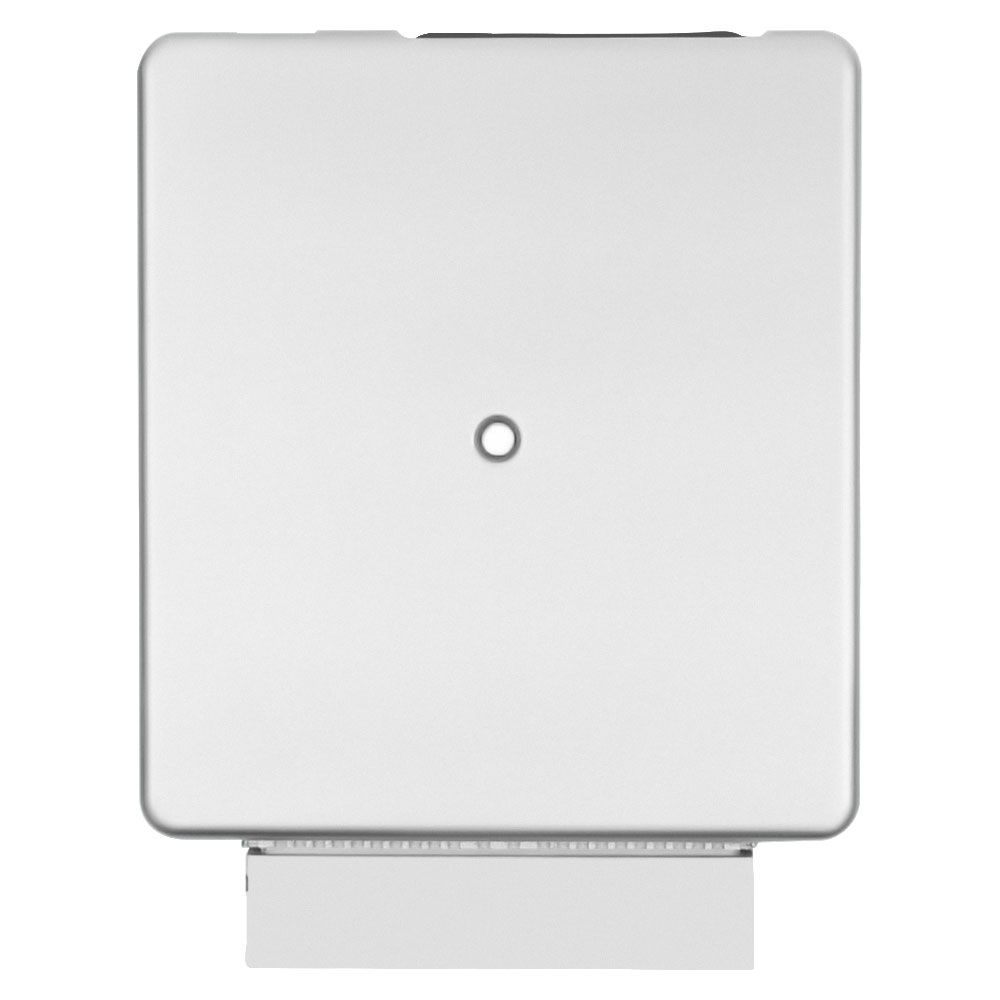
Flagship One stocks a refurbished, VIN-programmed PCM for the 1988 Ford Bronco with a lifetime warranty, free shipping and no core charge. The full Ford Bronco module lineup covers other engine configurations as well.
The Powertrain Control Module in your 1988 Ford Bronco plays a critical role in keeping the 5.0L engine running smoothly. When it fails, symptoms like stalling, misfires, or a no-start condition can leave you stranded. Replacing the PCM is a straightforward process, but it requires careful handling and a post-installation relearn procedure. By understanding the module’s function, location, and replacement steps, you can make an informed decision about repairs. Whether you choose to tackle the job yourself or rely on a professional, addressing PCM issues promptly will help keep your Bronco on the road for years to come.