
Last updated on August 25th, 2026 at 01:41 pm
The engine control module in your 1991 Ford Aerostar manages fuel delivery, ignition timing, and emissions systems. When it fails, you may experience stalling, rough idle, or a no-start condition without warning.
If your 1991 Ford Aerostar has been acting up—stalling unexpectedly, idling roughly, or refusing to start—it may be time to consider the engine computer. This small but critical component, often called the powertrain control module, manages everything from fuel delivery to ignition timing. When it begins to fail, the symptoms can be frustrating and unpredictable. Understanding what this module does, where it’s located, and what replacement involves can help you make informed decisions. You’ll also learn why addressing these issues promptly can prevent further complications, and how choosing the right replacement unit can save you time and hassle during installation.
The engine control module in your 1991 Ford Aerostar is the brain behind your vehicle’s engine performance. It continuously monitors inputs from sensors throughout the engine bay, adjusting fuel injection, ignition timing, and emissions controls to keep everything running smoothly. Without this module, your Aerostar wouldn’t know how much fuel to deliver or when to spark the plugs, leading to poor performance or a complete no-start condition. Over time, these modules can degrade due to heat, vibration, or electrical issues, which may cause intermittent or permanent failures. When replacement becomes necessary, you’ll want to ensure you’re installing replacement engine computers for the Aerostar that are designed to work seamlessly with your vehicle’s systems. A properly functioning module is essential for maintaining fuel efficiency, reducing emissions, and ensuring reliable operation, especially in a vehicle that’s seen decades of use.
1991 Ford Aerostar 3.0L: When the
OEM programmed replacements — plug & play, no dealer visit.
Find yours by year, make & model →
Free shipping · Lifetime warranty
In the 1991 Ford Aerostar, the engine control module is mounted inside the passenger compartment, typically behind the dashboard on the right side. Accessing it requires removing the lower dashboard panel, which may involve disconnecting a few electrical connectors and fasteners. Once the panel is out of the way, you’ll see the module secured in place. Replacement involves unplugging the wiring harness, removing the mounting bolts, and installing the new unit in reverse order. The factory labor time for removing and reinstalling the module is about one hour. After installation, the module must undergo a relearn procedure, which adds another half-hour to the process. This step ensures the module synchronizes with the engine’s sensors and systems, allowing for proper operation.
| Operation | Configuration | Book Time |
|---|---|---|
| Powertrain Control Module R&R | All configurations | 1.0 hr |
| Powertrain Control Module Relearn | All configurations | 0.5 hr |
| Engine Control Module Relearn | All configurations | 0.5 hr |
| Engine Control Module R&R | All configurations | 1.0 hr |
After replacing the engine control module in your 1991 Ford Aerostar, the factory procedure requires a relearn process to ensure the new unit communicates correctly with the vehicle’s sensors. This typically involves a half-hour of labor, during which the module adapts to the engine’s specific parameters. However, if you opt for a VIN-programmed replacement unit, these relearn steps are already completed at the factory. This means you can install the module and drive the vehicle without additional programming, saving time and reducing the risk of post-installation issues. The pre-programmed unit is matched to your Aerostar’s VIN, ensuring compatibility with its engine and transmission systems right out of the box.
When the engine control module in your 1991 Ford Aerostar begins to fail, you may notice a range of symptoms that can make driving unpredictable. One of the most common signs is stalling, particularly when the engine is warm or under load. The vehicle may also hesitate or jerk during acceleration, as the module struggles to adjust fuel delivery or ignition timing. In some cases, the engine may refuse to start altogether, leaving you stranded. Rough idling is another frequent issue, often accompanied by a check engine light. If the module loses communication with the vehicle’s sensors, you might experience shifting problems in the transmission, as the module plays a role in managing gear changes. Another telltale sign is poor fuel economy, as the module’s inability to optimize fuel delivery can lead to excessive fuel consumption. In rare cases, the module may trigger a memory integrity fault, indicating internal corruption that requires immediate attention. Addressing these symptoms early can prevent more severe issues, such as catalytic converter damage or complete engine failure.
Ford issued a service bulletin (#95-10-02) addressing issues with the malfunction indicator lamp illuminating in the 1991 Aerostar. This bulletin specifically targets vehicles equipped with the distributorless ignition system and focuses on the ignition control module connector. The factory identified that a revised retention clip and seal could prevent wiring-related faults that trigger the warning light. If your Aerostar’s check engine light comes on intermittently, this bulletin may provide guidance on inspecting and updating the connector to resolve the issue.
| Bulletin | Subject | What It Addresses |
|---|---|---|
| 95-10-02 | “MALFUNCTION INDICATOR LAMP” (MIL) ILLUMINATED – DISTRIBUTORLESS IGNITION SYSTEM (DIS) ONLY – I | — |
Stalling in warm conditions is often linked to the engine control module’s inability to maintain consistent fuel delivery or ignition timing. Heat can exacerbate existing weaknesses in the module, leading to intermittent failures. Replacing the module with a pre-programmed unit may resolve the issue.
A failing engine control module may cause multiple symptoms simultaneously, such as stalling, rough idling, and poor fuel economy. If individual sensors were the problem, you’d typically see isolated issues, like a single misfire or a specific performance hiccup. A professional scan tool can help differentiate between the two.
While the vehicle may still run intermittently, driving with a failing engine control module is risky. You may experience sudden stalling, poor acceleration, or even a no-start condition. Addressing the issue promptly can prevent further damage to other components, like the catalytic converter.
In the 1991 Ford Aerostar, the terms are often used interchangeably, as the same module manages both engine and transmission functions. The powertrain control module is responsible for regulating fuel delivery, ignition timing, and shifting patterns, making it a critical component for overall drivability.
Yes, the factory procedure requires a half-hour relearn process after installation. However, if you install a VIN-programmed replacement unit, this step is unnecessary, as the module arrives pre-configured for your vehicle’s specific systems.
If your 1991 Ford Aerostar is showing signs of engine control module failure, you have options. While a repair might seem cost-effective, it often only provides a temporary fix, especially in a vehicle of this age. A refurbished or new replacement unit, pre-programmed to your Aerostar’s VIN, ensures reliable performance without the hassle of post-installation relearn procedures. This approach can save you time and frustration, allowing you to get back on the road with confidence.
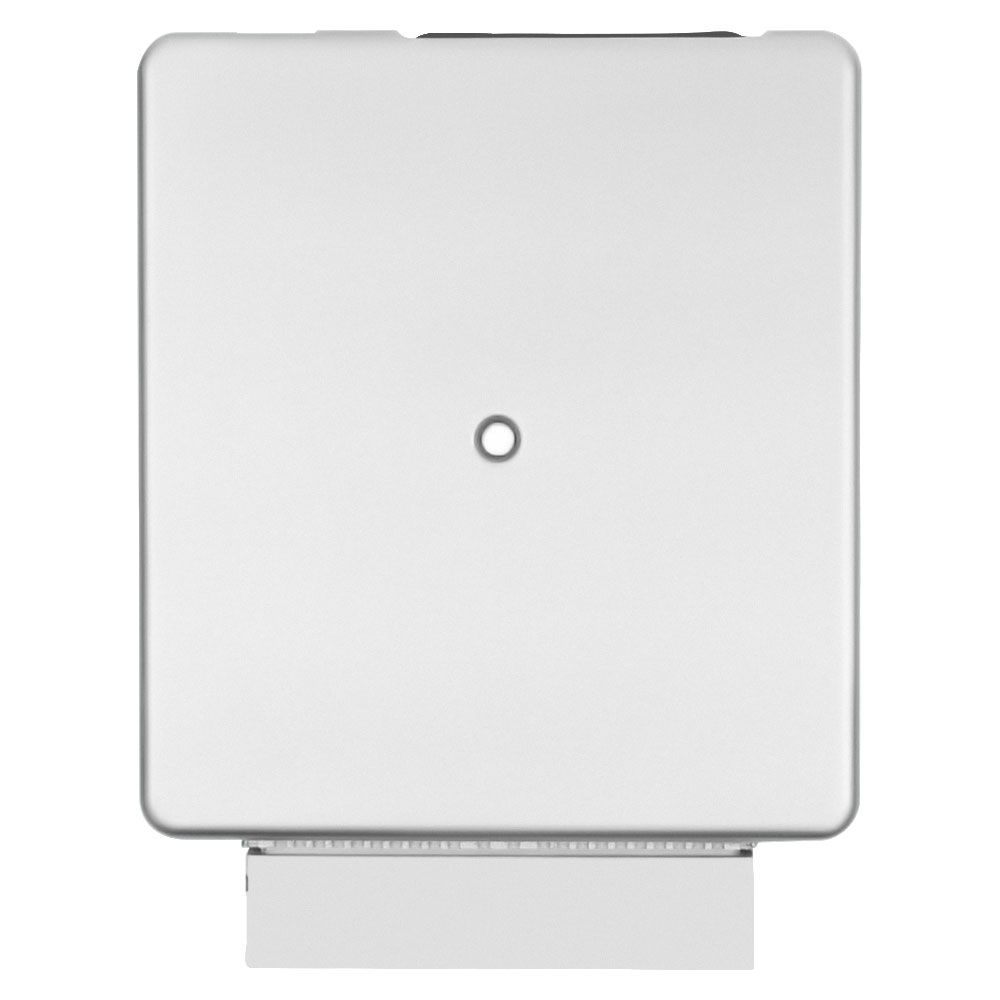
Flagship One stocks a refurbished, VIN-programmed PCM for the 1991 Ford Aerostar with a lifetime warranty, free shipping and no core charge. The full Ford Aerostar module lineup covers other engine configurations as well.
The engine control module in your 1991 Ford Aerostar plays a vital role in keeping your vehicle running smoothly. If you’re experiencing stalling, rough idling, or other performance issues, it may be time to consider a replacement. Opting for a pre-programmed unit can simplify the process, ensuring your Aerostar remains reliable for years to come. Addressing these issues now can prevent more costly repairs down the road.