
Last updated on August 25th, 2026 at 01:15 pm
Owning a 1990 Ford Bronco II often means managing the transition from purely mechanical systems to early electronic engine management. The vehicle relies on a central computer, referred to as either the Powertrain Control Module or Engine Control Module, to maintain the balance of the 2.9L engine. Over time, the internal circuitry of these modules may degrade due to heat cycles and age, leading to unpredictable engine performance. When the hardware inside the module fails, the vehicle may exhibit symptoms that mimic mechanical failures, such as lean fuel mixtures or ignition timing drifts. Understanding how these electronics function and how to replace them is essential for maintaining the reliability of the vehicle. By identifying the signs of computer failure and understanding the labor involved in a swap, you can ensure your vehicle returns to its original operating specifications without unnecessary guesswork or prolonged downtime in the garage.
The PCM or ECM in the 1990 Ford Bronco II is the primary controller for the engine’s operational parameters. It continuously monitors data from various sensors to determine the precise amount of fuel to inject and the exact moment to fire the spark plugs. This constant adjustment ensures the 2.9L engine runs efficiently across different altitudes and temperatures. Without a functioning module, the engine cannot maintain a steady idle or respond correctly to throttle inputs. This component is critical because it translates sensor voltages into mechanical actions, making it the heartbeat of the powertrain. When seeking replacement computers for the 1990 Ford Bronco II, it is important to recognize that this module does more than just spark the engine; it manages the entire combustion cycle. If the internal capacitors or solder joints fail, the module may send erratic signals to the fuel injectors, leading to poor fuel economy or sudden stalling. Because this unit is the central point of failure for many electrical engine issues, ensuring its health is paramount for the longevity of the 2.9L powertrain and overall driveability.
1990 Ford Bronco II
OEM programmed ECM for your 1990 Ford Bronco II — plug & play, no dealer visit.
Free shipping · Lifetime warranty
The module is located in a specific area of the 1990 Ford Bronco II designed for accessibility during service. Replacing the Powertrain Control Module or Engine Control Module is a straightforward process for a technician. According to book times, the removal and replacement of the PCM or ECM typically takes 0.9 hours. This process involves disconnecting the electrical harnesses and unmounting the unit from its bracket. Because the module is sensitive to static and physical damage, careful handling during the extraction is necessary. Once the old unit is removed and the new one is secured, the electrical connections must be seated firmly to ensure a reliable signal between the sensors and the computer.
| Operation | Configuration | Book Time |
|---|---|---|
| Powertrain Control Module R&R | Bronco | 0.9 hr |
| Powertrain Control Module R&R | Bronco II | 0.9 hr |
| Powertrain Control Module Relearn | Bronco | 0.5 hr |
| Powertrain Control Module Relearn | Bronco II | 0.5 hr |
| Engine Control Module Relearn | All configurations | 0.5 hr |
| Engine Control Module R&R | Bronco | 0.9 hr |
| Engine Control Module R&R | Bronco II | 0.9 hr |
Following the installation of a new module, the factory service manual typically requires a relearn procedure to optimize engine performance. For the 1990 Ford Bronco II, the PCM or ECM relearn process is listed at 0.5 hours of labor. This step ensures the computer is synchronized with the specific mechanical tolerances of the 2.9L engine. However, the need for this manual labor is reduced when using a VIN-programmed replacement unit from Flagship One. Because these modules arrive with the necessary programming already completed, the time-consuming factory relearn steps are handled before the part ever reaches your door, allowing for a faster return to the road.
Identifying a failing computer in a 1990 Ford Bronco II can be challenging because the symptoms often overlap with other mechanical issues. A common sign of module failure is a complete no-start condition, where the engine cranks but the computer fails to trigger the fuel pump or ignition system. You may also experience sudden stalling while idling or during low-speed maneuvers, which often happens when internal components overheat. Misfiring is another frequent symptom, as the ECM may send incorrect timing signals to the cylinders. In some cases, the vehicle may exhibit a very lean or rich condition, leading to poor fuel efficiency and rough idling. Additionally, you might find that the vehicle no longer communicates with diagnostic equipment, leaving the technician unable to pull stored data. These failures typically occur without warning and can make the vehicle unreliable for daily use, as the electronic faults can appear and disappear intermittently based on the temperature of the module.
The module is mounted in a dedicated location designed for easy access. Replacement generally takes about 0.9 hours of labor.
The factory procedure typically requires a 0.5 hour relearn process. Units from Flagship One come pre-programmed to eliminate this requirement.
Yes, a failing module can cause erratic signals to the fuel and ignition systems, which often results in sudden stalling or no-start conditions.
The book time for the removal and replacement of the PCM or ECM is 0.9 hours.
In the 1990 Ford Bronco II, these terms are often used interchangeably to describe the main engine control computer.
When dealing with a failing computer in a 1990 Ford Bronco II, you have a choice between attempting a complex circuit repair or opting for a professional replacement. Given the age of the 2.9L engine electronics, a replacement module is often the most reliable path to restoring consistent performance. Choosing a unit tailored to your specific vehicle ensures that the fuel and timing parameters are correct from the moment of installation.
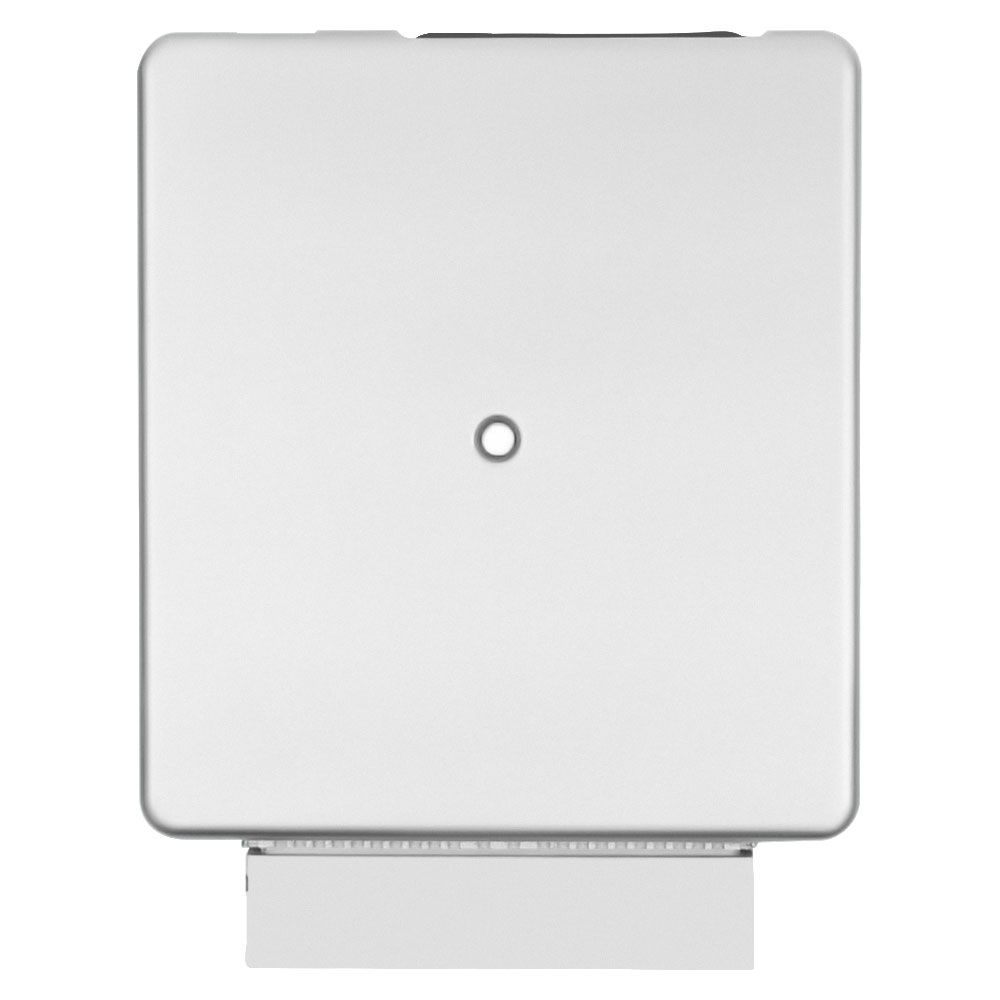
Flagship One stocks a refurbished, VIN-programmed PCM for the 1990 Ford Bronco II with a lifetime warranty, free shipping and no core charge. The full Ford Bronco II module lineup covers other engine configurations as well.
Restoring the electronic heart of your 1990 Ford Bronco II is the most effective way to resolve erratic idling, stalling, and no-start issues. By replacing the failed PCM or ECM with a programmed unit, you can bypass lengthy relearn procedures and get your vehicle back in peak condition. For reliable replacement options, explore the specialized modules available for your vehicle.