
Last updated on August 25th, 2026 at 01:40 pm
In a 1993 Ford Festiva, the PCM/ECM manages engine and transmission functions. A failure can result in loss of power, rough idling, or a complete lack of engine response.
A 1993 Ford Festiva may develop electrical symptoms that confuse a casual owner: the engine stalls, the dash lights flicker, or the vehicle refuses to start. These issues often point to a malfunctioning Powertrain Control Module or Engine Control Module. Replacing these modules can restore your Festiva’s performance, but the process requires careful access to the dashboard, accurate timing, and a relearn procedure. This guide explains where the modules sit, how long the job takes, what the replacement entails, and how to avoid common pitfalls. By the end of this article you will know the exact steps to replace the PCM/ECM, the factory programming that is already handled by Flagship One, and how to keep the new unit running smoothly.
1993 Ford Festiva
OEM programmed ECM for your 1993 Ford Festiva — plug & play, no dealer visit.
Free shipping · Lifetime warranty
The PCM and ECM in the 1993 Ford Festiva are the heart of the vehicle’s electronic control system. They read sensor inputs and dictate ignition timing, fuel delivery, and transmission shift logic. 1993 Ford Festiva Powertrain Control Module These modules communicate with the engine, transmission, and various sensors to maintain optimal performance and fuel efficiency. When either module fails, the vehicle may exhibit symptoms such as no-start conditions, rough idle, or erratic shifting, because the engine no longer receives correct commands. Replacing the PCM/ECM restores the vehicle’s ability to process sensor data and execute precise control actions, which is essential for reliable operation.
The Powertrain Control Module and Engine Control Module are located beneath the instrument panel on the passenger side of the dashboard. Access requires removal of the lower dash trim and a 0.9‑hour labor estimate for each module’s removal and installation. After the new unit is seated, a 0.5‑hour relearn procedure for the Powertrain Control Module is performed to synchronize the transmission with the new electronics. No special tools beyond standard automotive diagnostic equipment are needed, and the modules are torqued to factory specifications during installation.
| Operation | Configuration | Book Time |
|---|---|---|
| Engine Control Module R&R | All configurations | 0.9 hr |
| Powertrain Control Module R&R | All configurations | 0.9 hr |
| Powertrain Control Module Relearn | All configurations | 0.5 hr |
After the modules are installed, the factory procedure calls for a relearn of the Powertrain Control Module. However, Flagship One units arrive VIN‑programmed, meaning that the relearn step is already completed. Consequently, the only requirement is the 0.5‑hour relearn procedure to align the transmission, which is handled automatically by the VIN‑programmed replacement unit during installation. This eliminates the need for a separate coding session after the swap.
A failing PCM or ECM in a 1993 Ford Festiva can trigger a range of problems. Drivers may notice the engine will not start, or if it does, it may stall immediately after launch. The vehicle might exhibit rough idling, misfires, or a loss of power during acceleration. In some cases the dash may show a check‑engine light, but no specific trouble code appears. The module’s loss of communication can also cause the transmission to shift erratically or not shift at all. If a diagnostic scan reveals Powertrain Control Module Circuit this indicates a fault within the module’s internal circuitry.
Replacing the modules requires removing the dashboard trim and accessing a location behind the instrument panel, which can be time‑consuming. While it is possible for an experienced DIY mechanic, the job involves precise timing and a relearn procedure that may be easier with professional tools.
Flagship One units come VIN‑programmed, so the factory coding step is already completed. Only a brief relearn procedure for the Powertrain Control Module is needed during installation.
Symptoms such as a complete no‑start condition, sudden engine stalls, rough idle, or erratic shifting are common signs of a failing module. If a scan reveals a P0601 code, that is a strong indicator of an internal fault.
The 1993 Ford Festiva uses a combined Powertrain Control Module that serves both engine and transmission functions. Replacing this single module addresses both sets of functions.
The relearn for the Powertrain Control Module typically requires 0.5 hours of labor, during which the module synchronizes with the transmission.
If your 1993 Ford Festiva is showing signs of a failing PCM/ECM, you have two viable paths: a factory‑style refurbishment that includes a relearn, or a direct replacement with a Flagship One unit that is pre‑programmed. Both options bring your vehicle back to reliable operation, though the refurbished route may involve a longer diagnostic cycle. Consider your budget and timeline when choosing the best solution for your Festiva.
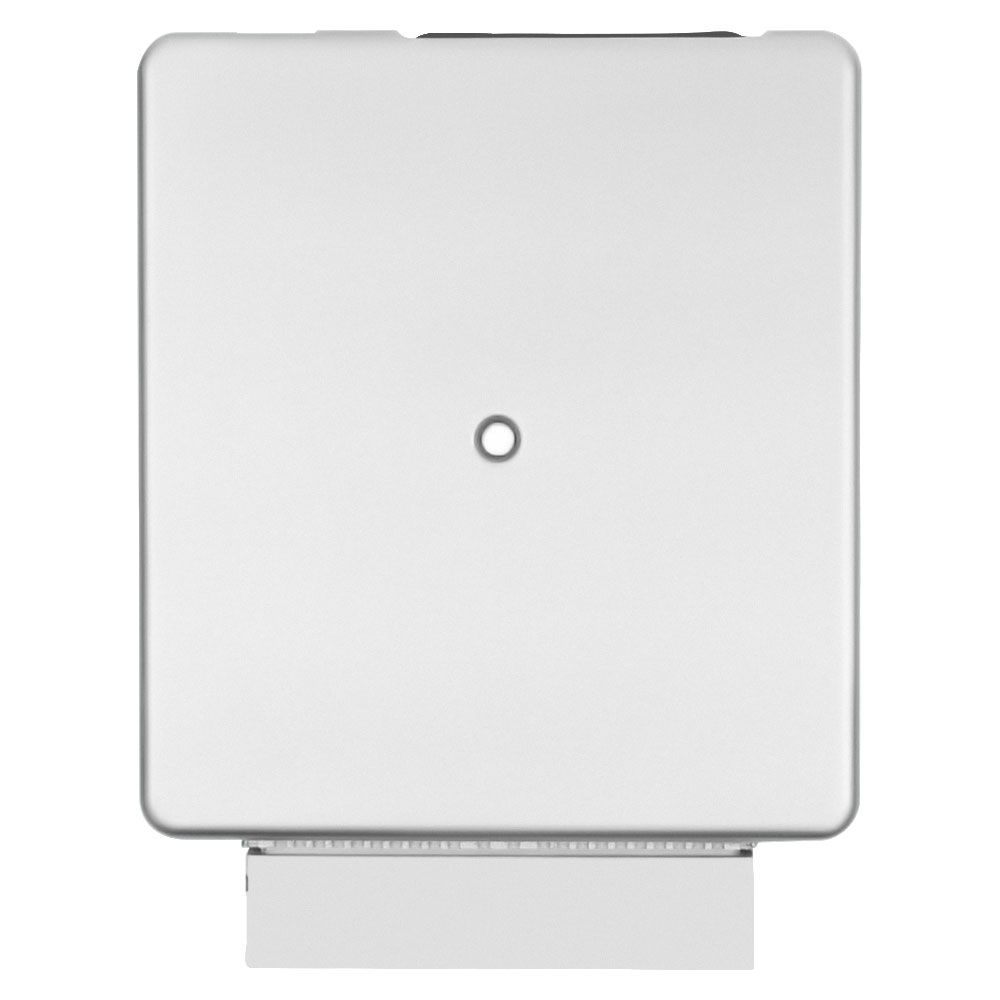
Flagship One stocks a refurbished, VIN-programmed PCM for the 1993 Ford Festiva with a lifetime warranty, free shipping and no core charge. The full Ford Festiva module lineup covers other engine configurations as well.
A 1993 Ford Festiva can regain dependable performance with a proper PCM/ECM replacement. By following this guide and choosing a pre‑programmed unit, you can avoid lengthy coding steps and restore smooth operation quickly.