
Last updated on August 25th, 2026 at 01:41 pm
The Powertrain Control Module (PCM) in your 1989 Ford Bronco manages fuel delivery, ignition timing, and emissions systems. Failures may stem from voltage spikes, corrosion, or internal circuit degradation, often causing no-start conditions or erratic engine behavior.
If your 1989 Ford Bronco has developed a stubborn no-start condition, stalls unexpectedly, or runs with noticeable hesitation, the Powertrain Control Module (PCM) may be the culprit. This small but critical computer governs everything from fuel injection to ignition timing, and its failure can leave you stranded. Unlike modern vehicles with self-diagnostic systems, the Bronco’s pre-OBD-II setup relies on simpler but equally vital electronics. Understanding how the PCM functions, where it’s located, and what replacement entails can save you time and frustration. Whether you’re diagnosing an intermittent issue or preparing for a full replacement, knowing the labor requirements and programming steps ensures you’re not caught off guard. A properly functioning PCM keeps your Bronco running smoothly, and addressing problems early can prevent more costly repairs down the road.
The Powertrain Control Module in your 1989 Ford Bronco serves as the brain of the engine management system, coordinating fuel delivery, ignition timing, and emissions controls. It continuously monitors inputs from sensors like the throttle position, coolant temperature, and oxygen sensors to optimize performance and efficiency. When the PCM fails, you may experience symptoms ranging from rough idling to complete engine shutdown, as it can no longer regulate these critical functions. The module also includes Failure Mode Effects Management (FMEM) programs, which allow the engine to operate in a limited capacity if a sensor signal is lost, though this backup mode is far from ideal for long-term driving. Replacing the PCM isn’t just about swapping a part—it’s about restoring precise control over your Bronco’s 4.9L engine. If you’re considering a replacement, replacement engine computers for the Bronco are designed to integrate seamlessly with the vehicle’s existing systems, ensuring reliable performance without extensive modifications.
1989 Ford Bronco
OEM programmed ECM for your 1989 Ford Bronco — plug & play, no dealer visit.
Free shipping · Lifetime warranty
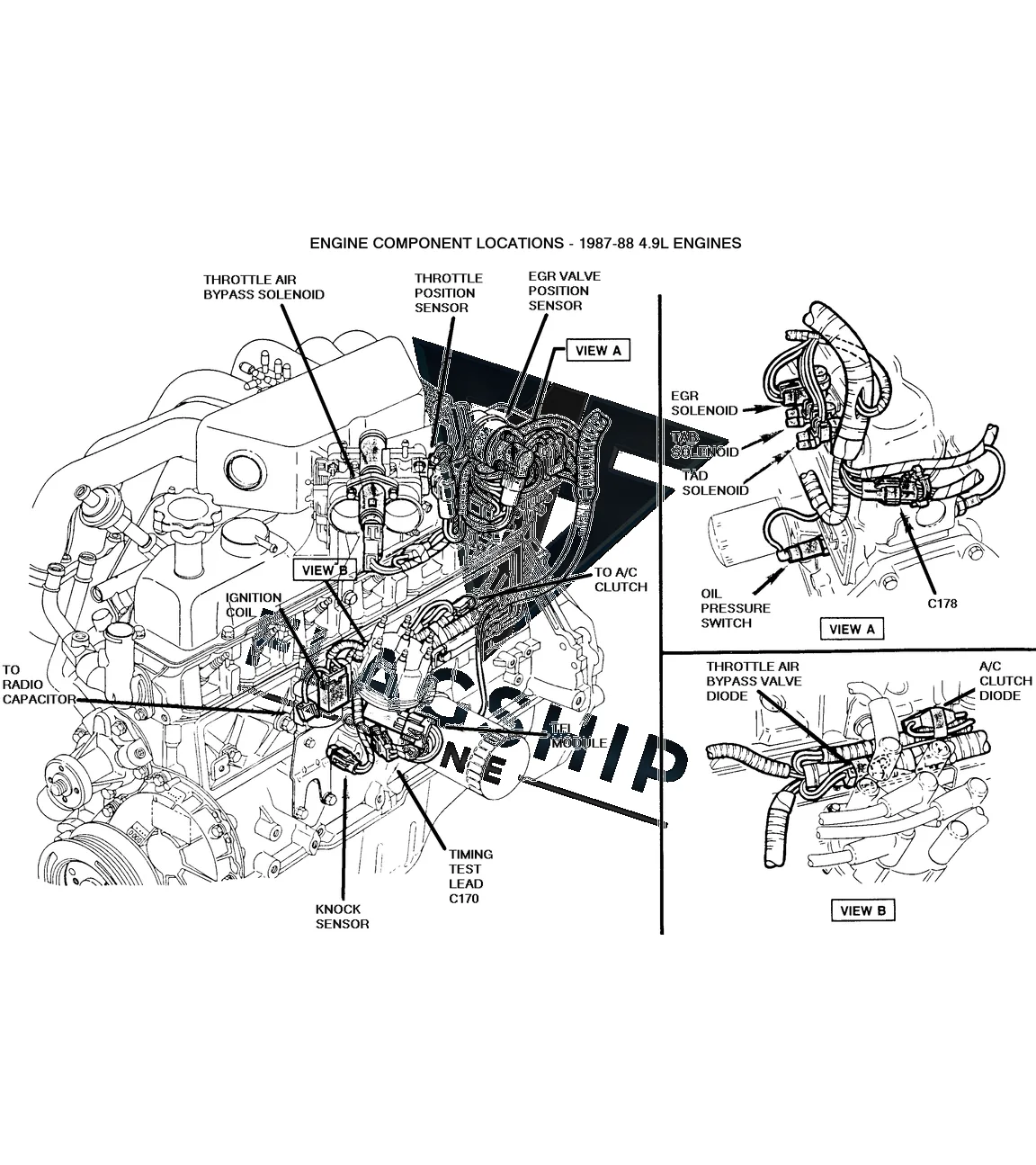
In the 1989 Ford Bronco, the Powertrain Control Module is mounted inside the passenger compartment, typically behind the dashboard or near the glove box. Accessing it requires removing interior trim panels, which adds minimal complexity to the job. According to factory labor times, removing and reinstalling the PCM takes 0.9 hours. This includes disconnecting the wiring harness, unbolting the module, and securing the new unit in place. While the physical replacement is straightforward, the location means you’ll need to work carefully to avoid damaging interior components. Once the new module is installed, the wiring harness is reconnected, and the system is ready for the next step—programming or relearning, depending on whether you’re using a factory or pre-programmed unit.
| Operation | Configuration | Book Time |
|---|---|---|
| Powertrain Control Module R&R | Bronco | 0.9 hr |
| Powertrain Control Module R&R | Bronco II | 0.9 hr |
| Powertrain Control Module Relearn | Bronco | 0.5 hr |
| Powertrain Control Module Relearn | Bronco II | 0.5 hr |
| Engine Control Module Relearn | All configurations | 0.5 hr |
| Engine Control Module R&R | Bronco | 0.9 hr |
| Engine Control Module R&R | Bronco II | 0.9 hr |
After replacing the Powertrain Control Module in your 1989 Ford Bronco, the factory procedure requires a 0.5-hour relearn process to synchronize the new unit with the vehicle’s sensors and systems. This step ensures the PCM recognizes the engine’s operating parameters and can adjust fuel and ignition timing accordingly. Without this relearn, the Bronco may run poorly or fail to start, as the module won’t have the necessary calibration data. However, if you opt for a VIN-programmed replacement unit, this step is already completed before installation. The module arrives pre-configured to match your Bronco’s specific engine and emissions setup, eliminating the need for additional programming. This not only saves time but also reduces the risk of errors during the relearn process, ensuring a smoother transition to the new PCM.
When the Powertrain Control Module in your 1989 Ford Bronco begins to fail, the symptoms can range from subtle to severe. A common early sign is erratic engine behavior, such as hesitation during acceleration or rough idling, as the PCM struggles to regulate fuel and ignition timing. You may also notice the Bronco stalling unexpectedly, particularly at low speeds or when coming to a stop, which can be dangerous in traffic. In some cases, the engine may crank but fail to start at all, leaving you stranded. Another telltale symptom is poor fuel economy, as the PCM’s inability to optimize air-fuel ratios leads to wasted gasoline. If the module’s internal circuits degrade further, you might experience a complete loss of communication with scan tools, making diagnosis more challenging. While these issues can mimic other problems, such as a failing fuel pump or ignition system, persistent symptoms often point to the PCM as the root cause. If the module sets an internal fault, it may trigger a condition where the engine runs in a limited backup mode, though this is not a long-term solution.
The PCM controls fuel injection and ignition timing, so when it malfunctions, it may cut fuel or spark at the wrong time. This can cause the engine to stall, especially at idle or low speeds. The Bronco’s backup FMEM programs may keep it running temporarily, but they’re not a permanent fix.
While the Bronco’s FMEM system may allow limited operation, driving with a failing PCM is risky. The engine may run poorly, stall unexpectedly, or fail to start altogether. Prolonged use can also lead to secondary issues, like fuel system problems or sensor damage.
A failing PCM often causes multiple symptoms at once, such as stalling, no-start conditions, and poor fuel economy. If only one sensor is malfunctioning, the symptoms may be more isolated. A scan tool can help identify stored codes, though the Bronco’s pre-OBD-II system may not provide as much detail as modern vehicles.
In the 1989 Ford Bronco, the terms PCM (Powertrain Control Module) and ECM (Engine Control Module) are often used interchangeably. Both refer to the same unit responsible for managing engine functions. The PCM is the more modern term, but the Bronco’s module performs the same tasks regardless of the name.
Yes, a factory replacement PCM requires a 0.5-hour relearn procedure to synchronize with your Bronco’s systems. However, a pre-programmed unit from Flagship One arrives ready to install, eliminating this step and saving you time and potential hassle.
If your 1989 Ford Bronco is experiencing PCM-related issues, you have two main options: repair the existing module or replace it with a new or refurbished unit. Given the labor involved in diagnosing and repairing the original PCM, many owners opt for a replacement to ensure reliability. A pre-programmed module eliminates the need for post-installation relearning, making the process faster and more straightforward. Whether you choose a factory unit or a pre-configured alternative, addressing the problem promptly can restore your Bronco’s performance and prevent further complications.
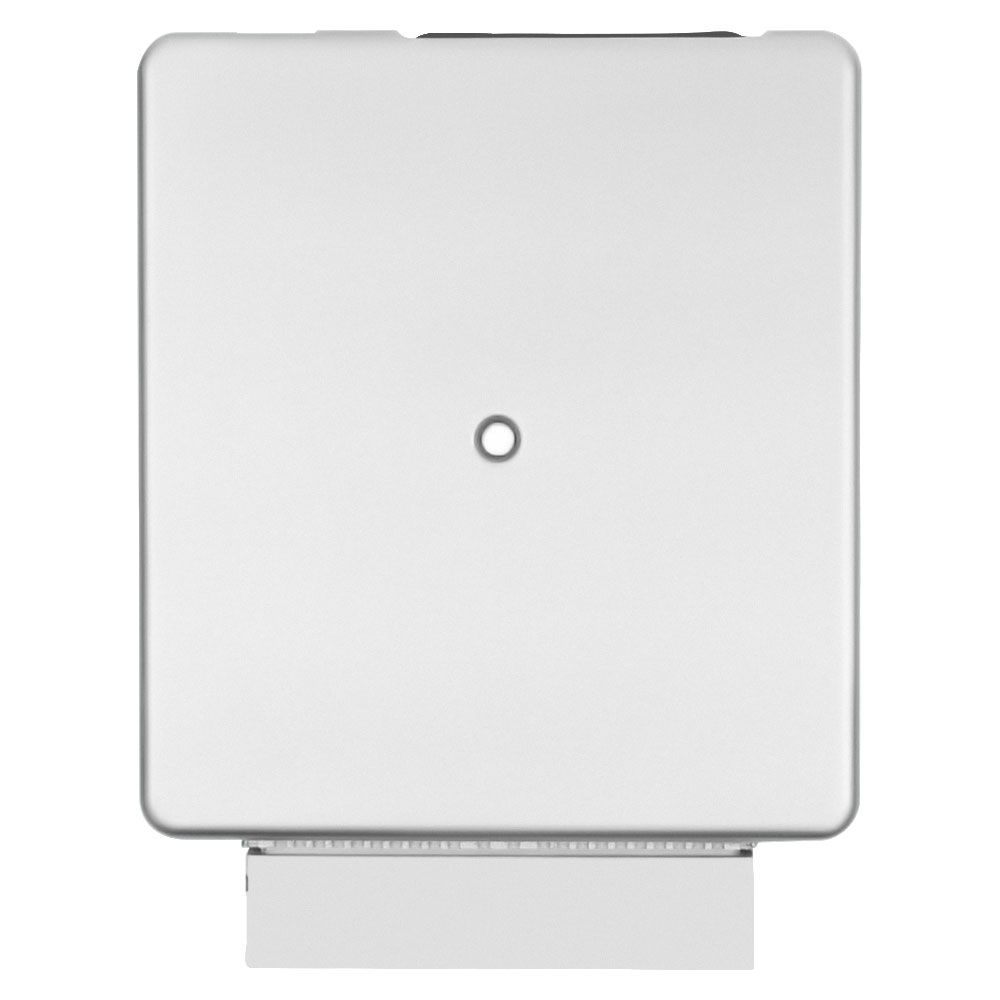
Flagship One stocks a refurbished, VIN-programmed PCM for the 1989 Ford Bronco with a lifetime warranty, free shipping and no core charge. The full Ford Bronco module lineup covers other engine configurations as well.
The Powertrain Control Module in your 1989 Ford Bronco plays a critical role in keeping the 4.9L engine running smoothly. When it fails, symptoms like stalling, no-start conditions, or poor fuel economy can disrupt your driving experience. Replacing the PCM is a manageable task, especially with a pre-programmed unit that eliminates the need for additional relearning. By addressing the issue early and following proper installation procedures, you can ensure your Bronco remains reliable for years to come.