
Last updated on August 25th, 2026 at 01:41 pm
The powertrain control module (PCM) in your 1988 Ford F-Series acts as the brain for the 5.0L engine and transmission. Failures may cause erratic idling, stalling, or complete no-start conditions, often due to internal corrosion or voltage spikes from aging electrical systems.
If your 1988 Ford F-150, F-250, or F-350 with a 5.0L engine is experiencing unexplained stalling, rough idling, or a no-start condition, the powertrain control module (PCM) may be the culprit. This critical component manages everything from fuel delivery to ignition timing, and when it fails, your vehicle’s performance suffers. Replacing the PCM in these trucks is straightforward, but the process doesn’t end with installation. A factory-mandated relearn procedure is required to ensure the new module communicates properly with the engine and transmission. Understanding the steps involved—from locating the module to completing the relearn—can save you time and frustration. This guide covers what the PCM does, where it’s located, how replacement works, and why opting for a pre-programmed unit can simplify the process. Whether you’re a DIY enthusiast or relying on a shop, knowing these details helps you make informed decisions about your vehicle’s repair.
1988 Ford F-Series
OEM programmed replacements — plug & play, no dealer visit.
Find yours by year, make & model →
Free shipping · Lifetime warranty
The powertrain control module (PCM) in your 1988 Ford F-Series is the central computer responsible for managing the engine and transmission. It monitors inputs from sensors throughout the vehicle, such as the throttle position, coolant temperature, and oxygen sensors, to optimize fuel injection, ignition timing, and shift points. Without a functioning PCM, your 5.0L engine may run poorly or fail to start entirely. This module is particularly critical in older vehicles like yours, where wear and tear on electrical connections or exposure to moisture can lead to internal failures. When the PCM malfunctions, you may notice symptoms like erratic idling, hesitation under acceleration, or even transmission shifting issues. Replacing it with replacement engine computers for the F-Series ensures your truck’s systems remain in sync, but the process requires careful attention to detail, including a post-installation relearn procedure to calibrate the new module to your specific vehicle.
In your 1988 Ford F-Series, the powertrain control module is located inside the passenger compartment, typically mounted behind the glove box or under the dashboard. Accessing it involves removing a few interior panels, which may require basic hand tools like a screwdriver or trim removal tool. Once exposed, the module is secured with a connector and possibly a mounting bracket. Disconnecting the battery before removal is recommended to prevent electrical shorts or damage to the module. The labor time for removal and replacement is consistent across the F-150, F-250, and F-350 models, with book times listing 0.9 hours for the job. After installation, the module must be reconnected, and the battery should be reattached to power up the system. However, the process doesn’t end there—your vehicle will require a relearn procedure to ensure the new PCM communicates correctly with the engine and transmission.
| Operation | Configuration | Book Time |
|---|---|---|
| Powertrain Control Module R&R | F-150 | 0.9 hr |
| Powertrain Control Module R&R | F-250 | 0.9 hr |
| Powertrain Control Module R&R | F-350 | 0.9 hr |
| Powertrain Control Module Relearn | F-150 | 0.5 hr |
| Powertrain Control Module Relearn | F-250 | 0.5 hr |
| Powertrain Control Module Relearn | F-350 | 0.5 hr |
| Engine Control Module Relearn | F-150 | 0.5 hr |
| Engine Control Module Relearn | F-250 | 0.5 hr |
After installing a new powertrain control module in your 1988 Ford F-Series, the factory procedure requires a relearn process to synchronize the module with your vehicle’s engine and transmission. This step typically takes 0.5 hours of labor and involves using a scan tool or following a specific drive cycle to reset adaptive values. The relearn ensures that fuel injection, ignition timing, and shift points are calibrated to your truck’s specific configuration. However, if you opt for a VIN-programmed replacement unit, this step is already completed before the module arrives. The pre-programmed unit is matched to your vehicle’s VIN, eliminating the need for additional relearn procedures and saving you time and potential diagnostic headaches. This is particularly useful for older vehicles like yours, where factory tools or procedures may be harder to access.
When the powertrain control module in your 1988 Ford F-Series begins to fail, you may notice a range of symptoms that can make driving frustrating or even impossible. One of the most common signs is a no-start condition, where the engine cranks but refuses to fire up. This often occurs because the PCM is unable to send the correct signals to the fuel injectors or ignition system. Stalling or rough idling is another frequent issue, particularly when the module struggles to maintain consistent engine speeds or adjust fuel delivery. You might also experience hesitation or surging under acceleration, as the PCM fails to properly manage throttle response. In some cases, the transmission may shift erratically or fail to engage gears smoothly, as the module controls both engine and transmission functions. Another telltale sign is a complete lack of communication with diagnostic tools, leaving you unable to retrieve any data from the vehicle’s systems. If you’re seeing an internal control module memory checksum error, it’s a strong indicator that the PCM is malfunctioning and may need replacement. These symptoms can be intermittent at first but often worsen over time, so addressing them promptly can prevent more serious issues down the road.
Stalling after a PCM replacement is often due to the module not being properly relearned to your vehicle. The factory procedure requires a 0.5-hour relearn process to synchronize the new module with the engine and transmission. If this step is skipped, the PCM may not manage fuel delivery or ignition timing correctly, leading to stalling or rough idling.
Yes, replacing the PCM in your F-250 is a manageable task if you’re comfortable with basic tools and electrical work. The module is located behind the glove box or under the dashboard, and the labor time is typically 0.9 hours. However, you’ll need to complete a relearn procedure afterward, which may require a scan tool or specific drive cycle.
You’ll need basic hand tools like a screwdriver, trim removal tool, and possibly a wrench to access and remove the PCM. Disconnecting the battery before starting is recommended to prevent electrical issues. A scan tool may also be necessary for the post-installation relearn procedure.
Common signs of a failing PCM include stalling, rough idling, hesitation under acceleration, or a no-start condition. You may also notice transmission shifting issues or a lack of communication with diagnostic tools. If you’re experiencing these symptoms, the PCM should be tested or replaced.
Yes, the factory procedure for your F-150 requires a 0.5-hour relearn process after PCM replacement. This step ensures the new module is calibrated to your vehicle’s engine and transmission. However, if you install a pre-programmed replacement unit, this step is typically unnecessary.
If your 1988 Ford F-Series is showing signs of PCM failure, you have options for replacement. A new or refurbished module can restore your vehicle’s performance, but the choice depends on your needs. While a dealership may offer a factory replacement, it often comes with higher costs and the added step of a relearn procedure. Alternatively, a pre-programmed unit can save you time and labor, as it arrives ready to install without additional calibration. Consider your budget, timeline, and whether you’re comfortable with the relearn process when deciding on the best approach for your truck.
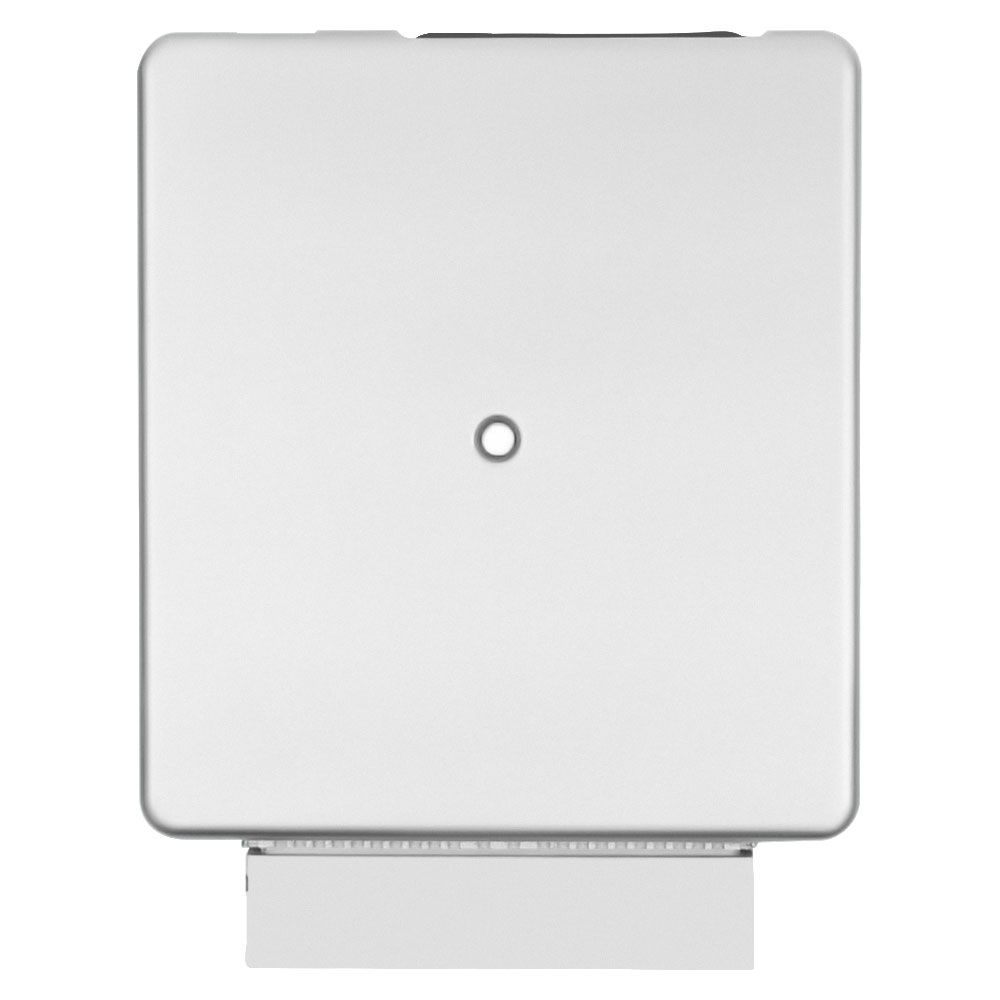
Flagship One stocks a refurbished, VIN-programmed PCM for the 1988 Ford Truck (F-Series) with a lifetime warranty, free shipping and no core charge. The full Ford Truck (F-Series) module lineup covers other engine configurations as well.
Replacing the powertrain control module in your 1988 Ford F-150, F-250, or F-350 can resolve a range of performance issues, from stalling to no-start conditions. While the process involves 0.9 hours of labor for installation and an additional 0.5 hours for the relearn procedure, opting for a pre-programmed unit can simplify the job. By understanding the role of the PCM, recognizing symptoms of failure, and following proper installation steps, you can keep your truck running smoothly for years to come.