
Last updated on August 25th, 2026 at 01:40 pm
The Powertrain Control Module on your 1991 Ford F-Series manages fuel injection, ignition timing, and transmission shifting. Failure often stems from heat damage, voltage spikes from jump starts, or corrupted memory — leading to drivability problems or a dead vehicle.
If your 1991 Ford F-150, F-250, or F-350 with the 4.9L six-cylinder engine won’t start, runs poorly, or has thrown you stranded, the Powertrain Control Module may be the culprit. These trucks from the early nineties predate the OBD-II standardization that came in 1996, meaning their PCM handles a different set of responsibilities than you might expect from later models. Understanding what the module does, where it lives, and what replacement involves helps you make informed decisions rather than gambling on guesswork. This guide covers the function of the PCM in these specific trucks, the symptoms that often indicate failure, the labor involved in replacement, and why programming matters. Whether you’re a DIY mechanic weighing options or a shop customer wanting to understand the estimate, the goal is clear information so you know what to expect from start to finish.
The Powertrain Control Module in your 1991 Ford F-Series truck serves as the brain of the engine and transmission operation. Unlike the separate Engine Control Module and Transmission Control Module found in some later vehicles, this generation combines these functions into a single unit mounted in the engine compartment. The module receives signals from various sensors throughout the engine — inputs for coolant temperature, throttle position, oxygen levels in the exhaust, and vehicle speed — then uses those readings to calculate fuel injector pulse width, ignition advance timing, and torque converter clutch engagement. For the 4.9L inline-six engine specifically, the PCM also manages the feedback carburetor’s feedback circuit, controlling air-fuel mixture accuracy based on oxygen sensor feedback. When the module fails or its internal memory becomes corrupted, the engine may run extremely rich or lean, ignition timing may be wildly off, and the transmission may refuse to shift properly or exhibit harsh engagements. Because the module also stores the Vehicle Identification Number for anti-theft purposes on later applications, a replacement must either match the original or be programmed to accept your specific VIN. These replacement engine computers for the 1991 F-Series are available as new or refurbished units, with the programming step being the critical factor that determines whether the truck runs correctly after installation.
Flagship One keeps Ford Truck (F-Series) replacement engine computers in stock for exactly this failure pattern.
1991 Ford F-150
OEM programmed replacements — plug & play, no dealer visit.
Find yours by year, make & model →
Free shipping · Lifetime warranty
The Powertrain Control Module on these trucks mounts on the driver’s side of the engine compartment, typically near the firewall and brake master cylinder. Access requires removing the module from its mounting bracket, disconnecting the electrical harness, and transferring any mounting hardware to the replacement unit. The labor book time for PCM R&R on any 1991 F-150, F-250, or F-350 is listed at 0.9 hours, which reflects straightforward access once surrounding components that obstruct the module are removed. You or your technician will need to route the wiring harness carefully, ensure the connector seats fully, and secure the new module using the original mounting points. After physical installation, the module must be initialized through a relearn procedure — the book time for this operation is 0.5 hours separately. The total combined time reflects both the mechanical replacement and the post-install setup, though many shops bundle these operations into a single labor operation on the invoice. Make sure any replacement unit is specifically designed for the 4.9L engine and the transmission type in your truck, as a mismatched module may cause running issues even if it physically fits.
| Operation | Configuration | Book Time |
|---|---|---|
| Powertrain Control Module R&R | F-150 | 0.9 hr |
| Powertrain Control Module R&R | F-250 | 0.9 hr |
| Powertrain Control Module R&R | F-350 | 0.9 hr |
| Powertrain Control Module Relearn | F-150 | 0.5 hr |
| Powertrain Control Module Relearn | F-250 | 0.5 hr |
| Powertrain Control Module Relearn | F-350 | 0.5 hr |
| Engine Control Module Relearn | F-150 | 0.5 hr |
| Engine Control Module Relearn | F-250 | 0.5 hr |
After physically installing a replacement PCM in your 1991 Ford truck, the factory procedure requires a relearn process that allows the new module to adapt its calibration to your specific vehicle’s engine characteristics, sensor readings, and transmission behavior. This 0.5-hour relearn step is necessary because each engine稍有差异, and the module must learn idle airflow, fuel trims, and shift adaptions for your particular drivetrain. Without completing this procedure, the truck may run roughly, stall at idle, or exhibit transmission shifting problems. The good news is that Flagship One addresses this requirement before shipping — their units arrive VIN-programmed to your specific truck, meaning the relearn procedure that the dealer would normally perform has already been completed on the bench. This saves you the trip to the dealer or the expense of a scan tool capable of performing the procedure. When you install a VIN-programmed replacement unit from Flagship One, you simply connect it, button up the harness, and start the engine — the module already recognizes your Vehicle Identification Number and has completed its initial adaptation cycles.
Every VIN-programmed replacement unit from Flagship One arrives with these steps already completed.
A failing PCM on a 1991 Ford F-Series may present several telltale signs that point away from more obvious causes like bad spark plugs or a fouled fuel injector. The most dramatic symptom is a no-start condition — you turn the key and nothing happens, or the engine cranks slowly as if the battery were dead even though the battery and starter test fine. Another common failure mode involves intermittent stalling, where the engine runs for a few minutes then dies without warning, then restarts after cooling down — this often points to internal component fatigue within the module due to heat exposure over years of operation. Misfire codes may appear even though the spark plugs and wires are in good condition, because the module is failing to fire the injectors or spark at the correct time. Some trucks experience a dead scan-tool communication — plugging in a code reader yields no response or an error message, which indicates the PCM is not transmitting data. Transmission problems also surface, such as harsh shifting, failure to shift into overdrive, or the torque converter failing to lock up properly, because the PCM controls shift solenoids and torque converter clutch engagement. If your truck exhibits any combination of these symptoms and standard repairs haven’t resolved the issue, the PCM warrants investigation as the root cause.
A used PCM from another vehicle may work if it matches the exact engine size, transmission type, and calibration, but it likely won’t be programmed to your VIN. Additionally, you won’t know the history of that unit or whether it’s about to fail. A remanufactured unit from a reputable supplier with a warranty is generally the safer choice.
If you have basic mechanical skills and can follow wiring diagrams, the physical replacement is manageable since access is straightforward. The challenge is ensuring you get a properly programmed replacement — either from a source that programs it to your VIN beforehand, or by having the dealer perform the relearn procedure after installation.
Start by checking for diagnostic codes using a Ford-specific scan tool. If the tool cannot communicate with the module, or if codes indicate internal PCM failures that persist after checking sensors and wiring, the PCM is likely at fault. A professional diagnosis is recommended if you’re unsure.
Ford used the term PCM (Powertrain Control Module) for this generation, which combines engine and transmission control functions. Later OBD-II vehicles sometimes used ECM (Engine Control Module) for the engine-specific portion, but for your 1991 truck, PCM is the correct terminology.
Quality varies by supplier. A reputable remanufacturer tests and repairs the original unit to OEM specifications, which often results in better compatibility than a generic new part. However, a poorly refurbished unit can fail quickly. Look for a warranty of at least one year regardless of whether you choose new or remanufactured.
When your 1991 Ford F-Series needs a replacement PCM, you have two primary paths: purchasing a new aftermarket unit or selecting a remanufactured module. New units may arrive blank and require dealer programming, adding time and expense to the repair. Remanufactured units from Flagship One arrive VIN-programmed to your specific truck, meaning they’re ready to install and run without the additional dealer visit. For the 4.9L engine in these trucks, ensure the replacement explicitly supports the fuel-injection and transmission control logic of your exact configuration. A properly programmed replacement eliminates the 0.5-hour relearn procedure and gets your truck back on the road with minimal hassle.
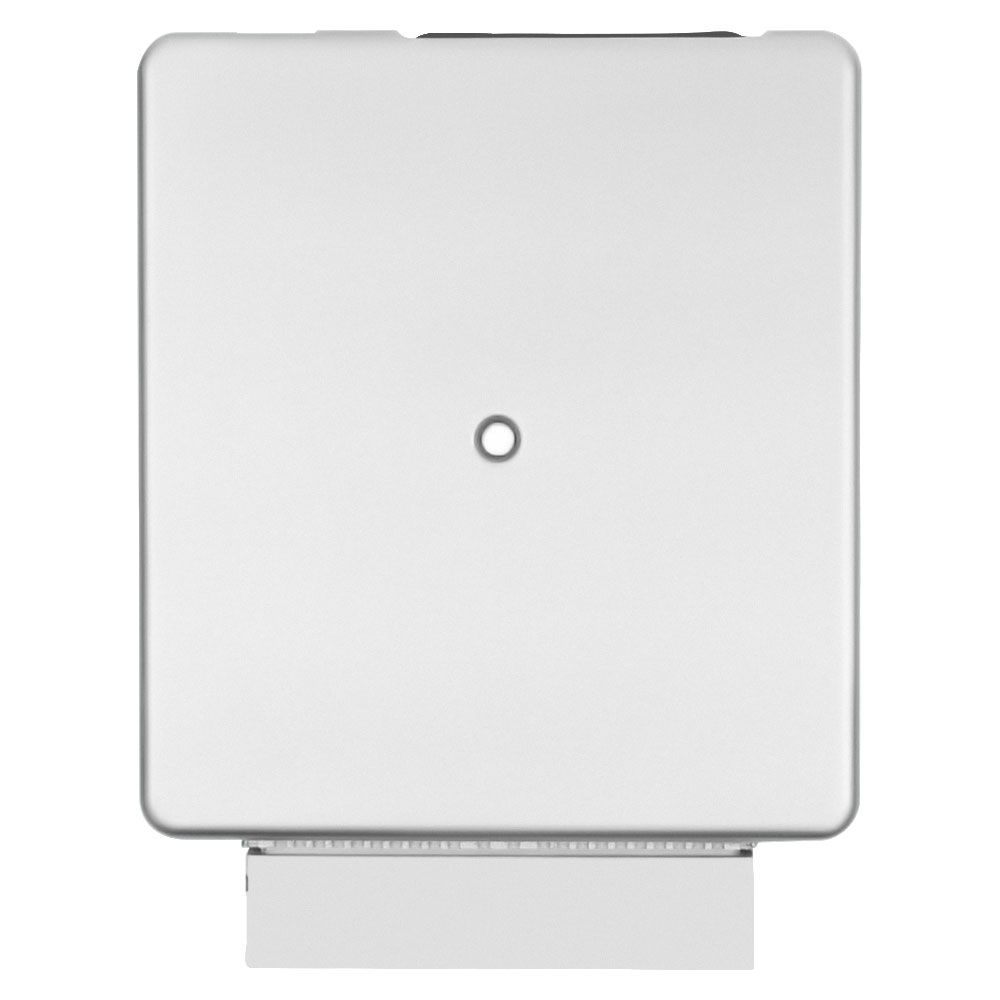
Flagship One stocks a refurbished, VIN-programmed PCM for the 1991 Ford Truck (F-Series) with a lifetime warranty, free shipping and no core charge. The full Ford Truck (F-Series) module lineup covers other engine configurations as well.
The PCM in your 1991 Ford F-150, F-250, or F-350 with the 4.9L engine is a critical component that, when it fails, can leave you stranded or with a truck that runs terribly. Replacement involves roughly 0.9 hours of mechanical work plus a 0.5-hour relearn procedure, though choosing a VIN-programmed unit from Flagship One eliminates that final step. Understanding the symptoms, the programming requirement, and the prevention steps outlined here puts you in control of the repair process — whether you do the work yourself or discuss options confidently with a technician.