
Last updated on August 25th, 2026 at 01:41 pm
The Powertrain Control Module (PCM) in your 1990 Ford F-Series acts as the brain for engine and transmission functions. When it fails, you may experience erratic performance, no-start conditions, or poor fuel efficiency. This module integrates fuel injection, ignition timing, and shift control into a single unit.
If your 1990 Ford F-Series truck has been acting up—stalling unexpectedly, misfiring, or refusing to start—it may be time to consider the Powertrain Control Module (PCM). This critical component oversees everything from fuel delivery to transmission shifts, making it essential for smooth operation. Replacing it isn’t just about swapping a part; it involves understanding its role, locating it in your vehicle, and ensuring proper calibration afterward. Knowing what to expect can save you time and frustration, whether you’re tackling the job yourself or leaving it to a professional. With the right replacement unit, you can restore your truck’s performance without the guesswork of post-install programming.
The Powertrain Control Module in your 1990 Ford F-Series is a combined engine and transmission controller, a design Ford adopted to streamline vehicle electronics. It processes inputs from sensors like the throttle position, coolant temperature, and oxygen sensors to adjust fuel injection, ignition timing, and shift points in real time. This integration means a single failure can disrupt multiple systems, leading to symptoms like rough idling, poor acceleration, or even a complete no-start condition. Because the PCM also influences transmission behavior, you might notice erratic shifting or delayed engagement if the module is malfunctioning. Replacing it with replacement engine computers for the F-Series ensures compatibility and restores the precise control your truck was designed to have. Without a properly functioning PCM, your vehicle may run inefficiently or fail to meet basic drivability standards.
1990 Ford F-Series
OEM programmed replacements — plug & play, no dealer visit.
Find yours by year, make & model →
Free shipping · Lifetime warranty
The PCM in your 1990 Ford F-Series is mounted inside the passenger-side footwell, behind a kick panel near the firewall. Accessing it requires removing the lower dashboard trim and the kick panel itself, which is typically secured with a few screws or clips. Once exposed, the module is held in place by a single bracket or mounting bolt. Disconnecting the wiring harness is straightforward, but you’ll need to release the locking tab before pulling the connector free. Labor estimates for removal and replacement are consistent across F-150, F-250, and F-350 models, with book times set at 0.9 hours. After installing the new unit, you’ll need to reconnect the harness and secure the module before reassembling the interior trim. The process doesn’t require specialized tools, but care should be taken to avoid damaging the wiring or connector pins during handling.
| Operation | Configuration | Book Time |
|---|---|---|
| Powertrain Control Module R&R | F-150 | 0.9 hr |
| Powertrain Control Module R&R | F-250 | 0.9 hr |
| Powertrain Control Module R&R | F-350 | 0.9 hr |
| Powertrain Control Module Relearn | F-150 | 0.5 hr |
| Powertrain Control Module Relearn | F-250 | 0.5 hr |
| Powertrain Control Module Relearn | F-350 | 0.5 hr |
| Engine Control Module Relearn | F-150 | 0.5 hr |
| Engine Control Module Relearn | F-250 | 0.5 hr |
After replacing the PCM in your 1990 Ford F-Series, the factory procedure requires a relearn process to synchronize the module with the vehicle’s systems. This typically involves a 0.5-hour procedure to recalibrate the engine and transmission parameters, ensuring smooth operation. However, if you install a VIN-programmed replacement unit, these steps are already completed, saving you time and potential headaches. The pre-programmed module arrives configured to your truck’s specifications, so you can focus on reinstallation without worrying about additional setup. This eliminates the need for a dealer visit or specialized scan tool to perform the relearn, making the repair more straightforward and predictable.
A failing PCM in your 1990 Ford F-Series may cause a range of symptoms that can be frustrating and unpredictable. One of the most common signs is a no-start condition, where the engine cranks but refuses to fire, often due to incorrect fuel or spark signals. You might also experience intermittent stalling, especially at idle or during deceleration, as the module struggles to maintain stable engine operation. Misfires are another frequent issue, often felt as a rough idle or hesitation under acceleration, which can lead to poor fuel economy and increased emissions. In some cases, the transmission may shift erratically or fail to engage properly, as the PCM controls both engine and transmission functions. Another telltale sign is a complete loss of communication with a scan tool, leaving you without diagnostic feedback. If the module’s internal memory is corrupted, you may encounter an internal control module memory check failure, which can trigger the check engine light and further complicate troubleshooting. These symptoms often worsen over time, so addressing them promptly can prevent more serious issues down the road.
Stalling at idle after a PCM replacement often indicates a relearn procedure wasn’t completed. The module needs to recalibrate to your truck’s specific parameters, including idle speed and fuel trim. If the unit wasn’t pre-programmed, you may need to perform the factory relearn process or verify the installation steps.
Driving with a faulty PCM is risky, as it can lead to unpredictable behavior like stalling, misfires, or transmission issues. In some cases, the vehicle may not start at all. If you suspect a problem, it’s best to address it promptly to avoid further damage or unsafe driving conditions.
A failing PCM often causes multiple symptoms simultaneously, such as stalling, misfires, and transmission problems. If only one system is affected, like the engine misfiring without transmission issues, a sensor or wiring problem is more likely. A scan tool can help identify whether the PCM is communicating properly or if a specific sensor is at fault.
Yes, the PCM in your 1990 Ford F-Series manages both engine and transmission functions. It determines shift points, torque converter lockup, and other transmission behaviors based on inputs from the engine and vehicle speed sensors. A faulty PCM can cause erratic shifting or failure to engage gears properly.
In your 1990 Ford F-Series, the terms PCM and ECM are often used interchangeably because the module combines engine and transmission control into a single unit. Unlike newer vehicles that may separate these functions, your truck’s PCM handles both systems, making it a critical component for overall drivability.
Replacing the PCM in your 1990 Ford F-Series doesn’t have to be a complicated process. While a repair might seem like a cost-effective option, it often involves diagnosing and fixing internal issues that can be unpredictable. A refurbished replacement unit, pre-programmed to your VIN, ensures compatibility and eliminates the need for additional programming steps. This approach saves time and provides peace of mind, knowing your truck’s systems will operate as intended.
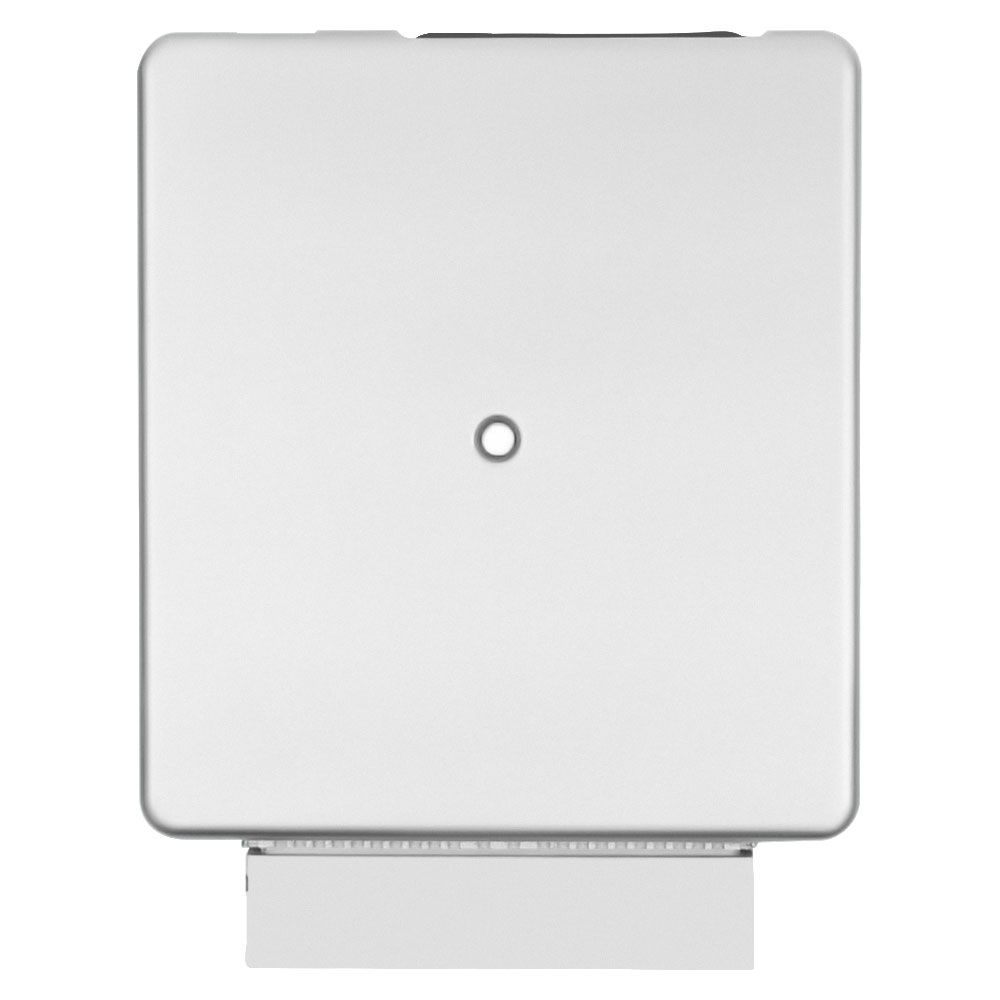
Flagship One stocks a refurbished, VIN-programmed PCM for the 1990 Ford Truck (F-Series) with a lifetime warranty, free shipping and no core charge. The full Ford Truck (F-Series) module lineup covers other engine configurations as well.
Your 1990 Ford F-Series relies on its PCM to manage critical engine and transmission functions, making it a key component for reliable performance. Whether you’re dealing with stalling, misfires, or a no-start condition, understanding the role of this module and the replacement process can help you make informed decisions. With the right unit and proper installation, you can restore your truck’s drivability and keep it running smoothly for years to come.