
Last updated on August 25th, 2026 at 01:41 pm
The Powertrain Control Module (PCM) in your 1987 Ford Bronco acts as the brain for the 5.0L engine, managing fuel delivery, ignition timing, and emissions systems. Failures often stem from voltage spikes, corrosion, or internal component wear, leading to poor performance or a non-start condition.
If your 1987 Ford Bronco 5.0L has been acting up—stalling at stoplights, refusing to start, or running rough—it might not just be a bad sensor or a fouled spark plug. The Powertrain Control Module (PCM), the computer that manages your engine’s fuel, ignition, and emissions systems, can fail over time. Unlike modern vehicles with advanced diagnostics, your Bronco’s pre-OBD-II system relies on simpler feedback loops, meaning a failing PCM may not always trigger a clear warning. Instead, you might notice intermittent issues that seem to come and go without explanation. Replacing the PCM isn’t just about swapping a box under the dash; it involves proper installation and a factory relearn procedure to ensure the engine runs smoothly. Understanding what the PCM does, where it’s located, and what to expect during replacement can save you time and frustration. This guide covers the essentials, from recognizing failure symptoms to choosing the right replacement and avoiding common pitfalls during the process.
1987 Ford Bronco 5.0L: When the
OEM programmed replacements — plug & play, no dealer visit.
Find yours by year, make & model →
Free shipping · Lifetime warranty
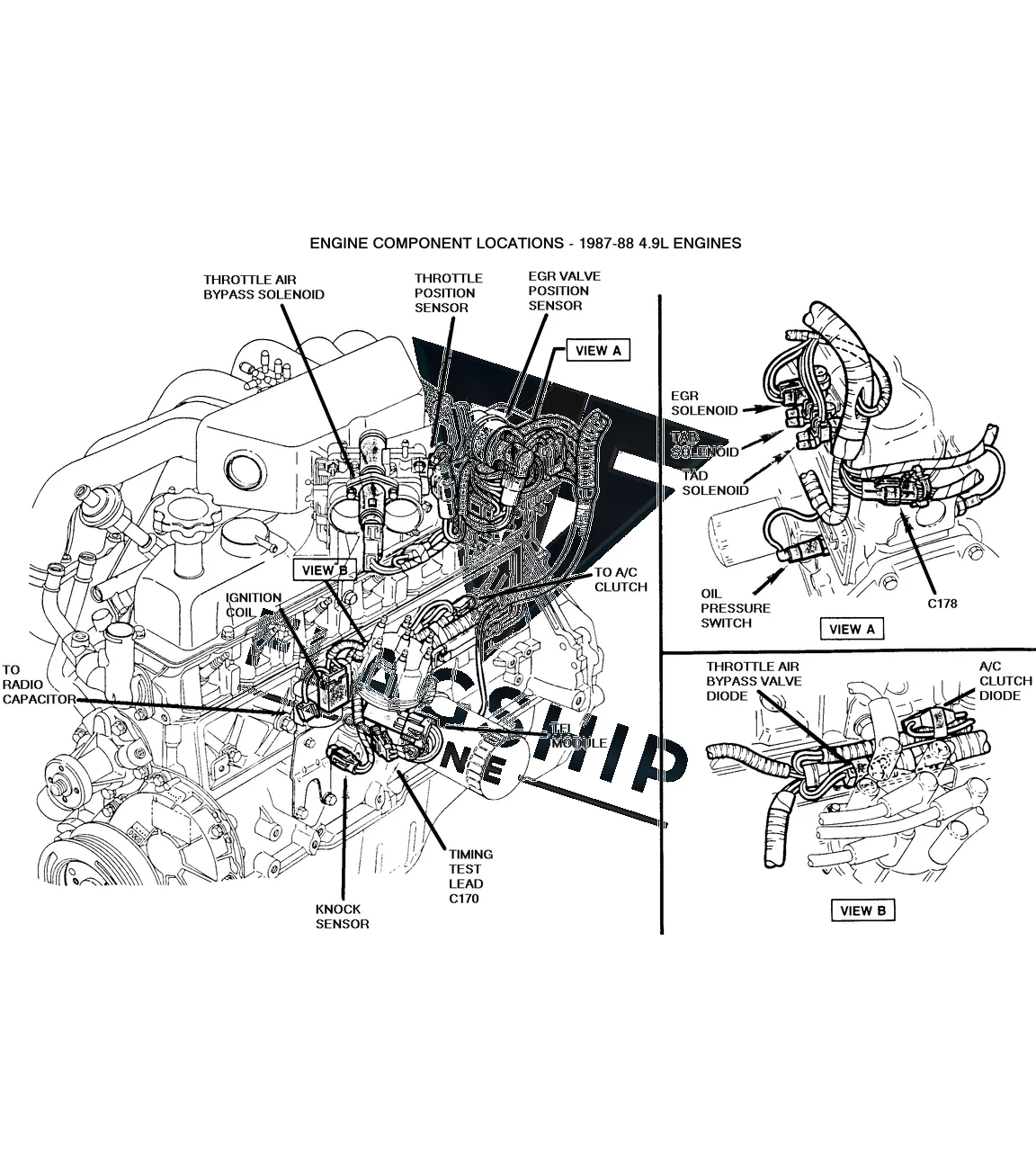
The Powertrain Control Module (PCM) in your 1987 Ford Bronco is the central computer responsible for managing the 5.0L engine’s performance. It processes inputs from sensors monitoring engine speed, air intake, coolant temperature, and oxygen levels to adjust fuel delivery, ignition timing, and emissions controls. Without a functioning PCM, your Bronco may struggle to start, run inefficiently, or even stall unexpectedly. The system includes a Failure Mode Effects Management (FMEM) feature, which allows the engine to operate in a limited capacity if a sensor fails, but this is only a temporary workaround. If the PCM itself malfunctions, the vehicle may exhibit a range of drivability issues that won’t resolve until the module is replaced. Because this is a pre-OBD-II vehicle, diagnostics rely on simpler feedback mechanisms, so symptoms may not always point directly to the PCM. When replacement becomes necessary, you’ll need replacement engine computers for the Bronco that are compatible with your vehicle’s specifications. The PCM’s role is critical, as it ensures the engine runs efficiently while meeting emissions standards of the era.
In the 1987 Ford Bronco, the Powertrain Control Module (PCM) is located inside the passenger compartment, typically mounted behind the dashboard or near the glove box. Accessing it requires removing interior trim panels, which adds minimal complexity to the job. According to factory labor estimates, replacing the PCM in a Bronco takes about 0.9 hours, assuming no complications like corroded connectors or seized fasteners. Once the old module is removed, the new unit is installed in its place, and the electrical connectors are reattached. There are no special torque specifications provided for this procedure, but ensuring a secure connection is critical to avoid intermittent electrical issues. After installation, the vehicle will require a relearn procedure to synchronize the PCM with the engine’s sensors and systems.
| Operation | Configuration | Book Time |
|---|---|---|
| Powertrain Control Module R&R | Bronco | 0.9 hr |
| Powertrain Control Module R&R | Bronco II | 0.9 hr |
| Powertrain Control Module Relearn | Bronco | 0.5 hr |
| Powertrain Control Module Relearn | Bronco II | 0.5 hr |
| Engine Control Module Relearn | All configurations | 0.5 hr |
| Engine Control Module R&R | Bronco | 0.9 hr |
| Engine Control Module R&R | Bronco II | 0.9 hr |
After replacing the Powertrain Control Module (PCM) in your 1987 Ford Bronco, the vehicle requires a factory relearn procedure to ensure proper operation. This process, which typically takes about 0.5 hours, allows the PCM to adapt to the engine’s sensors and fuel system. Without this step, the Bronco may run poorly, stall, or fail to start. However, if you opt for a VIN-programmed replacement unit, the relearn procedure is already completed, saving you time and potential frustration. The pre-programmed unit is matched to your vehicle’s specifications, so you can install it and drive without additional steps. This is particularly useful for pre-OBD-II vehicles like the Bronco, where diagnostic tools may not be as advanced as those for newer models. Always verify that the replacement PCM is compatible with your 5.0L engine to avoid compatibility issues.
A failing Powertrain Control Module (PCM) in your 1987 Ford Bronco 5.0L can cause a variety of symptoms that may seem unrelated at first. One of the most common signs is a no-start condition, where the engine cranks but refuses to fire. This often occurs because the PCM is unable to send the correct signals to the fuel injectors or ignition system. Another frequent issue is stalling, particularly at idle or during low-speed driving, as the PCM struggles to maintain stable engine operation. You might also notice poor acceleration, misfires, or a rough idle, which can mimic problems with spark plugs, fuel delivery, or vacuum leaks. In some cases, the Bronco may enter a backup mode due to a sensor failure, but if the PCM itself is faulty, these symptoms will persist even after addressing other potential causes. Dead communication with a scan tool is another red flag, as the PCM may fail to respond to diagnostic requests. While the Bronco’s pre-OBD-II system doesn’t use modern trouble codes, internal faults like memory checksum error can indicate a deeper issue with the module’s circuitry. If you experience multiple symptoms simultaneously, the PCM is a likely culprit and should be tested or replaced.
A failing PCM often causes multiple symptoms at once, such as stalling, misfires, and a no-start condition. If replacing sensors doesn’t resolve the issue, the PCM may be the culprit. A scan tool can check for internal PCM faults, though pre-OBD-II diagnostics are less precise than modern systems.
You may be able to drive short distances if the PCM is partially functional, but the vehicle may stall, run poorly, or fail to start. The FMEM system allows limited operation if a sensor fails, but a faulty PCM can leave you stranded. It’s best to address the issue promptly.
Yes, the vehicle requires a relearn procedure after PCM replacement to synchronize the module with the engine’s systems. This typically takes about 0.5 hours. However, a VIN-programmed replacement unit eliminates this step, as it arrives ready to install.
Basic hand tools are usually sufficient, including screwdrivers and a socket set to remove interior trim panels for access. A scan tool may help verify the issue before replacement, but it’s not required for the physical installation.
A used PCM may work if it’s from the same year and engine configuration, but compatibility isn’t guaranteed. Additionally, used modules may have internal faults or require reprogramming. A new or remanufactured unit is often a more reliable choice.
If your 1987 Ford Bronco 5.0L is exhibiting signs of PCM failure, you have a few options for replacement. A dealership or repair shop can install a new module and perform the required relearn procedure, though this may involve additional labor costs. Alternatively, a VIN-programmed replacement unit can simplify the process, as it arrives ready to install without the need for further programming. This is particularly useful for pre-OBD-II vehicles, where diagnostics and programming can be more challenging. Whether you choose a new or remanufactured unit, ensure it’s compatible with your Bronco’s specifications to avoid compatibility issues.
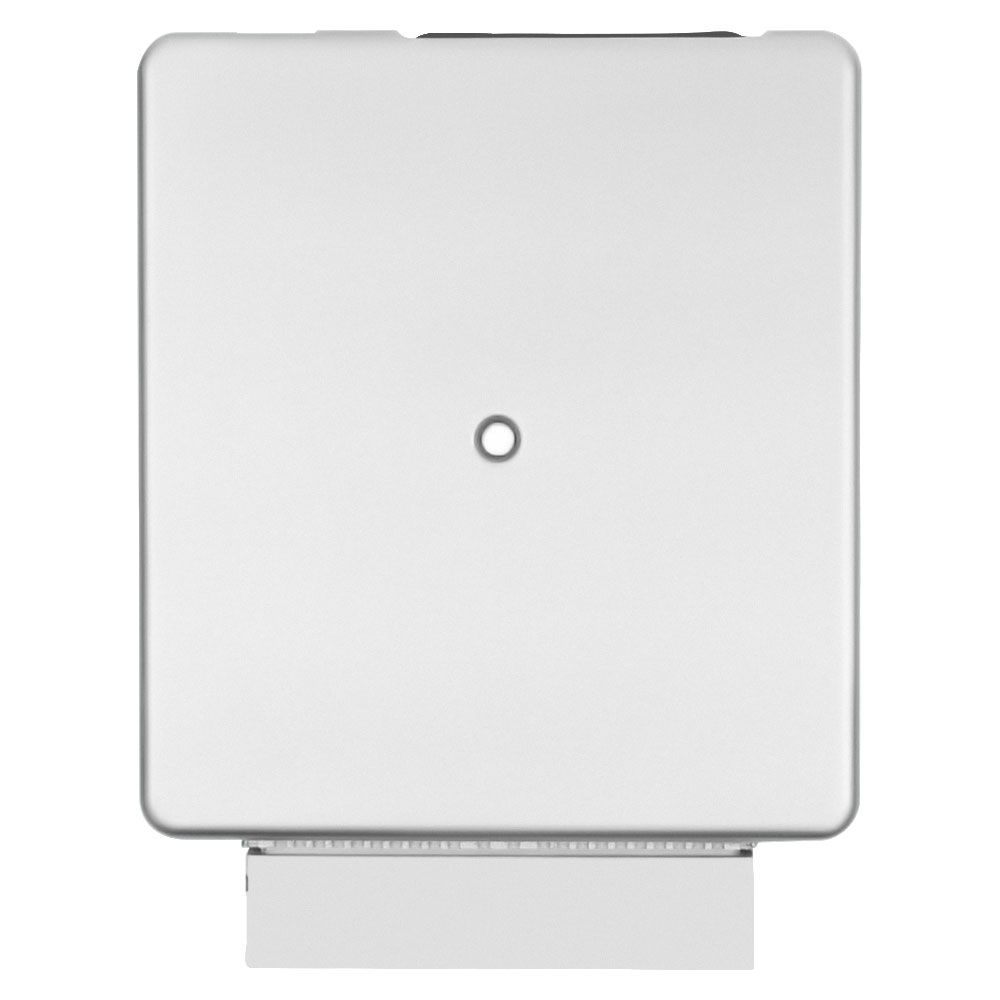
Flagship One stocks a refurbished, VIN-programmed PCM for the 1987 Ford Bronco with a lifetime warranty, free shipping and no core charge. The full Ford Bronco module lineup covers other engine configurations as well.
The Powertrain Control Module in your 1987 Ford Bronco 5.0L plays a critical role in keeping the engine running smoothly. If you’re experiencing stalling, misfires, or a no-start condition, the PCM may be the root cause. Replacing it involves a straightforward process, but proper installation and programming are key to restoring reliable performance. Whether you tackle the job yourself or leave it to a professional, addressing PCM issues promptly can save you time and frustration down the road. Consider a VIN-programmed replacement to streamline the process and get your Bronco back on the road faster.