
Last updated on August 25th, 2026 at 01:44 pm
The powertrain control module (PCM) and engine control module (ECM) in the 2016 Nissan GT-R manage fuel delivery, ignition timing, and turbo boost. Failures may cause erratic engine behavior, reduced power, or a complete no-start condition.
If your 2016 Nissan GT-R has developed unexplained stalling, a rough idle, or a refusal to start, the issue may lie with the powertrain control module (PCM) or engine control module (ECM). These critical components act as the brain of your vehicle’s engine and transmission, regulating everything from fuel injection to turbo boost. When they fail, the symptoms can range from subtle performance hiccups to a complete breakdown. Understanding the role of these modules, how to identify failure signs, and what replacement entails can help you make informed decisions—whether you’re troubleshooting a persistent check-engine light or preparing for a repair. This guide covers the essentials: where the modules are located, what labor to expect, and how a pre-programmed replacement can streamline the process.
2016 Nissan GT-R
OEM programmed ECM for your 2016 Nissan GT-R — plug & play, no dealer visit.
Free shipping · Lifetime warranty
In the 2016 Nissan GT-R, the powertrain control module (PCM) and engine control module (ECM) work in tandem to optimize performance. The ECM focuses on engine functions, such as fuel delivery, ignition timing, and turbocharger management, while the PCM oversees transmission shifting and overall powertrain coordination. Together, they ensure seamless acceleration, efficient fuel consumption, and compliance with emissions standards. A failure in either module can disrupt these processes, leading to poor throttle response, erratic shifting, or even a vehicle that won’t start. Because the GT-R relies on precise data from these modules to balance power and drivability, their health is critical to maintaining the car’s performance edge. When replacement becomes necessary, replacement engine computers for the GT-R are available to restore functionality without the guesswork of used or unprogrammed units.
The PCM and ECM in the 2016 Nissan GT-R are located in the engine bay, typically mounted near the firewall or under a protective cover. Accessing either module requires removing surrounding components, such as the air intake or battery, to reach the connectors and mounting bolts. The factory labor time for removing and reinstalling either the PCM or ECM is 1.9 hours. This includes disconnecting the battery, unplugging wiring harnesses, and carefully extracting the module without damaging adjacent parts. Reinstallation follows the reverse process, with attention to proper torque specifications for mounting hardware. Given the GT-R’s tight engine bay, the job may require patience to avoid pinching wires or misaligning connectors.
| Operation | Configuration | Book Time |
|---|---|---|
| Powertrain Control Module R&R | All configurations | 1.9 hr |
| Powertrain Control Module Relearn | All configurations | 0.5 hr |
| Engine Control Module R&R | All configurations | 1.9 hr |
| Engine Control Module Reset | All configurations | 0.3 hr |
| Engine Control Module Relearn | All configurations | 0.5 hr |
After replacing the PCM or ECM in a 2016 Nissan GT-R, the factory procedure requires a relearn process to synchronize the new module with the vehicle’s systems. For the PCM, this involves a 0.5-hour relearn, while the ECM may need a 0.3-hour reset followed by a 0.5-hour relearn. These steps ensure the module communicates correctly with sensors, the transmission, and other onboard computers. However, a VIN-programmed replacement unit from Flagship One arrives pre-configured to your GT-R’s specifications, eliminating the need for dealer programming. This not only saves time but also reduces the risk of incomplete synchronization, which can lead to persistent drivability issues. Always verify that the replacement unit matches your vehicle’s VIN to avoid compatibility problems.
A failing PCM or ECM in the 2016 Nissan GT-R often announces itself through a range of symptoms. One of the most common is a no-start condition, where the engine cranks but refuses to fire, often due to incorrect fuel or spark timing signals. Stalling or rough idling may also occur, particularly when the module struggles to maintain consistent engine speeds. Misfire codes, such as internal control module memory checksum error, frequently appear, indicating the module’s inability to process data correctly. Other signs include poor throttle response, erratic shifting, or a complete loss of communication with diagnostic scan tools. In some cases, the vehicle may enter a “limp mode,” limiting power to prevent further damage. If you notice these issues, prompt diagnosis is key, as prolonged operation with a faulty module can lead to secondary problems, such as catalytic converter damage or transmission wear.
Common signs include a no-start condition, stalling, rough idling, or misfire codes. If your scan tool can’t communicate with the module, that’s another red flag. A professional diagnosis can confirm whether the issue lies with the module or another component.
While it’s physically possible, the process requires careful handling of wiring harnesses and connectors. The factory also mandates a relearn procedure, which may require dealer tools. A pre-programmed replacement simplifies the job but still demands mechanical skill.
The ECM primarily controls engine functions like fuel injection and ignition timing, while the PCM oversees transmission shifting and overall powertrain coordination. Both modules work together to optimize performance, but they serve distinct roles.
The relearn process ensures the new module synchronizes with the vehicle’s sensors, transmission, and other systems. Without it, the module may not interpret data correctly, leading to drivability issues or error codes.
A used module may work if it’s from the same model year and has been properly reprogrammed. However, compatibility issues or internal faults can arise, making a VIN-programmed replacement a more reliable option.
If your 2016 Nissan GT-R is exhibiting signs of a failing PCM or ECM, you have options. A dealership repair will include factory programming but may come with higher labor costs. Alternatively, a refurbished or new replacement unit, pre-programmed to your VIN, can save time and reduce the risk of incomplete synchronization. Given the GT-R’s performance demands, ensuring the module is correctly matched to your vehicle is critical for restoring drivability and power.
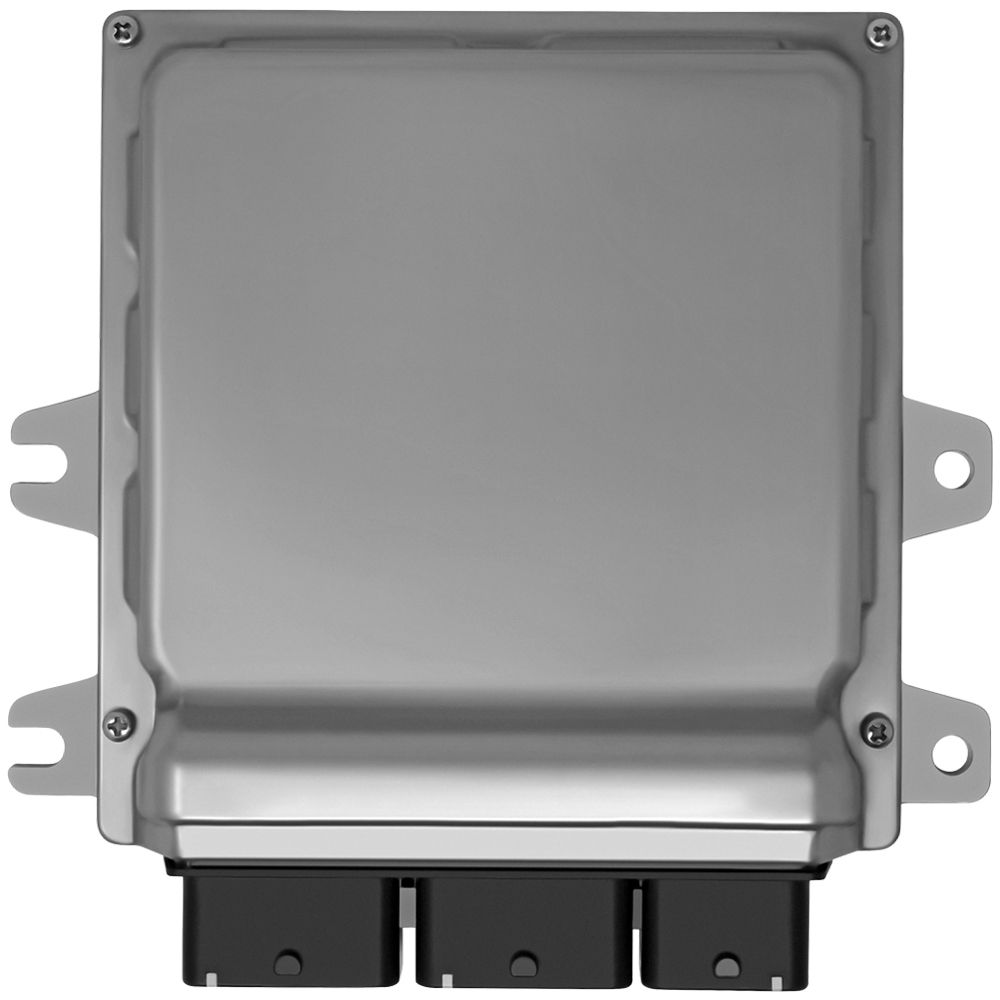
Flagship One stocks a refurbished, VIN-programmed PCM for the 2016 Nissan GT-R with a lifetime warranty, free shipping and no core charge. The full Nissan GT-R module lineup covers other engine configurations as well.
The 2016 Nissan GT-R relies on its PCM and ECM to deliver the performance and precision the model is known for. When these modules fail, the symptoms can range from subtle drivability issues to a complete breakdown. Understanding the replacement process, labor times, and programming requirements can help you navigate repairs with confidence. Whether you opt for a dealership solution or a pre-programmed replacement, addressing the issue promptly will keep your GT-R running as intended.