
Last updated on August 25th, 2026 at 01:45 pm
The Powertrain Control Module (PCM) and Engine Control Module (ECM) in the 2014 Nissan GT-R manage fuel delivery, ignition timing, and transmission behavior. Failures may cause erratic engine performance, stalling, or a complete no-start condition.
If your 2014 Nissan GT-R has developed unexplained stalling, rough idling, or a refusal to start, the issue may stem from the Powertrain Control Module (PCM) or Engine Control Module (ECM). These components act as the brain of your vehicle, coordinating fuel injection, ignition timing, and transmission shifts to ensure smooth operation. When they fail, the symptoms can range from subtle performance hiccups to a complete breakdown. Understanding the role of these modules, how to identify potential failures, and what replacement entails can help you make informed decisions. This guide covers the essentials: where the modules are located, what labor to expect, and how a pre-programmed replacement unit can simplify the process. Whether you’re troubleshooting a current issue or planning ahead, knowing these details ensures you’re prepared for the repair process without unnecessary delays or surprises.
2014 Nissan GT-R
OEM programmed ECM for your 2014 Nissan GT-R — plug & play, no dealer visit.
Free shipping · Lifetime warranty
In the 2014 Nissan GT-R, the Powertrain Control Module (PCM) and Engine Control Module (ECM) work in tandem to optimize engine performance and drivetrain behavior. The ECM focuses on real-time engine management, adjusting fuel delivery and ignition timing based on sensor inputs like throttle position, air intake, and exhaust oxygen levels. The PCM, meanwhile, oversees broader powertrain functions, including transmission shifting and emissions control. Together, they ensure the GT-R’s 3.8L twin-turbo V6 operates efficiently under all driving conditions. A failure in either module can disrupt this balance, leading to poor throttle response, erratic shifting, or even a no-start scenario. Because these modules are calibrated specifically for the GT-R’s high-performance engine, replacing them requires precise replacement engine computers for the GT-R that match the vehicle’s original programming. Without proper calibration, the vehicle may run poorly or trigger persistent warning lights, underscoring the importance of using a compatible unit designed for this model.
The PCM and ECM in the 2014 Nissan GT-R are located in the engine bay, typically mounted near the firewall or under a protective cover. Accessing these modules involves removing the necessary panels or components to reach the mounting points. Replacement requires disconnecting the battery, unplugging the wiring harnesses, and removing the securing bolts. The labor time for removing and reinstalling either module is typically 1.9 hours, according to factory guidelines. Once the old module is removed, the new unit is installed in its place, and the wiring harnesses are reconnected. Torque specifications for the mounting bolts should be followed to ensure a secure fit, though exact values are not always provided in standard labor guides. After installation, the vehicle may require additional programming or relearn procedures to synchronize the new module with the GT-R’s systems.
| Operation | Configuration | Book Time |
|---|---|---|
| Powertrain Control Module R&R | All configurations | 1.9 hr |
| Powertrain Control Module Relearn | All configurations | 0.5 hr |
| Engine Control Module R&R | All configurations | 1.9 hr |
| Engine Control Module Reset | All configurations | 0.3 hr |
| Engine Control Module Relearn | All configurations | 0.5 hr |
After replacing the PCM or ECM in your 2014 Nissan GT-R, the factory procedure typically requires a relearn or reset process to ensure the new module communicates correctly with the vehicle’s sensors and systems. This may involve a 0.5-hour relearn procedure for the PCM or a 0.3-hour reset for the ECM, depending on the module replaced. These steps are critical to prevent issues like poor engine performance, transmission shifting problems, or persistent warning lights. However, if you install a VIN-programmed replacement unit, these additional steps are unnecessary, as the module arrives pre-configured to match your GT-R’s specific calibration. This not only saves time but also reduces the risk of programming errors that could lead to further complications. Always confirm that the replacement unit is compatible with your vehicle’s VIN to avoid compatibility issues during installation.
When the PCM or ECM in your 2014 Nissan GT-R begins to fail, the symptoms can vary but often include noticeable performance issues. You may experience intermittent stalling, especially at idle or during deceleration, as the module struggles to maintain proper fuel and ignition timing. Rough idling or misfires are also common, sometimes accompanied by a check engine light. In some cases, the vehicle may fail to start altogether, leaving you with a cranking engine that refuses to fire. Communication errors with scan tools are another red flag, as the module may not respond to diagnostic requests. Transmission shifting may become erratic or delayed, particularly in automatic modes, due to the PCM’s role in managing gear changes. If the module is partially functional, you might notice reduced power or poor throttle response, as the engine defaults to a limp-home mode to prevent further damage. One specific trouble code that may appear is an internal control module memory check error, indicating a fault within the module’s memory or processing capabilities. Addressing these symptoms promptly can prevent more severe issues, such as catalytic converter damage or transmission wear.
Common signs include stalling, rough idling, a no-start condition, or erratic transmission shifting. A scan tool may also reveal communication errors or trouble codes like P0601. If these symptoms persist after basic troubleshooting, the module may need replacement.
While physically replacing the module is straightforward, the process requires careful handling of wiring harnesses and proper torque on mounting bolts. However, the real challenge lies in the post-install programming, which typically requires dealer-level tools unless you use a pre-programmed unit.
The relearn procedure ensures the new module synchronizes with the vehicle’s sensors and systems. Without it, the engine may run poorly, shift erratically, or trigger warning lights. Factory guidelines specify a 0.5-hour relearn for the PCM or a 0.3-hour reset for the ECM.
Ignoring module issues can lead to worsening performance, including misfires, stalling, or even a complete no-start condition. Over time, this may cause damage to other components, such as the catalytic converter or transmission, leading to more costly repairs.
Aftermarket modules may physically fit, but they often lack the precise calibration required for the GT-R’s high-performance engine. Using a non-programmed unit can result in poor drivability, warning lights, or even engine damage. Always opt for a VIN-programmed replacement to ensure compatibility.
If your 2014 Nissan GT-R is exhibiting signs of a failing PCM or ECM, you have two primary options: repair or replacement. While repairs may seem cost-effective, they often provide only a temporary fix, especially if the module’s internal components are damaged. A replacement unit, particularly one pre-programmed to your GT-R’s VIN, offers a more reliable solution. This approach eliminates the need for additional programming steps and ensures the module is calibrated specifically for your vehicle’s engine and transmission. Given the GT-R’s performance demands, a properly functioning module is essential for maintaining its driving dynamics and responsiveness.
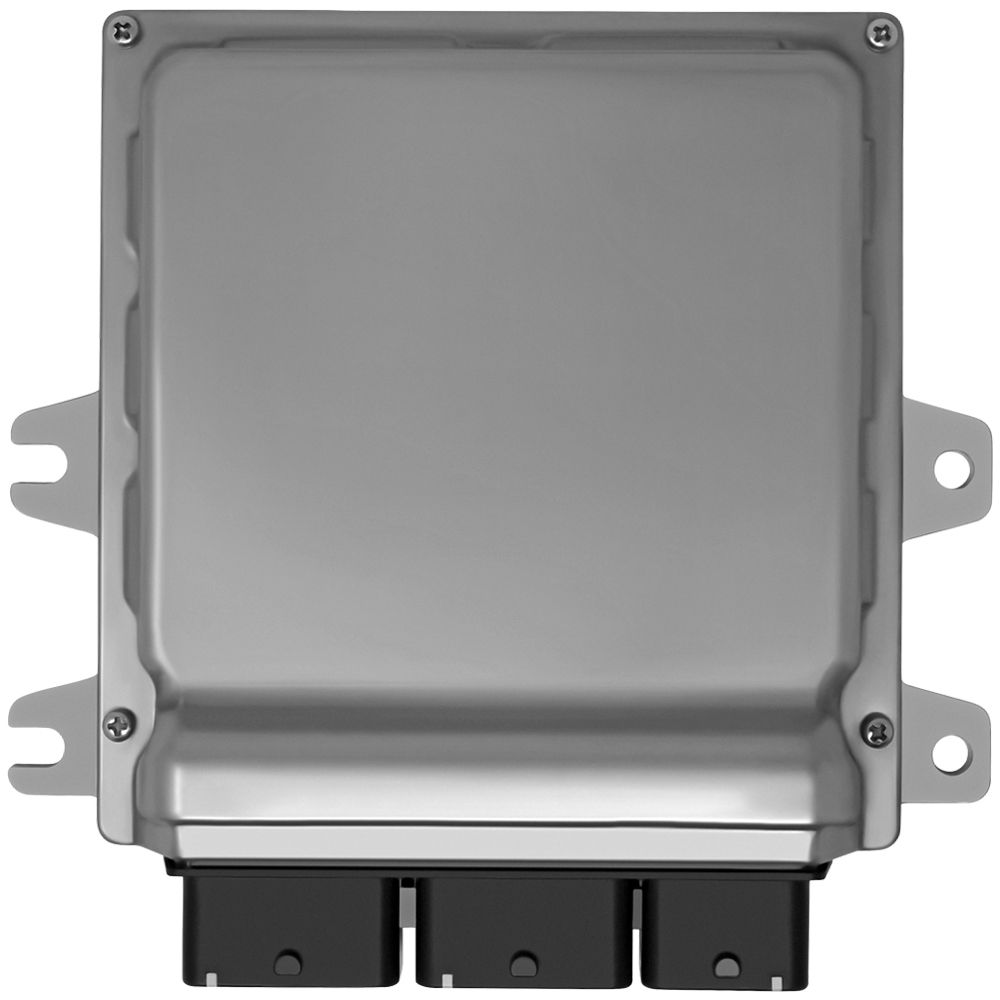
Flagship One stocks a refurbished, VIN-programmed PCM for the 2014 Nissan GT-R with a lifetime warranty, free shipping and no core charge. The full Nissan GT-R module lineup covers other engine configurations as well.
The 2014 Nissan GT-R relies on its PCM and ECM to deliver the performance and drivability owners expect. When these modules fail, the symptoms can range from subtle performance issues to a complete breakdown. Understanding the replacement process, labor times, and programming requirements can help you navigate the repair with confidence. Whether you opt for a dealer visit or a pre-programmed replacement unit, addressing module failures promptly ensures your GT-R remains reliable and responsive. If you suspect an issue, don’t delay—restoring your vehicle’s performance starts with a properly functioning control module.