
Last updated on August 25th, 2026 at 01:46 pm
The PCM in the 2013 Nissan GT‑R controls engine and transmission functions. A fault can disrupt ignition timing, throttle response, and shift logic, leading to performance loss or engine shutdown.
A 2013 Nissan GT‑R owner may encounter erratic acceleration, sudden stalls, or a flashing check‑engine light while driving. These symptoms often point to a malfunctioning powertrain control module (PCM) or engine control module (ECM). Understanding how these modules work, how they are accessed, and what steps are required after replacement can help you make an informed decision about repair or replacement. This guide walks through the replacement process, highlights typical symptoms, and offers practical tips to keep your PCM and ECM running smoothly.
The PCM in the 2013 Nissan GT‑R is the central brain that integrates data from sensors, controls fuel injection, ignition timing, and shift logic, and communicates with the ECM. replacement powertrain computers for the 2013 Nissan GT‑R The PCM’s responsibilities include monitoring throttle position, engine speed, and transmission mode to deliver the vehicle’s high‑performance characteristics. A failure in this module can lead to loss of power, misfires, or the inability of the engine to start. Because the PCM coordinates with the ECM, a fault in either unit can compromise engine timing, fuel delivery, or shift timing, making replacement or re‑programming essential to restore optimal performance.
2013 Nissan GT‑R
OEM programmed ECM for your 2013 Nissan GT‑R — plug & play, no dealer visit.
Free shipping · Lifetime warranty
The PCM is mounted under the driver’s seat, behind the firewall, and the ECM sits in the passenger side engine bay. To replace the PCM, the technician must remove the seat cushion, pry the module from its bracket, and disconnect the electrical harness. The replacement process requires 1.9 hours of labor and involves a 1.9‑hour re‑install time. Once the new module is in place, the ECM replacement, which also takes 1.9 hours, follows the same removal and installation steps. The combined procedure is completed in about four hours of shop time.
| Operation | Configuration | Book Time |
|---|---|---|
| Powertrain Control Module R&R | All configurations | 1.9 hr |
| Powertrain Control Module Relearn | All configurations | 0.5 hr |
| Engine Control Module R&R | All configurations | 1.9 hr |
| Engine Control Module Reset | All configurations | 0.3 hr |
| Engine Control Module Relearn | All configurations | 0.5 hr |
After installing a new PCM, the factory procedure normally requires a reset (0.3 hours) followed by a relearn (0.5 hours) to calibrate idle, throttle, and transmission parameters. Because Flagship One units arrive VIN‑programmed, the reset and relearn steps are already configured, so the technician can skip those steps and proceed directly to final testing. a VIN‑programmed replacement unit This eliminates the need for time‑consuming on‑board programming and ensures the module operates with the vehicle’s exact specifications.
Common signs that the PCM or ECM is failing in a 2013 Nissan GT‑R include a sudden loss of power, stalling during acceleration, or a check‑engine light that shows the P0605 code. The vehicle may also experience irregular shift patterns, misfires, or erratic throttle response. If the engine fails to start after a sudden voltage drop, it may indicate a communication issue between the PCM and the ECM. In addition, a dead scan‑tool connection can point to a module fault. These symptoms often arise when the module’s internal circuitry cannot process sensor inputs correctly.
The 2013 Nissan GT‑R’s PCM may generate internal trouble codes that help diagnose issues. The following table lists codes specific to this module.
| Code | Meaning | Full Guide |
|---|---|---|
| P0605 | Internal ROM error | Full P0605 guide → |
A P0605 code indicates an internal PCM fault. Have a qualified technician remove the module and install a new one, or consider a VIN‑programmed replacement that eliminates the need for post‑install relearn.
If the stalling is due to a faulty PCM, replacement should restore proper engine timing and throttle response. However, if other sensors are at fault, additional diagnostics may be required.
Labor is scheduled for 1.9 hours for removal and installation, plus another 1.9 hours if the ECM is also replaced, totaling roughly four hours of shop time.
With a VIN‑programmed unit, the relearn step is pre‑configured, so the technician can skip idle calibration and proceed directly to functional testing.
Yes, a refurbished PCM that has been verified to meet OEM specifications can be installed, but it may not include the latest factory programming and could require manual relearn steps.
If your 2013 Nissan GT‑R is showing performance issues, you can choose a factory‑approved replacement or a refurbished unit that has been validated for this model. Either option can restore the vehicle’s powertrain reliability, and the VIN‑programmed units simplify the post‑install process.
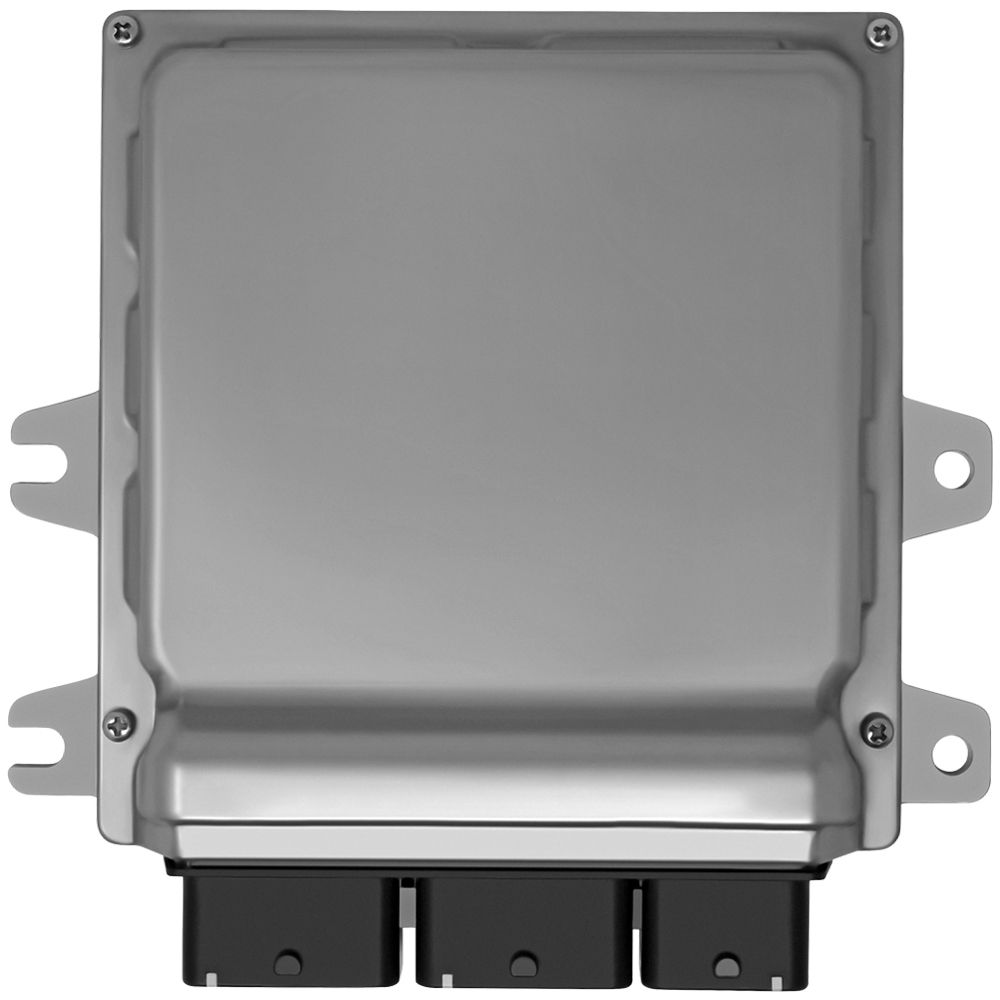
Flagship One stocks a refurbished, VIN-programmed PCM for the 2013 Nissan GT-R with a lifetime warranty, free shipping and no core charge. The full Nissan GT-R module lineup covers other engine configurations as well.
The 2013 Nissan GT‑R relies heavily on its PCM and ECM to deliver the performance it is known for. By addressing module faults promptly and following the correct replacement procedure, you can keep the vehicle running smoothly. Consider a certified replacement to avoid the additional relearn steps.