
Last updated on August 25th, 2026 at 12:09 pm
The Engine Control Module (ECM) in your 2010 Nissan 370Z manages fuel delivery, ignition timing, and emissions systems. Failure may cause drivability issues, poor performance, or complete engine shutdown.
If your 2010 Nissan 370Z has been experiencing unexplained stalling, rough idling, or a no-start condition, the Engine Control Module (ECM) may be the culprit. This small but critical computer manages nearly every aspect of your engine’s performance, from fuel injection to ignition timing. When it fails, your vehicle may exhibit a range of symptoms that can leave you stranded or struggling with poor drivability. Understanding the role of the ECM, recognizing the signs of failure, and knowing the steps involved in replacement can help you make informed decisions about repairs. Whether you’re dealing with a stored trouble code or intermittent performance issues, this guide will walk you through what to expect, how to address the problem, and why choosing the right replacement unit matters for your 370Z.
The Engine Control Module (ECM) in your 2010 Nissan 370Z acts as the brain of your engine, continuously monitoring and adjusting critical systems to ensure optimal performance. It processes data from sensors throughout the vehicle, such as the oxygen sensor, throttle position sensor, and mass airflow sensor, to determine the precise amount of fuel to inject and the ideal timing for ignition. This real-time management helps your 370Z deliver the power and efficiency it was designed for while keeping emissions in check. When the ECM fails, it may disrupt these calculations, leading to symptoms like hesitation, misfires, or even a complete inability to start. Because the ECM is so integral to your vehicle’s operation, a malfunction can leave you with a car that runs poorly—or not at all. Replacing the module with replacement engine computers for the 370Z ensures you restore the precise control your engine needs to perform reliably. Without a properly functioning ECM, even basic driving tasks can become frustrating or impossible.
2010 Nissan 370Z
OEM programmed replacements — plug & play, no dealer visit.
Find yours by year, make & model →
Free shipping · Lifetime warranty
The ECM in your 2010 Nissan 370Z is located in the engine bay, typically mounted on the passenger side near the firewall. Accessing it requires removing the plastic engine cover and possibly some surrounding components to reach the module’s mounting bolts. The replacement process involves disconnecting the battery, unplugging the wiring harness, and carefully removing the old ECM. Once the new unit is installed, the wiring harness is reconnected, and the battery is reattached. According to factory labor estimates, removing and replacing the ECM typically takes 1.3 hours. After installation, the module must be relearned to the vehicle’s systems, a procedure that adds another 0.5 hours of labor. Torque specifications for the mounting bolts are critical to ensure a secure fit and proper grounding, though exact values are not always provided in standard labor guides.
| Operation | Configuration | Book Time |
|---|---|---|
| Powertrain Control Module R&R | All configurations | 1.3 hr |
| Powertrain Control Module Relearn | All configurations | 0.5 hr |
| Engine Control Module R&R | All configurations | 1.3 hr |
| Engine Control Module Reset | All configurations | 0.3 hr |
| Engine Control Module Relearn | All configurations | 0.5 hr |
After replacing the ECM in your 2010 Nissan 370Z, a factory relearn procedure is required to synchronize the new module with the vehicle’s systems. This process ensures that the ECM recognizes the engine’s sensors, transmission, and other components, allowing it to manage fuel delivery, ignition timing, and emissions controls accurately. The relearn typically takes 0.5 hours of labor and may involve using a scan tool to reset adaptive values or performing a series of key cycles to complete the initialization. However, if you install a VIN-programmed replacement unit, these steps are already completed before the module arrives. This eliminates the need for additional programming, saving you time and reducing the risk of errors during the relearn process. While the factory procedure is straightforward, having a pre-programmed ECM simplifies the installation and ensures your 370Z is ready to drive as soon as the module is installed.
When the ECM in your 2010 Nissan 370Z begins to fail, you may notice a range of symptoms that can affect drivability and reliability. One of the most common signs is a no-start condition, where the engine cranks but refuses to fire up. This often occurs because the ECM is no longer able to communicate with the fuel injectors or ignition system. Stalling or rough idling may also develop, particularly when the vehicle is warm, as the ECM struggles to maintain the correct air-fuel mixture. Misfires or hesitation under acceleration can indicate that the ECM is not adjusting ignition timing properly, leading to poor performance. In some cases, the check engine light will illuminate, and a scan tool may reveal module-internal codes like an internal control module ROM error. Other symptoms may include erratic shifting if the ECM is not communicating with the transmission control module, or even a complete loss of scan tool communication if the ECM has failed entirely. Because the ECM manages so many critical functions, symptoms can vary widely, but they often worsen over time if the issue is not addressed.
The 2010 Nissan 370Z may store specific trouble codes when the ECM experiences internal failures. These codes can help diagnose the issue and confirm whether the module needs replacement. Below are the documented module-internal trouble codes for this vehicle.
| Code | Meaning | Full Guide |
|---|---|---|
| P0605 | Internal ROM error | Full P0605 guide → |
Intermittent stalling in your 370Z may be caused by a failing ECM, particularly if the module is struggling to maintain communication with the engine’s sensors. The ECM controls fuel delivery and ignition timing, so if it loses sync with these systems, the engine may shut off unexpectedly. Other symptoms, like rough idling or hesitation, often accompany stalling when the ECM is at fault.
The P0605 code indicates an internal control module ROM error, meaning the ECM has detected a fault in its own memory or processing. This can cause drivability issues like stalling or a no-start condition. Fixing it typically requires replacing the ECM and performing a relearn procedure to ensure the new module functions correctly with your vehicle’s systems.
Replacing the ECM in your 370Z typically takes 1.3 hours of labor for removal and installation. After the new module is installed, an additional 0.5 hours is required for the relearn procedure to synchronize the ECM with the vehicle’s systems. Using a pre-programmed replacement unit can eliminate the need for extra programming steps.
Driving with a failing ECM is risky, as it may lead to poor performance, stalling, or even a complete no-start condition. In some cases, a faulty ECM can cause the engine to run too rich or too lean, potentially damaging components like the catalytic converter over time. It’s best to address the issue promptly to avoid further complications.
An ECM reset clears stored data and trouble codes, which may temporarily restore some functionality. However, a relearn procedure is more comprehensive, allowing the ECM to recalibrate and adapt to your vehicle’s specific sensors and systems. The relearn typically takes 0.5 hours and is necessary after replacing the ECM to ensure proper operation.
If your 2010 Nissan 370Z is experiencing ECM-related issues, you have options for repair or replacement. While a dealership may recommend a new module, a refurbished or pre-programmed replacement can offer a cost-effective alternative without sacrificing reliability. Given the labor involved in replacement and relearn procedures, choosing a unit that arrives ready to install can save you time and hassle. Whether you’re dealing with a no-start condition or intermittent stalling, addressing the ECM promptly will help restore your 370Z’s performance and drivability.
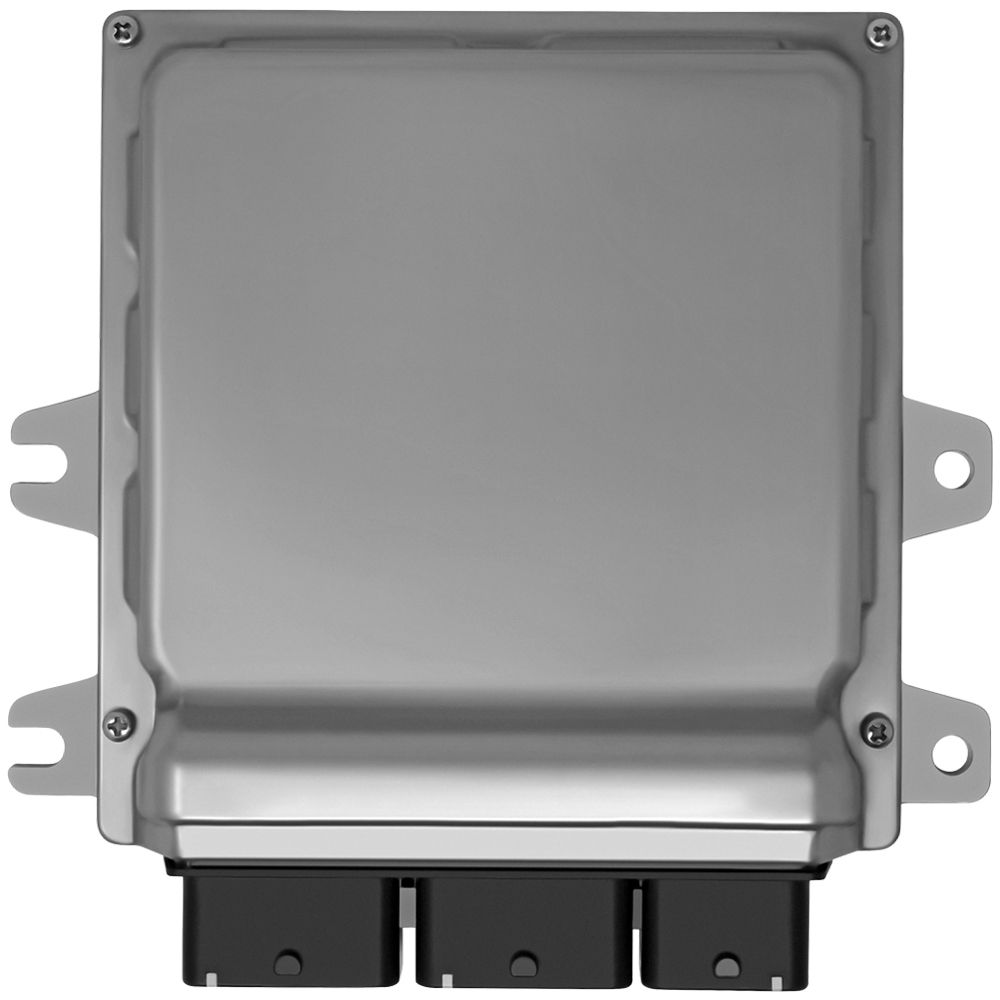
Flagship One stocks a refurbished, VIN-programmed PCM for the 2010 Nissan 370Z with a lifetime warranty, free shipping and no core charge. The full Nissan 370Z module lineup covers other engine configurations as well.
The ECM in your 2010 Nissan 370Z plays a critical role in managing engine performance, and when it fails, the symptoms can range from frustrating to downright disabling. Recognizing the signs of ECM failure, understanding the replacement process, and choosing the right module can help you get back on the road quickly. Whether you opt for a new or pre-programmed unit, addressing the issue promptly will ensure your 370Z runs smoothly and reliably for miles to come.