
Last updated on August 25th, 2026 at 12:09 pm
The Engine Control Module (ECM) in your 2012 Nissan 370Z manages fuel injection, ignition timing, and emissions systems. Failure may cause erratic engine behavior, stored trouble codes, or complete no-start conditions.
If your 2012 Nissan 370Z suddenly refuses to start, stalls unexpectedly, or triggers a check-engine light with no clear cause, the Engine Control Module (ECM) may be at fault. This small but critical computer governs everything from fuel delivery to ignition timing, and when it fails, your vehicle’s performance suffers. Unlike mechanical components, ECM issues often appear without warning, leaving you with frustrating symptoms that standard diagnostics can’t easily trace. Understanding how this module functions, where it’s located, and what replacement involves can save you time and guesswork. Whether you’re dealing with a no-start condition or intermittent drivability problems, knowing the signs of ECM failure—and the steps to address it—helps you make informed decisions about repairs. This guide covers the essentials: what the ECM does, how to spot its failures, and what to expect during replacement, including labor times and programming requirements specific to your 370Z.
The Engine Control Module (ECM) in your 2012 Nissan 370Z serves as the brain of the engine, continuously monitoring and adjusting critical systems to ensure optimal performance. It processes data from sensors throughout the vehicle, such as the mass airflow sensor, oxygen sensors, and throttle position sensor, to calculate the precise amount of fuel to inject and the ideal ignition timing. This real-time adjustment helps maintain fuel efficiency, reduce emissions, and deliver the responsive power the 370Z is known for. The ECM also oversees idle speed control, variable valve timing, and even the vehicle’s anti-theft system, making it indispensable for smooth operation. When the ECM fails, these systems may operate erratically or shut down entirely, leading to symptoms like rough idling, stalling, or a complete inability to start. Replacing the module isn’t just about swapping hardware; it requires careful handling and, in most cases, a relearn procedure to synchronize the new unit with your vehicle’s existing components. For owners seeking a straightforward solution, opting for replacement engine computers for the 370Z can simplify the process, as these units are often pre-programmed to match your vehicle’s VIN, eliminating the need for additional dealer programming steps.
2012 Nissan 370Z
OEM programmed ECM for your 2012 Nissan 370Z — plug & play, no dealer visit.
Free shipping · Lifetime warranty
In your 2012 Nissan 370Z, the ECM is mounted inside the cabin, behind the driver-side kick panel. Accessing it requires removing the lower dashboard trim and the kick panel itself, which is secured with a few screws and clips. Once the panel is off, the ECM is visible and can be unbolted from its bracket. The electrical connector is held in place by a locking tab, which must be released carefully to avoid damaging the pins. Reinstalling the module follows the reverse procedure: secure the ECM to its bracket, reconnect the electrical connector, and reattach the kick panel and trim. The labor time for removal and replacement is typically 1.3 hours, according to factory estimates. After installation, a relearn procedure is necessary to ensure the new ECM communicates properly with the engine and transmission systems, adding another 0.5 hours of labor. Torque specifications for the mounting bolts are critical to prevent vibration or misalignment, though these values are not always published in standard labor guides.
| Operation | Configuration | Book Time |
|---|---|---|
| Powertrain Control Module R&R | All configurations | 1.3 hr |
| Powertrain Control Module Relearn | All configurations | 0.5 hr |
| Engine Control Module R&R | All configurations | 1.3 hr |
| Engine Control Module Reset | All configurations | 0.3 hr |
| Engine Control Module Relearn | All configurations | 0.5 hr |
After replacing the ECM in your 2012 Nissan 370Z, the factory procedure requires a relearn process to synchronize the new module with the vehicle’s engine and transmission systems. This step, which typically takes 0.5 hours, ensures that fuel trims, idle settings, and other adaptive parameters are properly calibrated. Without this procedure, the engine may run poorly, stall, or trigger additional trouble codes. However, if you install a VIN-programmed replacement unit, these steps are already completed before the module arrives. This pre-programming matches the replacement ECM to your vehicle’s specific configuration, eliminating the need for dealer reprogramming and reducing the risk of compatibility issues. While the relearn procedure is still recommended to fine-tune performance, starting with a pre-programmed unit simplifies the process and helps avoid potential delays or additional labor costs.
When the ECM in your 2012 Nissan 370Z begins to fail, the symptoms can range from subtle to severe, often mimicking other mechanical or electrical issues. One of the most common signs is a no-start condition, where the engine cranks but refuses to fire, as the ECM may fail to send the correct signals to the fuel injectors or ignition coils. Stalling or rough idling is another frequent complaint, particularly when the module struggles to maintain consistent fuel delivery or ignition timing. You may also notice the check-engine light illuminating, often accompanied by a internal control module ROM error, which indicates a fault within the ECM itself. Other potential symptoms include poor acceleration, misfires, or even transmission shifting issues, as the ECM communicates with the transmission control module to optimize gear changes. In some cases, the vehicle may enter a “limp mode,” limiting engine power to prevent further damage. Scan-tool communication problems can also arise, where the ECM fails to respond to diagnostic requests, leaving you unable to retrieve trouble codes. Because these symptoms can overlap with other issues—such as faulty sensors or wiring problems—it’s important to rule out simpler causes before assuming the ECM is at fault.
The 2012 Nissan 370Z’s ECM may store specific trouble codes when internal faults occur. These codes help pinpoint issues within the module itself, rather than external sensors or wiring. Below is the documented code for this vehicle.
| Code | Meaning | Full Guide |
|---|---|---|
| P0605 | Internal ROM error | Full P0605 guide → |
ECM failures often produce symptoms that don’t align with a single sensor, such as multiple unrelated trouble codes or a complete loss of scan-tool communication. If replacing sensors doesn’t resolve the issue, the ECM may be the culprit. A professional diagnostic scan can help confirm the source of the problem.
Yes, the factory procedure requires a VIN-specific programming step to ensure the ECM communicates correctly with the vehicle’s systems. However, a pre-programmed replacement unit eliminates this step, as the module arrives ready to install and relearn.
Skipping the relearn procedure may result in poor engine performance, stalling, or additional trouble codes. The ECM relies on this step to recalibrate fuel trims, idle settings, and other adaptive parameters, so it’s critical to follow the factory procedure or use a pre-programmed unit.
Yes, the ECM communicates with the transmission control module to optimize gear shifts. If the ECM is malfunctioning, it may send incorrect signals, leading to harsh or delayed shifting. Addressing ECM issues can often resolve these symptoms.
While the vehicle may still run, a ROM error indicates an internal ECM fault that could worsen over time. Driving with this code may lead to unpredictable behavior, such as stalling or a no-start condition. It’s best to address the issue promptly to avoid being stranded.
If your 2012 Nissan 370Z is experiencing ECM-related issues, you have two primary options: repair or replacement. While some shops may attempt to reflash or repair the existing module, this approach doesn’t always address underlying hardware failures. A replacement ECM, particularly one that’s pre-programmed to your vehicle’s VIN, offers a more reliable solution. This eliminates the need for dealer programming and reduces the risk of compatibility issues, allowing you to get back on the road with minimal downtime. Given the labor involved in accessing and replacing the module, opting for a high-quality replacement unit can save time and frustration in the long run.
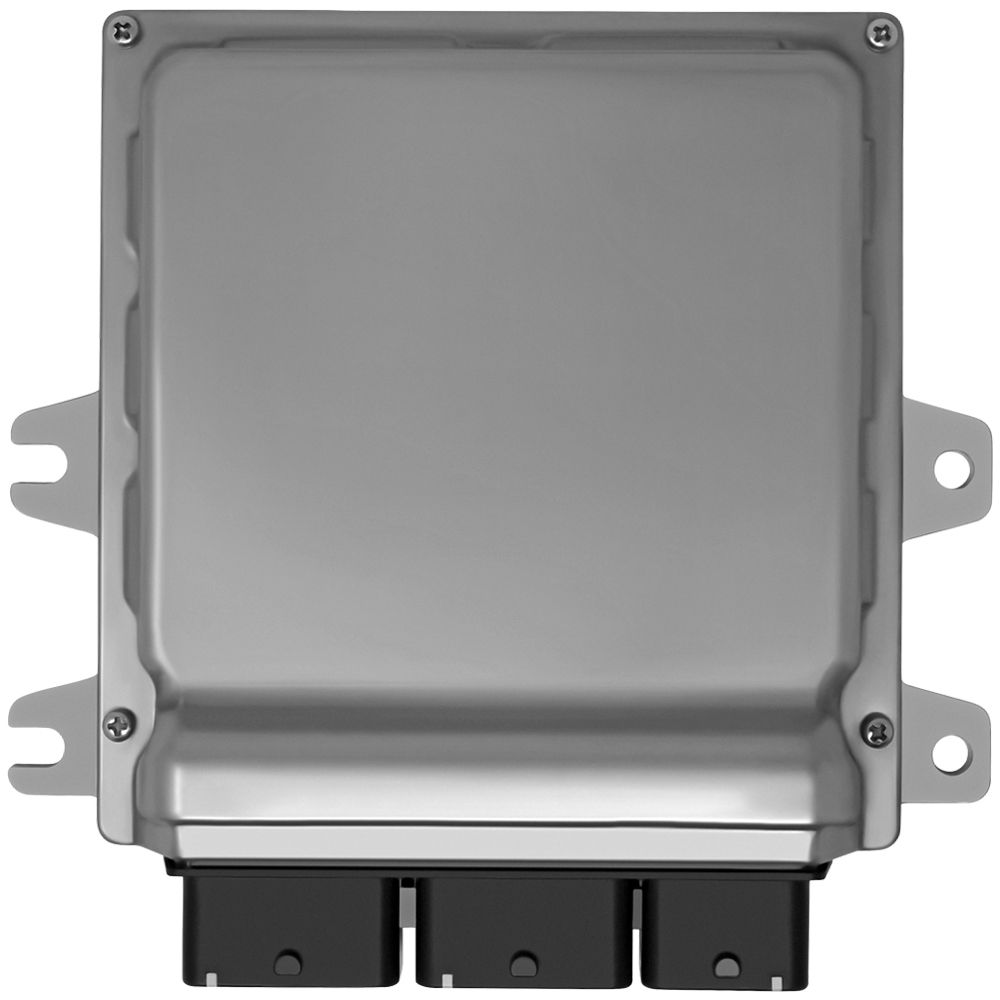
Flagship One stocks a refurbished, VIN-programmed PCM for the 2012 Nissan 370Z with a lifetime warranty, free shipping and no core charge. The full Nissan 370Z module lineup covers other engine configurations as well.
The ECM in your 2012 Nissan 370Z plays a vital role in ensuring smooth engine performance, and when it fails, the symptoms can be frustrating and unpredictable. From no-start conditions to stalling and shifting issues, ECM problems often mimic other mechanical or electrical faults, making diagnosis challenging. Understanding the module’s location, replacement process, and programming requirements can help you navigate repairs with confidence. Whether you choose to replace the ECM yourself or leave it to a professional, opting for a pre-programmed unit simplifies the process and reduces the risk of additional labor costs. By addressing ECM issues promptly, you can restore your 370Z’s reliability and enjoy the responsive performance it was designed to deliver.