
Last updated on August 25th, 2026 at 01:47 pm
In the 2009 Nissan 370Z, the powertrain control module and engine control module manage engine timing, fuel delivery, and transmission shift logic. A failure typically disrupts these functions, leading to loss of power, erratic shifting, or a complete no‑start condition.
When a 2009 Nissan 370Z begins to exhibit erratic engine behavior, it often points to a problem with the vehicle’s computer systems. Understanding how the powertrain control module (PCM) and engine control module (ECM) function can help you diagnose the issue and decide on the best repair path. This guide explains what each module does, where they are located, the labor involved in replacing them, and what factory programming steps are required. By the end, you will know how to assess the situation, what to expect from a professional repair, and how a Flagship One replacement can simplify the process.
The PCM in the 2009 Nissan 370Z serves as the central brain for both engine and transmission operations, interpreting sensor data to control fuel injection, ignition timing, and gear shifts. Meanwhile, the ECM focuses specifically on engine management, handling air‑fuel mixture, idle speed, and emissions controls. Together, they ensure the V6 delivers smooth power across the rev range and that the six‑speed manual shifts reliably. Their proper function is essential for performance, fuel economy, and emissions compliance. replacement engine control modules for the 2009 Nissan 370Z are designed to match the original specifications and communicate seamlessly with the vehicle’s wiring harness and sensors.
2009 Nissan 370Z
OEM programmed ECM for your 2009 Nissan 370Z — plug & play, no dealer visit.
Free shipping · Lifetime warranty
Both the PCM and ECM in the 2009 Nissan 370Z are mounted within the engine compartment, typically secured to the firewall or sub‑frame with bolts that require standard torque. Removing the PCM involves disconnecting the main power connector, unplugging the sensor harnesses, and unbolting the unit, which accounts for the 1.3‑hour labor estimate. Reinstallation follows the reverse order, ensuring all connectors seat fully. The ECM follows a similar process: detach the power lead, remove the harness, and undo the mounting bolts, also rated at 1.3 hours. After each unit is secured, the respective relearn steps—0.5 hours for the PCM and 0.5 hours for the ECM—are performed to calibrate the new hardware with the vehicle’s existing sensors.
| Operation | Configuration | Book Time |
|---|---|---|
| Powertrain Control Module R&R | All configurations | 1.3 hr |
| Powertrain Control Module Relearn | All configurations | 0.5 hr |
| Engine Control Module R&R | All configurations | 1.3 hr |
| Engine Control Module Reset | All configurations | 0.3 hr |
| Engine Control Module Relearn | All configurations | 0.5 hr |
Once the PCM or ECM is physically installed, the factory service procedure calls for a reset and relearn sequence to align the module with the vehicle’s existing parameters. The PCM reset takes about 0.3 hours, followed by a 0.5‑hour relearn, while the ECM reset is 0.3 hours with an additional 0.5‑hour relearn. Flagship One units arrive pre‑programmed to the vehicle’s VIN, meaning those reset and relearn steps are already satisfied. a VIN‑programmed replacement unit eliminates the need for additional dealer‑only programming equipment.
When the PCM or ECM fails in a 2009 Nissan 370Z, you may notice the engine refusing to start, intermittent stalling at idle, or unexpected loss of power during acceleration. Diagnostic scans often reveal communication errors or the internal fault code PCM internal memory error appearing on the OBD‑II reader. Additional signs can include erratic transmission shifting, rough idle, or a sudden surge of check‑engine lights. These symptoms stem from the modules’ inability to process sensor inputs correctly, which disrupts fuel delivery, ignition timing, and shift logic.
The following internal trouble codes are commonly reported for the 2009 Nissan 370Z’s control modules:
| Code | Meaning | Full Guide |
|---|---|---|
| P0605 | Internal ROM error | Full P0605 guide → |
The book time for removing and reinstalling the powertrain control module on a 2009 Nissan 370Z is generally listed as 1.3 hours.
Factory procedure includes a reset and a relearn step, each taking about 0.3 and 0.5 hours respectively, but a VIN‑programmed unit from Flagship One fulfills those requirements.
Yes, because the PCM controls both engine and transmission functions, a fault can lead to erratic or missed shifts.
P0605 signals an internal memory error within the powertrain control module, often requiring module replacement or reprogramming.
Both modules operate independently; only the failed unit needs replacement unless diagnostics show concurrent issues.
When the PCM or ECM in your 2009 Nissan 370Z needs attention, you can choose a professional repair with a new OEM unit or consider a refurbished replacement that meets factory specifications. Evaluating cost, availability, and warranty coverage will help you decide the best path forward for restoring reliable performance.
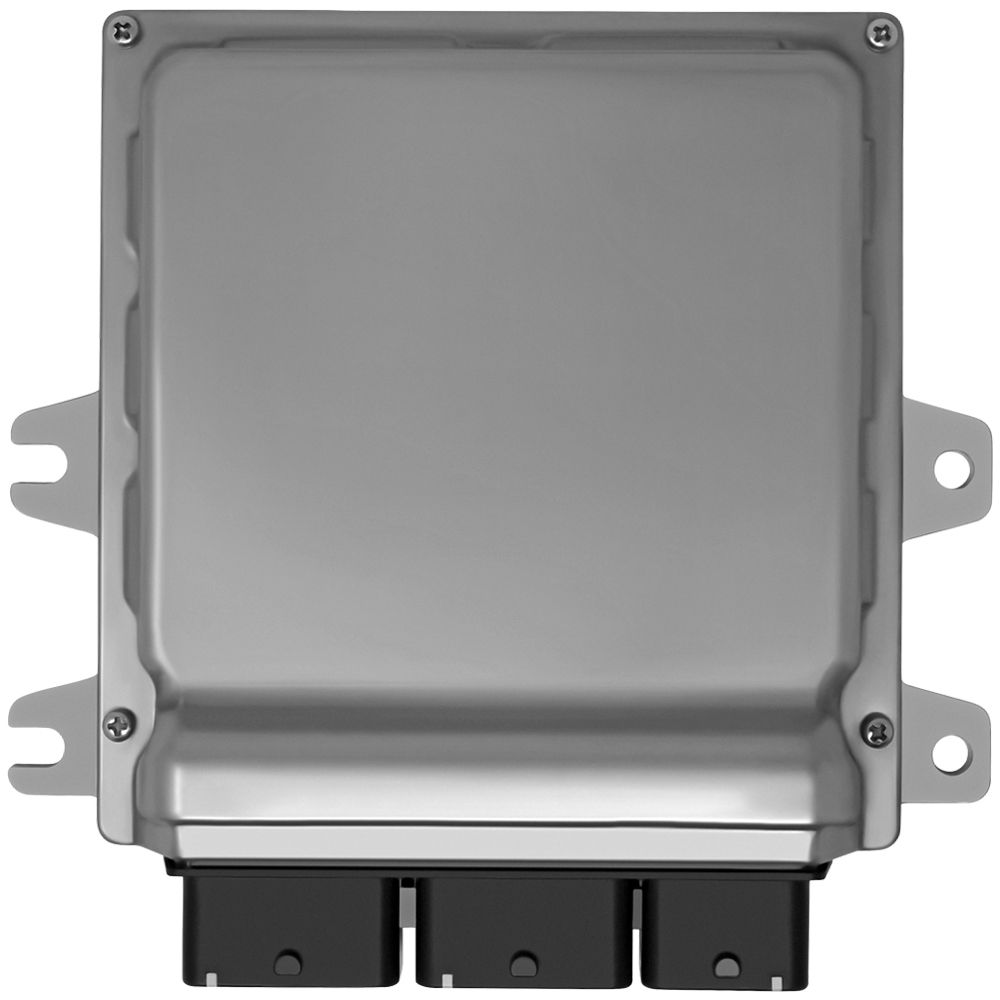
Flagship One stocks a refurbished, VIN-programmed PCM for the 2009 Nissan 370Z with a lifetime warranty, free shipping and no core charge. The full Nissan 370Z module lineup covers other engine configurations as well.
Replacing the PCM or ECM in a 2009 Nissan 370Z can resolve many engine and transmission issues. Contact a qualified technician to assess the situation and explore both new and refurbished options for a solution that fits your needs.