
Last updated on August 25th, 2026 at 01:47 pm
In the 2009 Nissan Quest, the Powertrain Control Module (PCM) and Engine Control Module (ECM) act as the vehicle’s central computers, managing fuel delivery, ignition timing, and emission controls. A failure in either unit can trigger a loss of engine control, resulting in no‑start conditions, rough idle, or intermittent power loss. The PCM also communicates with transmission functions, while the ECM monitors sensor data and runs diagnostic routines. When these modules malfunction, the vehicle may log fault codes such as P0605 and require removal and replacement to restore normal operation.
When a 2009 Nissan Quest begins to exhibit no‑start symptoms, rough idle, or unexpected stalling, the vehicle’s electronic control modules are often the first suspects. Understanding how the Powertrain Control Module and Engine Control Module operate in this model can help you diagnose the issue more efficiently and decide whether a repair or a replacement is the better path. This guide walks you through the function of each module, the typical labor involved in removal, the factory‑required relearn steps, and practical tips to keep the electronics healthy. By the end, you should know what to expect from a professional service and how to protect the new unit once it’s installed.
2009 Nissan Quest
OEM programmed ECM for your 2009 Nissan Quest — plug & play, no dealer visit.
Free shipping · Lifetime warranty
The Powertrain Control Module in the 2009 Nissan Quest serves as the brain for both the engine and the transmission, processing inputs from dozens of sensors to adjust fuel, spark, and shift timing in real time. It also stores diagnostic trouble codes that help technicians pinpoint failures. The Engine Control Module focuses on engine‑specific tasks, such as monitoring air‑fuel ratios, controlling emissions components, and managing idle speed. Together, they ensure smooth acceleration, fuel efficiency, and compliance with emissions standards. Because the Quest relies on precise coordination between these computers, any loss of communication or internal error can result in drivability problems. For owners facing repeated stalling or a dead scan‑tool connection, examining the health of the PCM and ECM is a logical step. The module’s internal processing power is essential for maintaining the vehicle’s performance, and a faulty unit may trigger the replacement ECMs for Quest that many shops recommend.
Both the PCM and ECM are mounted within the engine compartment of the 2009 Nissan Quest, typically secured to the firewall or a nearby bracket. Access generally requires removal of a few plastic covers and disconnecting electrical connectors before the modules can be unbolted. The factory book time lists 0.5 hours for removing and reinstalling the Powertrain Control Module and an identical 0.5 hours for the Engine Control Module. After the units are secured in their original locations, torque specifications should be followed as outlined in the service manual, though specific values are not provided here. Once the modules are in place, reconnect the harnesses, replace any protective covers, and verify that all connectors are seated firmly to avoid intermittent faults.
| Operation | Configuration | Book Time |
|---|---|---|
| Powertrain Control Module R&R | All configurations | 0.5 hr |
| Engine Control Module R&R | All configurations | 0.5 hr |
| Engine Control Module Relearn | All configurations | 0.5 hr |
Following replacement of the Engine Control Module in the 2009 Nissan Quest, the factory procedure calls for a 0.5‑hour relearn process to calibrate sensor inputs and re‑establish communication with the PCM. This step ensures that the new ECM operates with the correct baseline parameters for the engine. Flagship One units arrive pre‑configured for the vehicle’s VIN, so the required relearn is already completed in the replacement part. When you receive a VIN-programmed replacement unit, the post‑install programming work is effectively eliminated, allowing the technician to focus on mechanical verification and final testing.
A failing PCM or ECM in the 2009 Nissan Quest often presents as a complete no‑start condition, where the engine cranks but does not fire. Drivers may also notice intermittent stalling at idle or under load, rough acceleration, and occasional loss of power while cruising. Diagnostic scans frequently reveal communication failures, and the vehicle may log the P0605 fault indicating an internal processing error within the ECM. In some cases, the transmission may shift erratically because the PCM is unable to send proper shift commands. These symptoms typically worsen as the module’s internal circuitry degrades, making timely replacement important to avoid being stranded.
The following internal diagnostic codes are specific to the 2009 Nissan Quest and help identify module‑related faults:
| Code | Meaning | Full Guide |
|---|---|---|
| P0605 | Internal ROM error | Full P0605 guide → |
In most cases, PCM repair is not practical because the unit contains proprietary micro‑controllers. Replacement is usually the recommended approach, especially when fault codes such as P0605 appear.
The factory book time lists about half an hour for the Engine Control Module removal and reinstallation, assuming standard access without additional complications.
Yes, the factory procedure includes a 0.5‑hour relearn to synchronize sensor data with the new ECM, though a VIN‑programmed replacement from Flagship One typically eliminates that step.
P0605 signals an internal processing error within the ECM, often requiring module replacement to resolve the issue.
A refurbished unit that is VIN‑programmed and meets factory specifications should not impact warranty coverage, but it’s best to confirm with the dealer.
When the PCM or ECM fails in a 2009 Nissan Quest, you have two practical routes: a professional repair shop can replace the original equipment, or you can opt for a Flagship One refurbished unit that arrives VIN‑programmed and ready for installation. Both choices restore the vehicle’s electronic control functions, but the refurbished option often reduces labor time because the programming step is already completed.
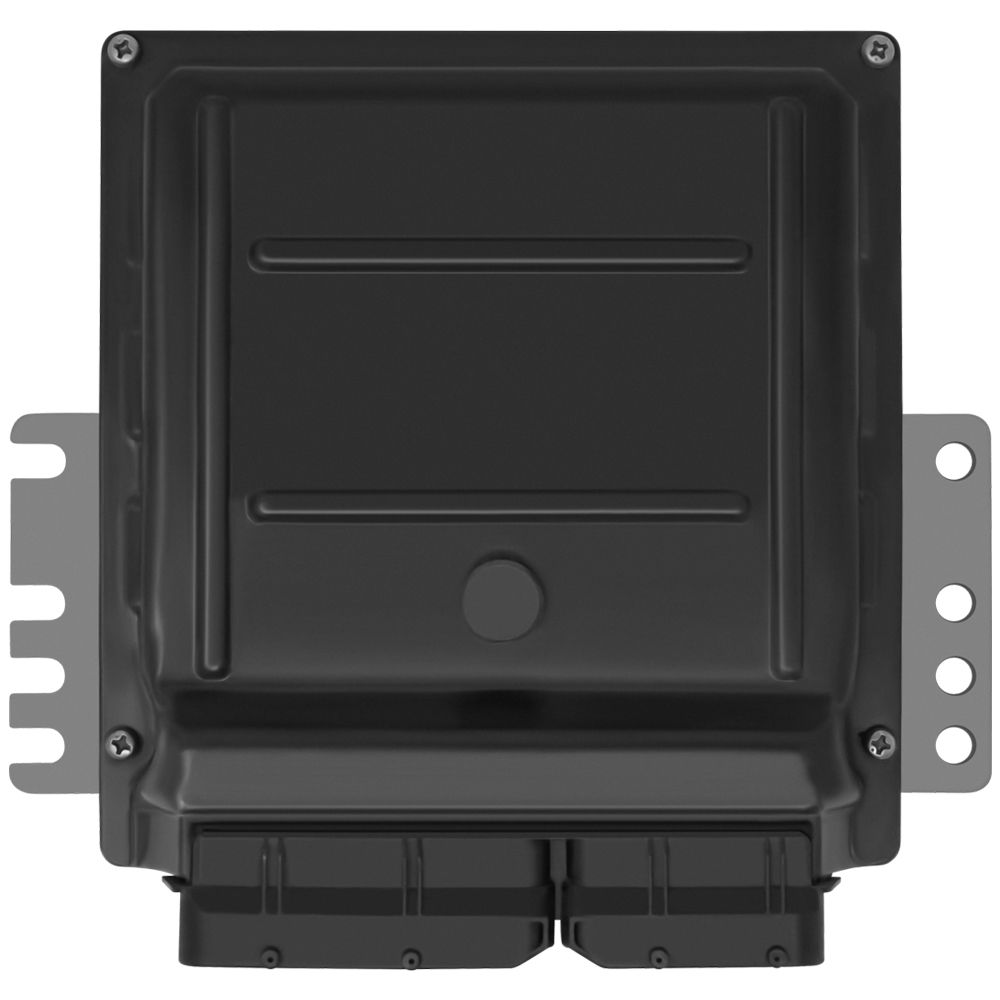
Flagship One stocks a refurbished, VIN-programmed PCM for the 2009 Nissan Quest with a lifetime warranty, free shipping and no core charge. The full Nissan Quest module lineup covers other engine configurations as well.
If your 2009 Nissan Quest is showing no‑start or stalling symptoms, addressing the PCM or ECM promptly can prevent further drivability issues. Consider a VIN‑programmed replacement to simplify the repair process and get back on the road with confidence.