
Last updated on August 25th, 2026 at 01:47 pm
The Engine Control Module in your 2008 Nissan Altima Hybrid serves as the primary computer managing engine functions, fuel injection timing, and emissions systems. Internal failures in this module may stem from voltage spikes, heat exposure, or gradual component degradation within the unit itself.
When your 2008 Nissan Altima Hybrid develops starting problems, stalling, or sets an internal control module fault code, the root cause often traces to the Engine Control Module itself. This module manages critical engine operations in your specific vehicle, including fuel delivery, ignition timing, and emissions control functions. Understanding how the module operates, what causes it to fail, and what your replacement options are helps you make informed repair decisions without unnecessary expense or downtime. This guide covers the module’s role in your Altima Hybrid, documented symptoms of failure, factory-recommended replacement procedures, and practical advice for determining whether repair or replacement represents the better value for your situation. Knowledge of the relearn procedures and programming requirements ensures you understand what professional service should include.
The Engine Control Module in your 2008 Nissan Altima Hybrid functions as the central nervous system for engine and powertrain management. This computer receives data from numerous sensors throughout the engine bay, processing this information thousands of times per second to maintain optimal air-fuel mixtures, precise ignition timing, and proper emissions system operation. Unlike simpler vehicles, the Altima Hybrid integrates its conventional 2.5L gasoline engine with an electric hybrid system, placing additional communication demands on the control module to coordinate power delivery between the internal combustion engine and electric motor. The module stores calibration data specific to your vehicle’s engine characteristics, learned adaptives based on driving patterns, and fault memory that technicians access during diagnostics. Because this unit processes inputs from the mass airflow sensor, crankshaft position sensor, camshaft position sensors, and dozens of other data sources, an internal failure disrupts multiple engine functions simultaneously. replacement engine computers for the Altima manage not only conventional engine operations but also hybrid-specific coordination tasks that differ from non-hybrid control strategies.
2008 Nissan Altima Hybrid
OEM programmed ECM for your 2008 Nissan Altima Hybrid — plug & play, no dealer visit.
Free shipping · Lifetime warranty
The Engine Control Module in the 2008 Nissan Altima Hybrid typically resides in the engine compartment, though exact positioning may vary based on specific production specifications. Accessing the module requires disconnecting the vehicle battery before beginning work, a safety step that prevents electrical damage and clears volatile memory from the module. The replacement procedure involves removing the existing module from its mounting location, disconnecting the electrical harness with care to avoid damaging the connectors, and transferring any mounting hardware to the replacement unit. Book time for Engine Control Module R&R on this vehicle is listed at 1.0 hours using the standard procedure. An additional 0.5 hours covers the relearn procedure that follows installation. The installation process concludes with reconnecting the battery and verifying that the replacement module establishes proper communication with vehicle sensors. Proper torque application on mounting fasteners ensures the module remains secure during vehicle operation, preventing vibration-related failures that could compromise electrical connections over time.
| Operation | Configuration | Book Time |
|---|---|---|
| Engine Control Module R&R | GAS | 1.4 hr |
| Engine Control Module R&R | All configurations | 1.0 hr |
| Engine Control Module Relearn | All configurations | 0.5 hr |
| Powertrain Control Module R&R | GAS | 1.4 hr |
| Powertrain Control Module R&R | All configurations | 1.0 hr |
After installing a replacement Engine Control Module in your 2008 Nissan Altima Hybrid, the factory service procedure requires completing relearn procedures to synchronize the new module with your vehicle’s specific engine characteristics and adaptive memory tables. This relearn process allows the module to recalibrate fuel delivery, idle speed, and transmission shift points based on current sensor readings rather than the failed module’s last stored values. Without proper relearn, your vehicle may exhibit poor idle quality, reduced fuel economy, or erratic transmission behavior until the module completes its self-adjustments through normal driving. The relearn procedure typically involves specific key-on engine-off sequences followed by a road test to allow the module to learn driver habits and environmental conditions. Flagship One units arrive VIN-programmed, meaning they contain your specific vehicle’s identification and calibration data before shipping. This programming eliminates the need for manual module programming at the time of installation, though the post-install relearn step remains a standard requirement according to factory service procedures.
Every VIN-programmed replacement unit from Flagship One arrives with these steps already completed.
Engine Control Module failures in the 2008 Nissan Altima Hybrid typically announce themselves through multiple drivability concerns rather than isolated issues. A failing module commonly causes hard starting or no-start conditions when internal circuits can no longer process crankshaft position signals correctly. Stalling and rough idle frequently accompany module problems because the unit can no longer maintain proper fuel injection and ignition timing synchronization. Persistent misfire codes affecting multiple cylinders suggest the module cannot properly interpret sensor data or deliver consistent spark commands to the ignition system. When the module suffers communication failures, technicians find that scan tools cannot establish data link connections, preventing diagnostic access to the vehicle’s systems. internal memory integrity fault often precedes more severe drivability symptoms as the module’s internal processor begins degrading. Transmission shifting problems may also emerge when the module can no longer communicate reliably with the transmission control system. Any combination of these symptoms following a check engine light illumination warrants professional diagnostic testing to determine whether the module itself has failed or external causes such as wiring or sensor issues are responsible.
The 2008 Nissan Altima Hybrid documented with code P0605 indicates the Engine Control Module detected an internal memory integrity failure during self-diagnostic testing. This code specifically points to problems within the module’s internal memory systems rather than external sensor or wiring faults. Understanding the distinction between internal module codes and codes triggered by external component failures helps clarify why module replacement rather than sensor replacement resolves certain check engine light conditions.
| Code | Meaning | Full Guide |
|---|---|---|
| P0605 | Internal ROM error | Full P0605 guide → |
Internal failures within the module’s circuit board or processor typically cannot be repaired through external service. Most technicians recommend replacement rather than repair because internal electronic faults require specialized equipment and factory-level calibration capabilities that exceed what external service can provide. A refurbished replacement module from a reputable supplier often represents the most practical solution.
Factory service procedures for this vehicle require completing relearn procedures following module replacement to synchronize adaptive tables and sensor calibrations with the new unit. Units ordered from Flagship One arrive pre-programmed with your vehicle’s specific VIN and calibration data, eliminating the need for time-consuming manual programming at the time of installation.
Professional diagnosis involves testing power and ground supplies to the module, checking circuit integrity between sensors and the module, and verifying that sensor signals remain within specifications. When all external circuits test properly but the module displays internal fault codes such as P0605 or fails to communicate with scan tools, technicians identify the module itself as the failed component requiring replacement.
Standard replacement includes removing the existing module and installing the replacement unit, a procedure with book time of approximately 1.0 hours on this specific vehicle. An additional 0.5 hours covers the relearn procedure that follows installation to allow the new module to calibrate to your vehicle’s specific engine and hybrid system characteristics.
Salvage yard modules often carry unknown history regarding previous fault codes, voltage exposures, or internal degradation. Additionally, modules from non-hybrid vehicles may lack the hybrid-specific calibration data your Altima requires. Purchasing a professionally refurbished or new replacement with verified programming provides greater reliability and assurance that the unit will function correctly with your vehicle’s systems.
When the Engine Control Module on your 2008 Nissan Altima Hybrid requires replacement, you face choosing between costly dealership service and professional-grade aftermarket options. Refurbished replacement modules undergo testing to verify internal circuit integrity before shipping, offering quality comparable to new units at significantly reduced cost. Repairing a failed module internally is rarely practical given the specialized equipment and factory-level programming required. Your specific vehicle benefits from understanding that hybrid system integration adds complexity to control module functions compared to conventional gasoline vehicles, making correct replacement part selection essential for proper operation.
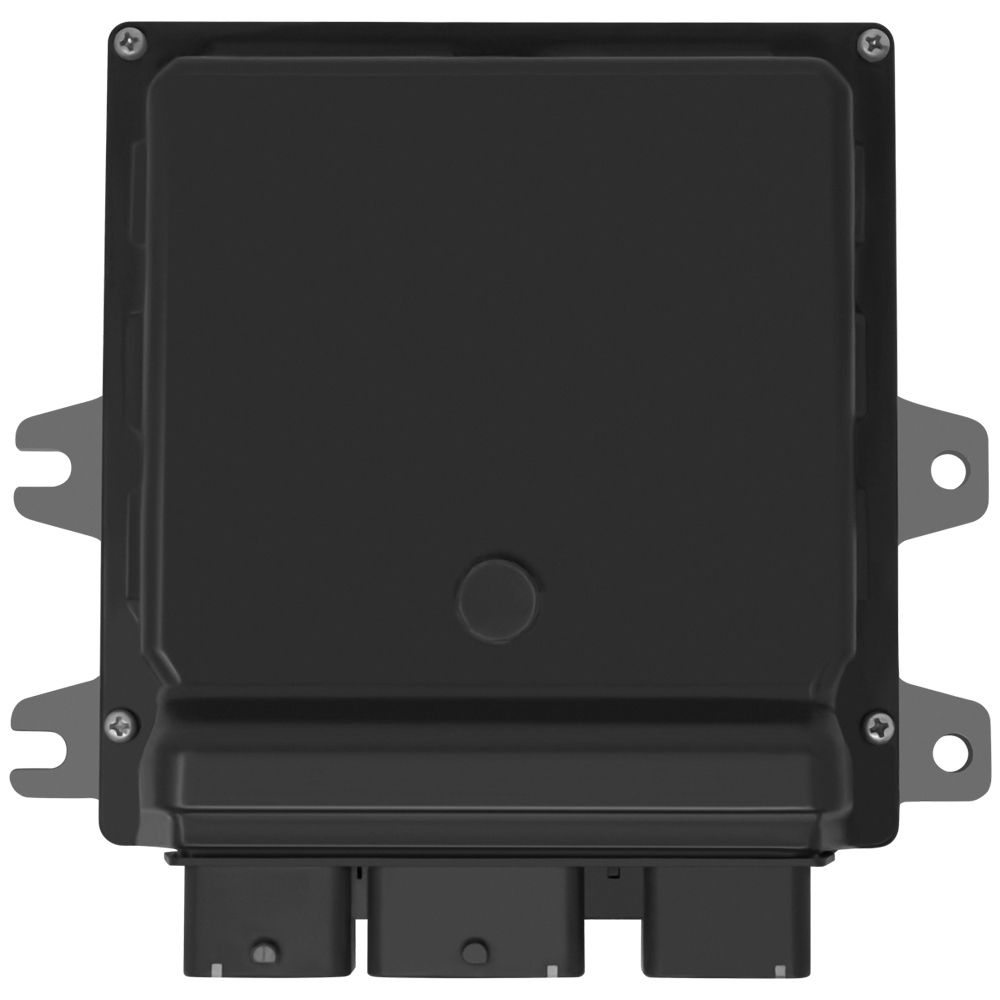
Flagship One stocks a refurbished, VIN-programmed PCM for the 2008 Nissan Altima Hybrid with a lifetime warranty, free shipping and no core charge. The full Nissan Altima Hybrid module lineup covers other engine configurations as well.
The 2008 Nissan Altima Hybrid’s Engine Control Module represents a critical component managing both conventional engine functions and hybrid-specific coordination tasks. Recognizing symptoms of module failure, understanding the replacement procedure, and knowing what programming or relearn steps the factory service procedure requires empowers you to discuss repair options knowledgeably with your technician. Whether you ultimately pursue repair or replacement, informed decisions protect your investment in your Altima Hybrid and restore reliable drivability.