
Last updated on August 25th, 2026 at 01:49 pm
The Engine Control Module (ECM) in your 1998 Nissan 240SX manages fuel delivery, ignition timing, and emissions systems. Failures may cause erratic engine behavior, poor performance, or stored trouble codes, often leading to drivability issues.
If your 1998 Nissan 240SX is experiencing unexplained stalling, rough idling, or a check engine light that won’t clear, the Engine Control Module (ECM) may be the culprit. This small but critical computer manages everything from fuel injection to ignition timing, ensuring your 2.4L engine runs smoothly. When it fails, symptoms can range from subtle performance issues to a complete no-start condition. Replacing the ECM isn’t just about swapping a part—it involves precise steps to ensure the new unit communicates correctly with your vehicle’s systems. Understanding the role of the ECM, how to identify failure signs, and what replacement entails can save you time and frustration. Whether you’re diagnosing a persistent trouble code or preparing for a repair, this guide covers what you need to know about the ECM in your 1998 Nissan 240SX.
The Engine Control Module (ECM) in your 1998 Nissan 240SX acts as the brain of the engine, continuously monitoring sensors and adjusting fuel delivery, ignition timing, and emissions controls to optimize performance. It ensures the 2.4L inline-four engine operates efficiently under all driving conditions, from cold starts to highway cruising. Without a functioning ECM, your vehicle may struggle to start, run poorly, or even enter a fail-safe mode to prevent damage. The module also stores diagnostic trouble codes when it detects anomalies, which can help pinpoint issues like misfires or sensor failures. Over time, heat, vibration, or electrical issues may degrade the ECM’s internal components, leading to intermittent or permanent failures. When replacement becomes necessary, using replacement engine computers for the 240SX ensures compatibility and reliability, as these units are designed to match the original specifications of your vehicle’s powertrain.
1998 Nissan 240SX
OEM programmed ECM for your 1998 Nissan 240SX — plug & play, no dealer visit.
Free shipping · Lifetime warranty
In the 1998 Nissan 240SX, the ECM is located inside the passenger compartment, typically mounted behind the dashboard or under the glove box area. Accessing it requires removing interior panels or trim pieces, but the process is straightforward for a technician familiar with the vehicle. According to factory labor estimates, removing and reinstalling the ECM takes about 0.5 hours. There are no special tools or torque specifications mentioned for this procedure, but care should be taken to avoid damaging the electrical connector or surrounding components. Once the old module is removed, the new ECM is installed in its place, and the electrical connector is securely reattached. Proper seating of the connector is critical to ensure reliable communication between the ECM and the vehicle’s sensors.
| Operation | Configuration | Book Time |
|---|---|---|
| Powertrain Control Module R&R | All configurations | 0.5 hr |
| Powertrain Control Module Relearn | All configurations | 0.5 hr |
| Engine Control Module R&R | All configurations | 0.5 hr |
| Engine Control Module Relearn | All configurations | 0.5 hr |
After installing a new ECM in your 1998 Nissan 240SX, a relearn procedure is required to synchronize the module with the vehicle’s systems. This process, which takes about 0.5 hours of labor, ensures the ECM recognizes the engine’s sensors and adapts to the specific characteristics of your 2.4L engine. Without this step, the vehicle may experience drivability issues, such as rough idling or poor acceleration. However, if you opt for a VIN-programmed replacement unit, these steps are already completed before the unit arrives. This means the ECM is pre-configured to match your vehicle’s VIN, eliminating the need for additional programming or relearn procedures. The result is a plug-and-play solution that saves time and reduces the risk of post-installation issues.
When the ECM in your 1998 Nissan 240SX begins to fail, symptoms can vary widely, but they often include noticeable drivability issues. One of the most common signs is a check engine light accompanied by stored trouble codes, such as random cylinder misfire detected. This code may indicate the ECM is struggling to manage ignition timing or fuel delivery, leading to uneven engine performance. Other symptoms include stalling, especially at idle or during deceleration, and difficulty starting the engine. You might also experience poor fuel economy or a lack of power during acceleration, as the ECM fails to optimize air-fuel ratios. In some cases, the vehicle may enter a fail-safe mode, limiting engine speed to prevent damage. Intermittent issues, like sudden surges or hesitation, can also point to ECM problems, particularly if they occur without a clear pattern. If your scan tool fails to communicate with the ECM, that’s another strong indicator of a module failure. Addressing these symptoms promptly can prevent further damage to other engine components.
Nissan has issued several service bulletins addressing ECM-related issues in the 1998 240SX. Bulletin NTB97025 describes instances where the Malfunction Indicator Lamp (MIL) illuminates due to a stored P0300 code, indicating a multi-cylinder misfire caused by the ECM. Another bulletin, NTB97059, covers cases where the MIL turns on with a P0100 code, pointing to a mass air flow sensor issue linked to ECM performance. Additionally, NTB94065 provides guidance on proper ECM installation procedures to avoid post-replacement drivability problems. These bulletins highlight the importance of following factory-recommended steps when diagnosing or replacing the ECM in your 240SX.
| Bulletin | Subject | What It Addresses |
|---|---|---|
| — | EC – ENGINE CONTROL SYSTEM: 1997 240SX MIL ‘ON’; P0300 (MULTI-CYLINDER MISFIRE) STORED DUE TO T | — |
| — | EC – ENGINE CONTROL SYSTEM: MIL ‘ON’; DIAGNOSTIC TROUBLE CODE P0100 (MASS AIR FLOW SENSOR) STOR | — |
| — | EC – ENGINE CONTROL SYSTEM: ECM INSTALLATION | — |
Stalling after an ECM replacement often occurs if the relearn procedure isn’t completed. The ECM needs to recalibrate to your engine’s sensors and operating conditions. Without this step, the vehicle may run poorly or stall. Using a pre-programmed unit can eliminate this issue.
Yes, a failing ECM may struggle to manage ignition timing or fuel delivery, leading to misfires. This often triggers a P0300 code, indicating random cylinder misfires. If the ECM is the root cause, replacing it should resolve the issue.
Start by scanning for trouble codes. If the ECM stores codes like P0300 or P0100, it may point to ECM-related faults. However, sensor issues can mimic ECM failures, so testing sensors individually is often necessary to isolate the problem.
Driving with a failing ECM may lead to poor performance, stalling, or even a no-start condition. In some cases, the vehicle may enter a fail-safe mode, limiting engine power. It’s best to address ECM issues promptly to avoid further complications.
Replacing the ECM typically requires basic hand tools, such as screwdrivers and trim removal tools, to access the module behind the dashboard. A scan tool may also be needed to clear codes or perform a relearn procedure after installation.
If your 1998 Nissan 240SX is showing signs of ECM failure, you have a few options to consider. A repair may be possible if the issue is limited to a specific component, but this isn’t always reliable for long-term solutions. Replacing the ECM with a new or refurbished unit is often the most effective approach. Opting for a VIN-programmed replacement ensures the module is ready to install without additional programming, saving you time and hassle. Whether you’re dealing with a no-start condition or persistent misfires, addressing the ECM promptly can restore your vehicle’s performance and reliability.
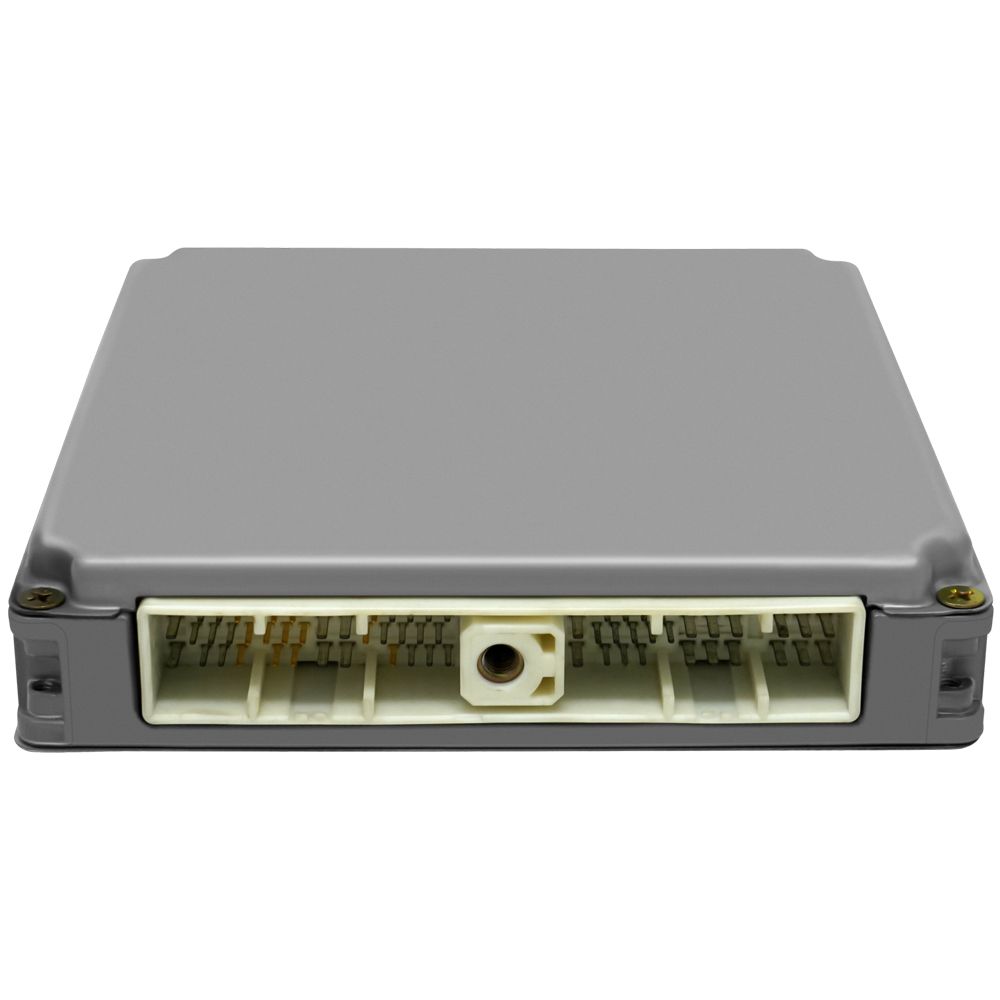
Flagship One stocks a refurbished, VIN-programmed PCM for the 1998 Nissan 240SX with a lifetime warranty, free shipping and no core charge. The full Nissan 240SX module lineup covers other engine configurations as well.
The ECM in your 1998 Nissan 240SX plays a critical role in managing engine performance, and its failure can lead to a range of drivability issues. From stalling to misfires, recognizing the symptoms early can help you avoid more serious problems down the road. If replacement becomes necessary, understanding the process—from installation to programming—ensures a smooth repair. Whether you choose to tackle the job yourself or leave it to a professional, addressing ECM issues promptly will keep your 240SX running reliably for years to come.