
Last updated on August 25th, 2026 at 01:48 pm
The Powertrain Control Module (PCM) and Engine Control Module (ECM) are the central computers that manage your Maxima’s 3.5L engine operation, including fuel delivery, ignition timing, emissions controls, and transmission shifting. Internal processor failures can occur from heat cycling, voltage spikes, or age-related degradation.
If your 2004 Nissan Maxima experiences starting problems, stalling, or runs poorly after a battery disconnect or electrical work, the PCM or ECM may be the culprit. These control modules are the brain center of your vehicle’s powertrain, and when they fail internally, diagnosis can be challenging because standard scan tools may not communicate with the module at all. This guide explains what these modules do in your specific vehicle, where they are located, the labor involved in replacement, and the reprogramming requirements that follow. You will learn the factory-recommended procedures, why the relearn process matters, and how a pre-programmed replacement can streamline your repair.
The Powertrain Control Module in your 2004 Nissan Maxima serves as the central processor for the 3.5L V6 engine and the automatic transmission. It receives input from dozens of sensors throughout the powertrain and uses that data to calculate fuel injector pulse width, ignition timing advance, variable valve timing activation, and transmission shift points in real time. Unlike older vehicles that used separate computers for engine and transmission, this integrated design allows the module to optimize shifting based on engine load conditions. When the internal processor corrupts, the module may lose its programming entirely, leaving your vehicle unable to start or run properly. The ECM portion handles emissions-related functions while the TCM portion manages gear selection, and both rely on stable voltage and clean ground connections to operate correctly. Replacement engine computers for the Maxima must be programmed with the correct VIN, calibration files, and immobilizer security data to function in your specific vehicle.
Flagship One keeps Nissan Maxima replacement engine computers in stock for exactly this failure pattern.
2004 Nissan Maxima
OEM programmed ECM for your 2004 Nissan Maxima — plug & play, no dealer visit.
Free shipping · Lifetime warranty
| Operation | Configuration | Book Time |
|---|---|---|
| Powertrain Control Module R&R | All configurations | 0.8 hr |
| Powertrain Control Module Relearn | All configurations | 0.5 hr |
| Engine Control Module R&R | All configurations | 0.8 hr |
| Engine Control Module Relearn | All configurations | 0.5 hr |
After replacing the ECM or PCM on your Maxima, the factory procedure requires a relearn session using Nissan Consult-III diagnostic software to initialize the new module and synchronize it with the vehicle’s immobilizer system. This process registers the new module’s VIN into the ECM memory and calibrates idle speed, fuel trim, and transmission adaptives to your specific engine. Without completing this relearn procedure, the vehicle may run poorly, stall at idle, or display multiple pending fault codes. Flagship One addresses this requirement by shipping their replacement units pre-programmed with your specific VIN, so the relearn procedure is significantly simplified when using one of their units. The dealer normally charges separate labor for both the R&R and the programming, but a pre-programmed exchange unit reduces the post-install workload.
Every VIN-programmed replacement unit from Flagship One arrives with these steps already completed.
A failing PCM or ECM on this generation Maxima typically presents with a no-crank condition or an intermittent no-start where the starter motor engages but the engine never fires. You may also experience random stalling shortly after startup, particularly when the engine is cold or under light load. Misfire codes such as P0300 through P0305 can set when the module loses its ability to control fuel delivery accurately. In some cases, the transmission may refuse to shift out of gear or may harsh-shift between gears because the TCM portion of the module is affected. A dead scan-tool connection where the diagnostic scanner cannot establish communication with any module is a strong indicator of internal processor failure. If your Maxima has stored trouble code P0605, which indicates an internal control module memory read-only memory error, the module likely requires replacement rather than repair.
The 2004 Nissan Maxima may exhibit module-internal diagnostic trouble codes that point directly to PCM or ECM hardware failures. These codes indicate various internal faults within the control module itself rather than sensor or wiring problems.
| Code | Meaning | Full Guide |
|---|---|---|
| P0605 | Internal ROM error | Full P0605 guide → |
Nissan has published several service bulletins addressing ECM and PCM programming for this model. Bulletin NTB09029 outlines the Consult-III ECM reprogramming procedure for various model years including the 2004 Maxima. Bulletin NTB09136 specifically covers ECM VIN registration requirements for 2005 and later vehicles, though the procedure is similar for 2004 models. Bulletin NTB11074 provides updated guidance on reprogramming using Consult-III software, ensuring technicians use the correct calibration files. These bulletins confirm that module programming is a normal part of replacement service and that Nissan dealers are equipped to perform these procedures using factory diagnostic equipment.
| Bulletin | Subject | What It Addresses |
|---|---|---|
| — | EC – ENGINE CONTROL SYSTEM: CONSULT-III ECM REPROGRAMMING PROCEDURE | — |
| — | EC – ENGINE CONTROL SYSTEM: 2005 AND LATER; ECM VIN REGISTRATION | — |
| — | EC – ENGINE CONTROL SYSTEM: REPROGRAMMING WITH CONSULT | — |
No. The PCM contains your specific VIN and immobilizer security data that must match your vehicle. A used unit from another Maxima will not start your engine without dealer-level reprogramming to transfer that security data.
You can perform the physical R&R work with basic tools, but the relearn procedure requires Consult-III software. Flagship One units arrive VIN-programmed, which simplifies this—though some shops still prefer to run a quick relearn to ensure all adaptives reset properly.
If your scan tool cannot communicate with the PCM at all, or if code P0605 is present, the module itself is likely failed. If the PCM communicates but the engine won’t start and the security light flashes, the immobilizer system may be the issue rather than the PCM hardware.
When your 2004 Maxima’s PCM or ECM fails, you have two primary repair paths: a new or refurbished unit from a dealer at significantly higher cost, or a VIN-programmed replacement from Flagship One that ships ready to install. The pre-programmed option eliminates the dealer programming step and gets your vehicle back on the road faster. Consider your budget, timeline, and whether your shop has access to Consult-III equipment for the relearn procedure when making your decision.
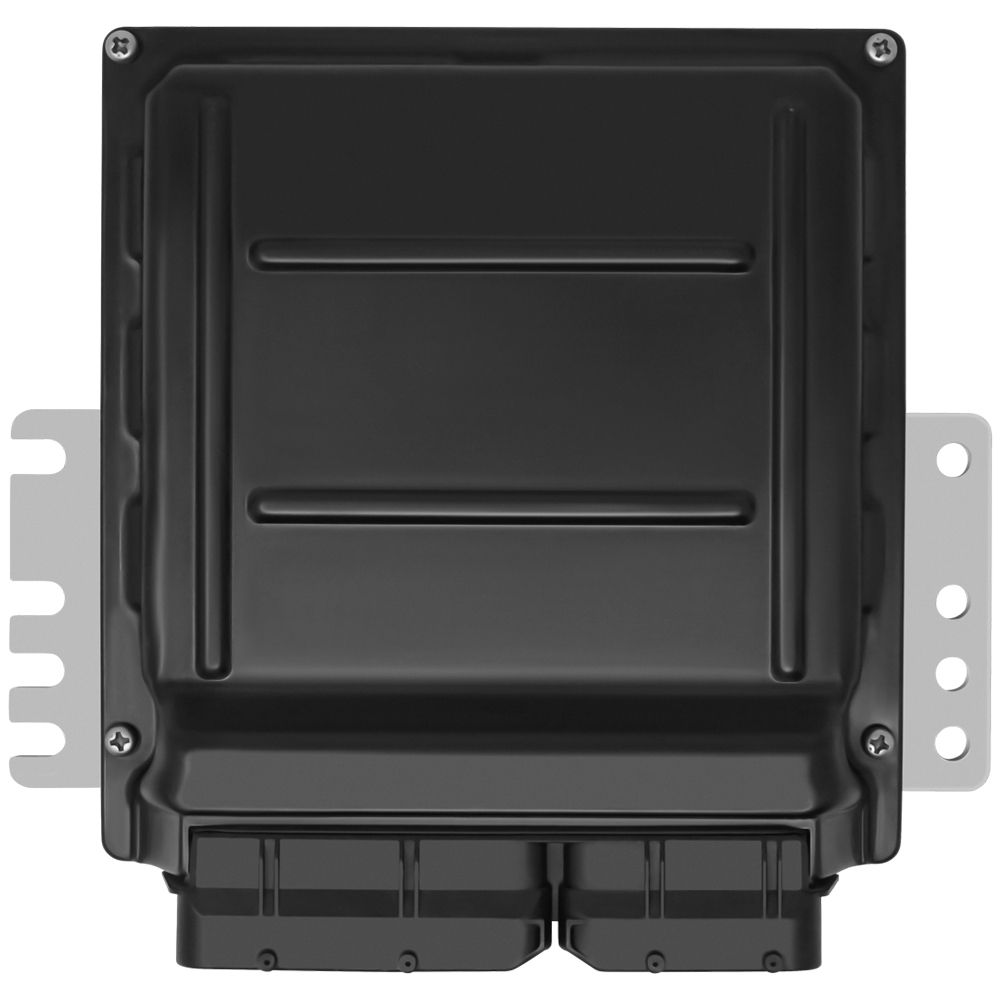
Flagship One stocks a refurbished, VIN-programmed PCM for the 2004 Nissan Maxima with a lifetime warranty, free shipping and no core charge. The full Nissan Maxima module lineup covers other engine configurations as well.
The 2004 Nissan Maxima’s PCM is a critical component that manages both engine and transmission functions, and failure typically requires replacement plus a relearn procedure. Whether you pursue dealer service or a pre-programmed exchange unit from Flagship One, understanding the labor involved and the programming requirements helps you make an informed decision and avoid surprise costs during the repair process.