
Last updated on August 25th, 2026 at 01:50 pm
The Engine Control Module in your 1995 Nissan Pickup governs fuel delivery, ignition timing, and idle speed for the 2.4L KA24DE engine. This pre-OBD-II computer processes sensor inputs to maintain air-fuel ratios and may fail from heat cycling, voltage stress, or moisture intrusion over time.
When your 1995 Nissan Pickup starts running poorly, hesitates under acceleration, or refuses to start altogether, the Engine Control Module often bears responsibility. This aging pre-OBD-II computer processes information from engine sensors and commands fuel injectors, the ignition system, and emissions controls. Unlike modern powertrain control modules, the system in your truck operates with simpler architecture and fewer diagnostic capabilities.
Understanding how this component functions, where it resides, and what replacement involves empowers you to make informed repair decisions. Whether you are currently experiencing driveability problems or preparing for a potential failure, this guide covers the essential aspects of ECM ownership for the 1995 Nissan Pickup with the 2.4L engine. You will learn about common failure patterns, replacement considerations, and why pre-programmed units from Flagship One eliminate dealer dependency for the programming step.
1995 Nissan Pickup
OEM programmed ECM for your 1995 Nissan Pickup — plug & play, no dealer visit.
Free shipping · Lifetime warranty
The Engine Control Module in your 1995 Nissan Pickup serves as the primary computer responsible for managing the 2.4L KA24DE engine’s operation. This unit continuously monitors throttle position, engine temperature, manifold absolute pressure, and crankshaft position to calculate appropriate fuel injector pulse widths and ignition timing advance. The module maintains closed-loop fuel control once the engine reaches operating temperature, adjusting mixture ratios based on oxygen sensor feedback to meet emissions targets.
This computer differs meaningfully from OBD-II systems found in vehicles from 1996 onward. Your pre-OBD-II ECM lacks standardized diagnostic trouble code storage and comprehensive freeze-frame data capabilities. The module communicates through a more rudimentary protocol, and technician access to internal data streams requires different tooling than the standardized OBD-II port found under your dashboard.
replacement engine computers for the Nissan Pickup often represent the most practical solution when internal circuitry degrades. The module’s location inside the passenger compartment or engine bay exposes it to heat cycles, vibration, and potentially corrosive moisture over decades of service. Capacitors within the module dry out, solder connections fatigue from thermal expansion, and voltage transients from charging system glitches gradually compromise reliability. When the ECM loses its programming integrity or suffers component-level failure, engine operation becomes erratic or the vehicle may not start at all.
The ECM in your 1995 Nissan Pickup typically mounts inside the passenger compartment, often beneath the dashboard on the driver’s side or behind interior panels. Some configurations may position the module within the engine bay, secured to the firewall or inner fender. Actual positioning varies by production run, so consulting a vehicle-specific repair manual provides definitive guidance for your specific truck.
Replacing this module requires removing interior trim panels, disconnecting the negative battery terminal, and carefully unplugging the electrical harness. The replacement ECM must be securely mounted using the factory mounting points, and all connectors require full engagement with audible or tactile confirmation. Once installed, you will need to route the harness correctly and ensure weather seals seat properly to prevent moisture intrusion.
Factory service documentation may specify mounting torque values for bracket hardware to prevent vibration-induced damage. The process generally involves straightforward mechanical steps, though accessing deeply buried modules may require additional disassembly of dashboard or trim components. Professional installation typically completes within a reasonable timeframe depending on module accessibility and your vehicle’s specific configuration.
After physically installing a replacement ECM in your 1995 Nissan Pickup, the factory service procedure requires programming the module with your specific vehicle identification number and potentially calibrating it to your engine’s unique characteristics. This process historically mandated a dealership visit, as Nissan programming equipment remained proprietary and unavailable to independent shops. The technician connects diagnostic equipment through the OBD-II style data link connector or manufacturer-specific port and inputs your specific VIN and vehicle specifications.
a VIN-programmed replacement unit arrives from Flagship One already configured with your vehicle’s identification information, effectively bypassing this step. The programming already completed means you can install the module and immediately proceed to verifying engine operation rather than arranging dealer appointments or waiting for programming equipment availability. This pre-configuration applies your specific calibration data before the module reaches your hands, reducing total repair time substantially compared to sourcing a blank replacement unit.
Diagnosing ECM involvement requires systematically checking sensors and circuits first. If multiple unrelated codes appear simultaneously, sensor grounds test acceptable, and wiring harness connections prove sound, the ECM itself likely requires attention. Professional diagnosis with appropriate tooling helps isolate whether the problem originates from the computer or external components.
Junkyard ECMs may work if sourced from an identical model year, engine, and transmission combination, but you would still need dealer programming to configure the VIN and calibration data. Used units also carry unknown failure risk and may already be degraded from the original vehicle’s conditions. A remanufactured or new unit with proper pre-programming typically provides more reliable long-term results.
Yes, Flagship One configures replacement ECMs with your specific 1995 Nissan Pickup VIN and calibration data before shipping. This means you can install the unit directly without arranging dealer programming appointments or acquiring proprietary programming equipment.
Intermittent operation often indicates thermal-related ECM failure where internal components function when cool but degrade as temperatures rise during extended driving. Vibration-related connection issues within the module or at the harness connector can also cause variable symptoms depending on vehicle movement and temperature conditions.
Driving with a compromised ECM introduces unpredictability ranging from minor performance deterioration to complete stall in traffic or failure to start in inconvenient locations. If driveability symptoms appear, arrange diagnosis and repair promptly rather than risking unexpected breakdowns or safety hazards from sudden power loss.
Comparing repair versus replacement options for your 1995 Nissan Pickup ECM involves weighing cost against reliability. Component-level board repair may address specific failures but carries unknown longevity risk. Refurbished exchange units typically undergo testing and repair but may arrive with pre-existing wear. New or properly refurbished replacements from established suppliers with pre-programmed VIN data offer the most straightforward path to restored operation without dealer dependency. Your specific circumstances, budget, and timeline influence which approach best serves your needs.
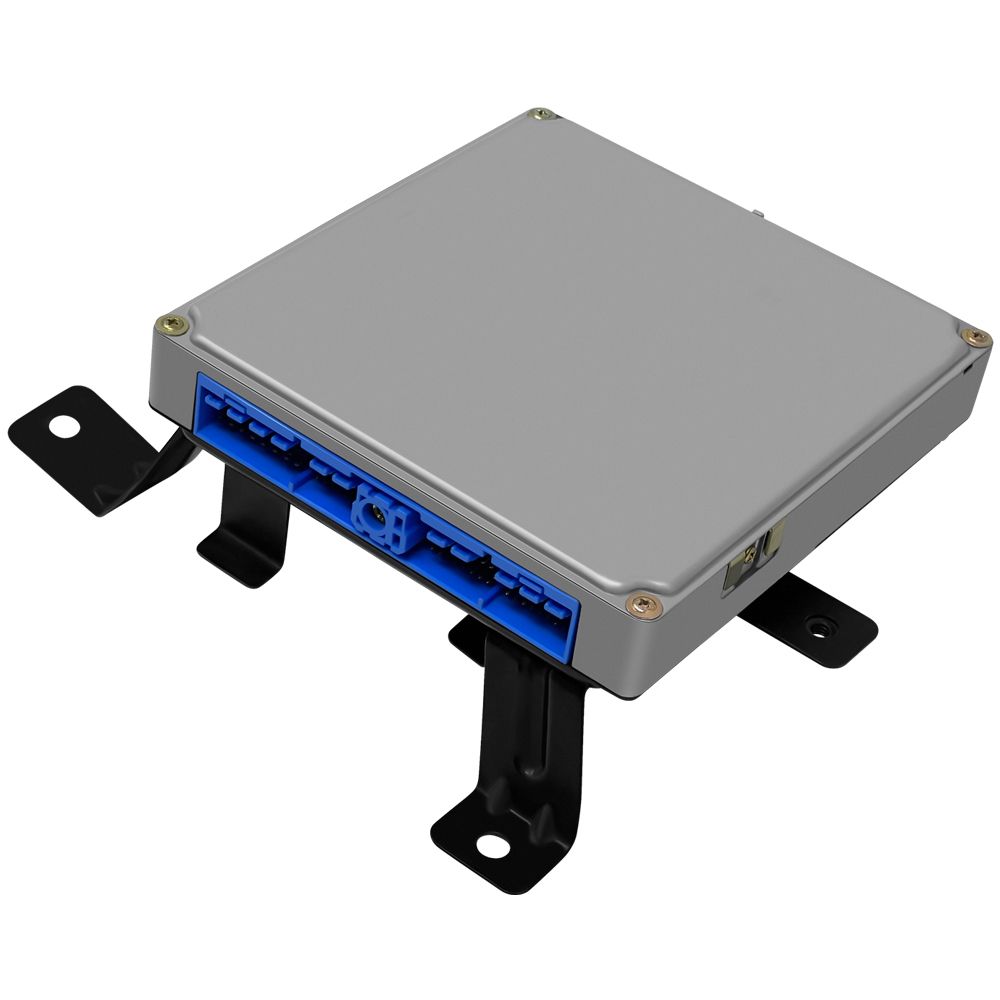
Flagship One stocks a refurbished, VIN-programmed ECM for the 1995 Nissan Pickup with a lifetime warranty, free shipping and no core charge. The full Nissan Pickup module lineup covers other engine configurations as well.
The ECM in your 1995 Nissan Pickup represents a critical control hub that degrades over decades of thermal and electrical stress. Recognizing failure symptoms, understanding replacement requirements, and knowing that programming comes pre-completed through Flagship One simplifies your repair journey considerably. Take action when symptoms appear to avoid secondary damage and get back to reliable driving in your truck.