
Last updated on August 25th, 2026 at 12:10 pm
The engine control module in your 1990 Nissan 240SX serves as the primary brain managing fuel injection and ignition timing. When this hardware fails, your vehicle typically experiences erratic idling, poor fuel economy, or a complete failure to start, often requiring a full module replacement.
Owning a 1990 Nissan 240SX often means dealing with the challenges of aging electronics. One of the most critical components in your vehicle is the engine control module, which manages the essential functions of the 2.4L engine. When this unit begins to fail, it can transform a reliable sports coupe into a vehicle that refuses to start or stalls in traffic. Understanding how this module operates and identifying the signs of its demise is the first step toward a successful repair. This guide is designed to help you navigate the complexities of ECM failure, providing a clear explanation of the symptoms you might encounter and the process of replacing the unit. By the end of this article, you will have a professional understanding of why the engine computer is vital and how a pre-programmed replacement can save you significant time and effort during the restoration process. We will cover everything from the basic function of the module to the best practices for protecting your new hardware from future electrical damage.
1990 Nissan 240SX
OEM programmed ECM for your 1990 Nissan 240SX — plug & play, no dealer visit.
Free shipping · Lifetime warranty
The engine control module is the central processing unit for your 1990 Nissan 240SX. It acts as the intermediary between the various sensors in the 2.4L engine and the actuators that control combustion. By monitoring the intake air temperature and the mass airflow sensor, the ECM determines the exact amount of fuel required for each cylinder. It also controls the timing of the spark plug fire, ensuring that the explosion occurs at the optimal point in the piston stroke. This constant adjustment is what allows the vehicle to maintain efficiency across different driving conditions. When searching for replacement engine computers for the 1990 Nissan 240SX, it is important to understand that this module is sensitive to voltage spikes and heat. If the internal logic circuits fail, the engine cannot coordinate the fuel and spark, leading to immediate performance loss. The ECM is not just a switch; it is a complex map of data that tells the engine how to behave. Without a functioning module, the 2.4L engine cannot manage its air-fuel ratio, which can lead to poor emissions and potential engine damage over time. Ensuring the module is healthy is critical for the longevity of the entire drivetrain, as it prevents the engine from running in a manner that could cause mechanical wear.
Replacing the module in your 1990 Nissan 240SX begins with ensuring the electrical system is powered down. You must disconnect the battery to prevent short circuits. Once the power is off, you can locate the computer and carefully uncouple the wiring harnesses. It is vital to inspect the pins for any signs of corrosion or bending. The unit is typically held in place by mounting bolts that must be removed carefully to avoid dropping the module. After the old unit is out, the area should be cleaned of debris before the new hardware is seated. Secure the bolts to the specified tension and reconnect the plugs firmly to ensure a solid electrical connection. Checking the wiring harness for frayed insulation or corroded pins is a critical step before installing the new module. If the connector is damaged, a new ECM may not function correctly. Ensure that the mounting area is free of moisture and debris to prevent future corrosion of the module casing.
The factory process for older engine computers often involves manual calibration and verifying the base timing of the engine. This can be a tedious process for technicians. However, Flagship One simplifies this by providing a VIN-programmed replacement unit that arrives ready for installation. This means the internal software is already matched to the specific requirements of your 1990 Nissan 240SX. You do not have to spend time on complex setup procedures or manual data entry. By eliminating the need for dealer-level programming tools, you can get your vehicle back on the road much faster. This streamlined approach ensures that the fuel and spark maps are correct from the moment you turn the key. This precision reduces the risk of poor idling or fuel inefficiency that often accompanies improperly configured modules.
A failing engine control module in your 1990 Nissan 240SX often manifests as a complete no-start condition. You might notice the engine cranking normally, but it never fires because the ECM is not triggering the fuel injectors or the ignition coils. In other cases, the vehicle may start but then stall unexpectedly after a few minutes of operation. This often happens as the module reaches a certain temperature, causing internal solder joints to expand and break the connection. You may also experience a noticeable stumble or hesitation when accelerating at higher RPMs, which can feel like a fuel delivery issue. Erratic idling is another common sign, where the engine speed fluctuates wildly without any input from the driver. Because this vehicle predates modern diagnostic ports, these issues can be difficult to pinpoint without a professional oscilloscope. You might find that the engine runs lean or rich regardless of how you tune the mechanical components. Eventually, the module may fail entirely, leaving the vehicle unresponsive to the ignition switch. These symptoms typically point to a degradation of the internal capacitors or processor failure within the ECM. Furthermore, you may notice that the vehicle fails to enter a steady state of operation, making it impossible to achieve a smooth cruise.
Yes, if the module fails to trigger the fuel pump or ignition system, the engine will crank but not start. This is a common symptom of internal processor failure.
Look for erratic idling, sudden stalling when warm, or a complete lack of spark and fuel. These symptoms often point toward a module issue rather than a mechanical failure.
While older units may require manual calibration, Flagship One provides units that arrive pre-programmed. This eliminates the need for dealer-level tools after installation.
If the idling issues are caused by a faulty internal map or failing capacitors in the module, a replacement will typically restore smooth operation.
Moisture entering the module housing can cause short circuits or corrosion on the board. This often leads to intermittent stalling or a total failure of the unit.
When deciding how to address a failing ECM in your 1990 Nissan 240SX, you have a choice between attempting a complex board repair or opting for a refurbished replacement. While repairing individual capacitors can work, a professionally refurbished unit offers a more reliable path to restoring your vehicle’s performance. Choosing a module that is already configured for your specific engine ensures a seamless installation and a quicker return to the road.
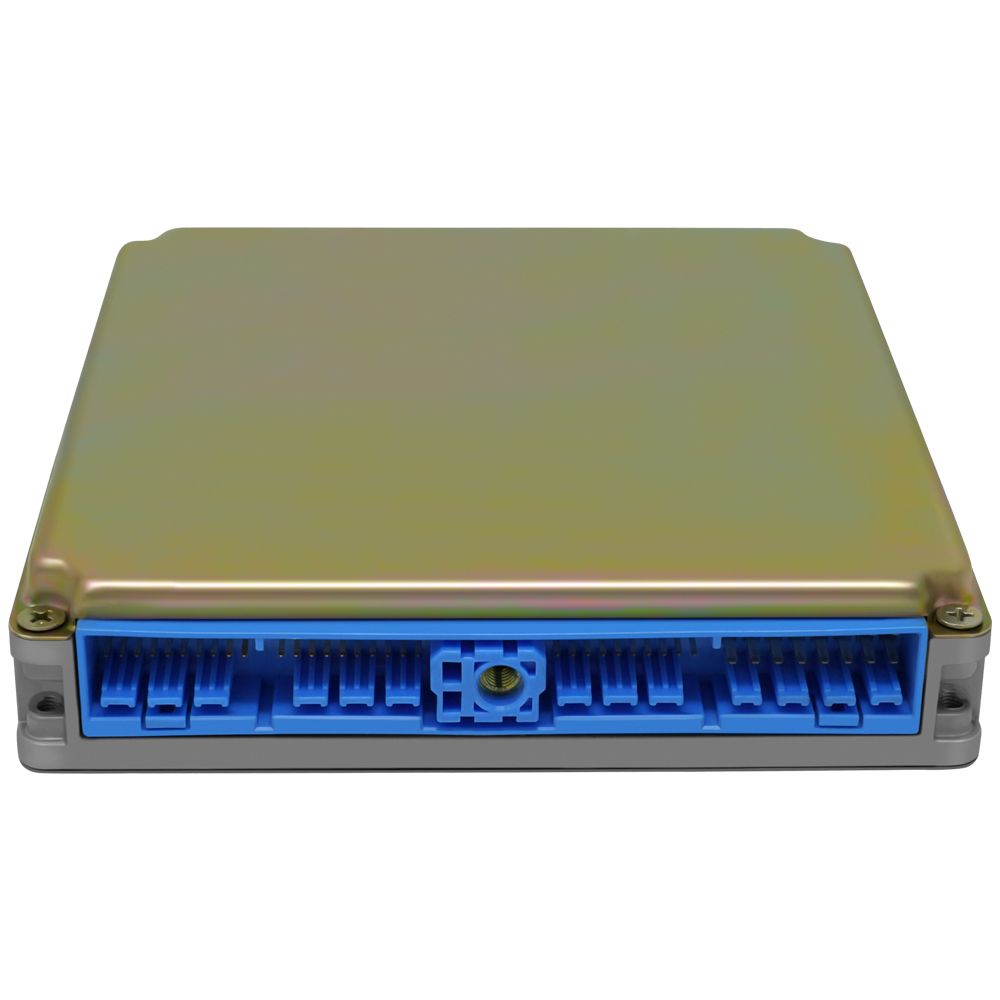
Flagship One stocks a refurbished, VIN-programmed ECM for the 1990 Nissan 240SX with a lifetime warranty, free shipping and no core charge. The full Nissan 240SX module lineup covers other engine configurations as well.
Maintaining the electrical integrity of your 1990 Nissan 240SX is essential for long-term reliability. Replacing a faulty engine control module is a straightforward way to resolve complex starting and idling issues. By focusing on quality hardware and proper installation techniques, you can ensure your vehicle continues to perform as intended. Consider exploring the available replacement options to keep your engine running smoothly.